When curated thoughtfully, modern console tables serve as both functional anchors and striking sculptural elements within a home. Whether positioned against a bare foyer wall or floated gracefully behind a living room sofa, these versatile pieces help shape traffic flow while displaying curated decor. Selecting the right piece requires balancing spatial constraints, material longevity, and your personal design aesthetic.
Defining Modern Console Table Styles for Contemporary Homes
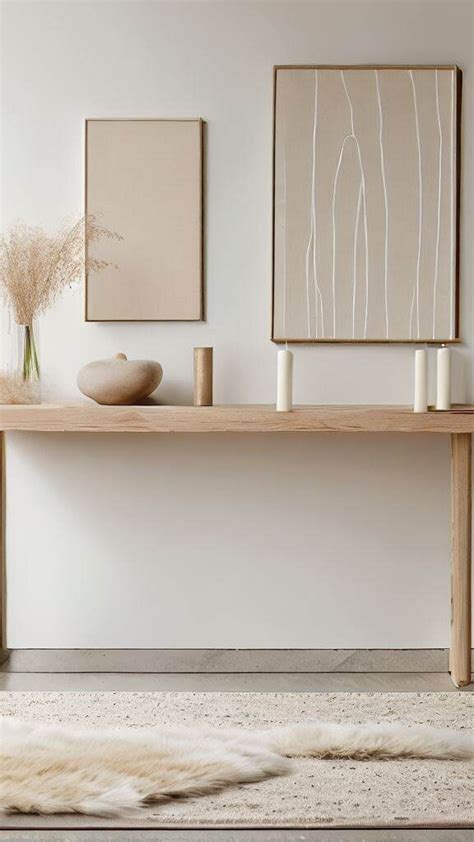
Modern design encompasses a wide spectrum of visual expressions, ranging from sleek minimalism to warm mid-century aesthetics and raw industrial forms. A minimalist console table typically features clean, unadorned lines, often pairing slender steel legs with a streamlined wooden or glass top. This approach works exceptionally well in smaller urban apartments where visual lightness prevents a room from feeling overcrowded or heavy.
On the other hand, industrial and mid-century styles introduce warmth and character through rich walnut grains, matte black iron frames, or travertine surfaces. When integrating these silhouettes into your layout, consider the existing architectural details of your space. Pairing a geometric metal frame with neutral walls creates a balanced focal point that feels intentional rather than purely decorative.
Strategic Placement: Beyond the Traditional Foyer
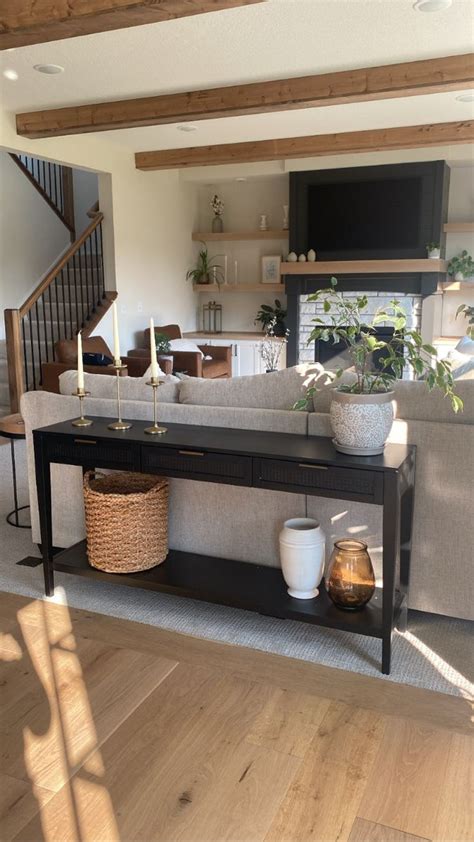
While entryways remain the classic home for a console table, modern interior layouts invite much more creative placement strategies. Placing a slender table directly behind a sectional or sofa provides a convenient drop-zone for reading lamps, beverages, and small decorative objects. This arrangement also softens the hard back of upholstered furniture, bridging the gap between open-concept living and dining areas.
Narrow transitional hallways and landings also benefit greatly from shallow-profile console tables. By selecting a depth of ten to twelve inches, you maintain safe clearance for walking paths while transforming an otherwise forgotten hallway into an artistic display gallery. Always measure your available clearance carefully, ensuring at least thirty-six inches of walking space remains unobstructed in high-traffic zones.
Selecting Durable Materials and Finishes
Material selection dictates both the physical longevity and the overall atmosphere of your console table. Solid hardwoods like oak and walnut bring organic texture and enduring durability to high-traffic areas, though they require routine maintenance and coasters to prevent water rings. Tempered glass and polished marble offer an elevated, sophisticated look that reflects light, making compact rooms feel considerably more open and airy.
Powder-coated metals and engineered composites provide high resilience against daily wear and tear, making them practical choices for busy households with children or pets. Regardless of the materials chosen, safety remains paramount; tall or top-heavy console tables should always be securely anchored to the wall studs using anti-tip hardware to prevent accidental tipping.
Artful Styling Principles for a Balanced Display
Styling a modern console table successfully relies on the principles of asymmetry, varied heights, and negative space. Avoid the temptation to crowd the surface with countless small trinkets; instead, curate a few statement objects such as a ceramic vase, a stack of art books, and a sculptural table lamp. Varying the vertical scale keeps the eye moving and prevents the arrangement from looking flat or overly rigid.
Grounding the vignette with a large mirror or framed artwork hung directly above the table establishes a cohesive focal point. Leave some surface area intentionally bare to maintain a sense of calm and breathing room, allowing the clean architectural lines of the table itself to remain visible and celebrated.
Frequently Asked Questions
What makes a console table considered modern?
Modern console tables are defined by clean geometric lines, honest materials, and functional simplicity. They often avoid heavy ornamentation, relying instead on the natural beauty of wood grain, polished stone, or sleek metal frames to create visual interest.
How do I choose the right size console table for a narrow entryway?
Measure your hallway width first, ensuring you leave at least thirty-six inches of unobstructed walking space. For tight areas, look for shallow-profile tables with a depth of ten to twelve inches that still offer enough surface area for keys and mail.
Where can modern console tables be placed other than the entryway?
They work wonderfully floated directly behind a living room sofa, positioned along empty hallway walls, or used as a slim media ledge in compact bedrooms and home offices.
How can I style a console table without making it look cluttered?
Embrace the rule of thirds by grouping objects in odd numbers, varying heights with lamps or tall vases, and leaving plenty of negative space so the tabletop remains visually light and breathable.


