A well-chosen console table acts as both an anchor and a functional workstation in a modern living space. Whether positioned directly behind a sectional sofa or set against a blank perimeter wall, this versatile furniture piece bridges the gap between everyday utility and high-end design. In many American homes, the living room serves multiple purposes, from relaxing and entertaining to hosting family game nights. Finding the ideal table requires evaluating not just visual appeal, but also physical scale, room traffic patterns, and storage demands.
Determining the Right Size and Proportion

Scale is the single most critical factor when shopping for a console table. In a standard suburban living room or a compact urban apartment, an incorrectly sized table can instantly disrupt the flow of foot traffic. As a general guideline, your console table should stand roughly at the same height as the back of your sofa—typically between 30 and 36 inches—or sit comfortably low enough to clear window sills if placed against a perimeter wall.
Length also matters significantly for visual balance. A sofa table should generally span about two-thirds to three-quarters of the overall width of the couch it accompanies, leaving a visible margin of space on either end. When evaluating depth, prioritize slim profiles ranging from 10 to 15 inches if your living area is tight on space. This ensures you maintain clear walking paths while still enjoying a surface wide enough for table lamps, framed artwork, and decorative trays.
Exploring Popular Design Styles for US Homes
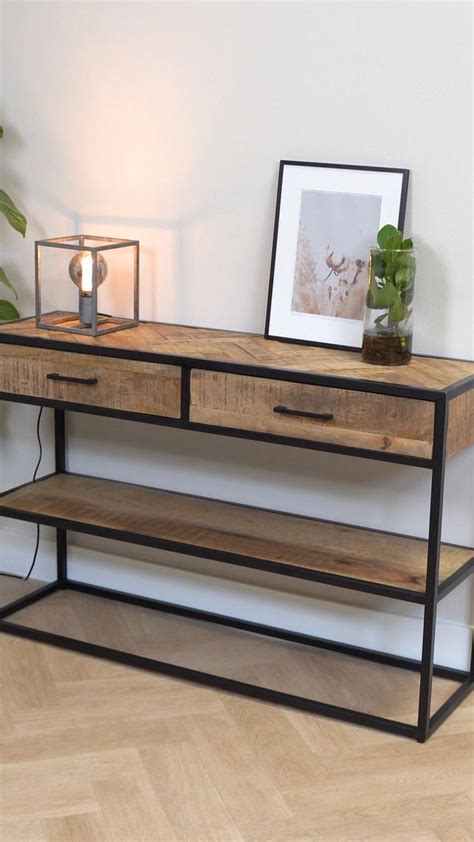
Console tables are manufactured in a vast array of materials, each suited to different interior design themes found across contemporary households. Industrial styles, featuring distressed solid wood paired with raw black iron frames, bring a grounded, earthy warmth that complements open-concept urban lofts and transitional spaces alike. They handle daily wear exceptionally well, making them durable options for busy family environments.
For modern, minimalist, or Scandinavian aesthetics, look for sleek profiles crafted from light oak, tempered glass, or matte white lacquer. These materials reflect natural light, preventing smaller living rooms from feeling visually heavy or crowded. Mid-century modern designs, characterized by tapered wooden legs and warm walnut finishes, offer a timeless appeal that pairs effortlessly with retro-inspired textiles and vibrant area rugs common in American interior styling.
Strategic Placement Ideas Beyond the Sofa
While floating a console table directly behind a sofa is a classic interior design trick that defines distinct zones in an open-concept floor plan, it is far from the only viable placement option. Positioning a narrow console against an entryway wall immediately inside the front door creates a welcoming drop-zone for keys, mail, and everyday essentials before guests step further into your primary living quarters.
Another creative placement strategy involves setting a long console beneath a large living room window or framing a blank focal wall with matching ottomans tucked underneath. This arrangement maximizes vertical wall space while providing hidden or accessible seating options when hosting gatherings. Always verify that your chosen spot allows nearby doors, drawers, and electronics cables to operate without obstruction.
A Practical Framework for Styling Your Console
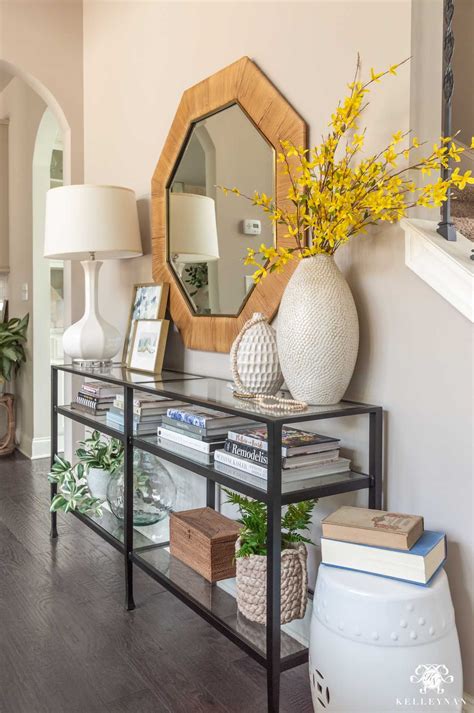
Styling a console table without letting it descend into visual clutter relies on the principle of layering heights, textures, and negative space. Start by establishing a strong foundation with asymmetrical anchor pieces, such as a tall table lamp on one side and a stacked collection of art books or a sculptural ceramic vase on the other. This prevents the display from looking rigid or overly staged.
Incorporate living elements like a trailing pothos plant or a small potted succulent to introduce organic movement and soften hard furniture lines. Finally, leave roughly thirty percent of the surface completely bare to give the eye a place to rest. By maintaining this balance, your console table will feel curated, intentional, and seamlessly integrated into your daily lifestyle.
Frequently Asked Questions
How tall should a sofa console table be?
A sofa console table should ideally match the height of your sofa’s backrest, typically ranging between 30 and 36 inches. This ensures comfortable reach and prevents awkward visual breaks when looking across the room.
Can I use a narrow entryway table in a living room?
Yes, narrow console tables with depths under 12 inches work wonderfully in living rooms with limited floor space, providing display surfaces without impeding walkways or traffic flow.
What is the best way to anchor decor on a glass console table?
Use felt pads underneath heavy objects, opt for lightweight acrylic or ceramic decor items, and group accessories into distinct trays to distribute weight evenly and prevent scratches.


