Finding the right furniture piece to anchor your living room layout often comes down to pieces that bridge visual gaps while providing everyday utility. A well-chosen sofa table can completely transform the negative space behind a floating couch or add a polished architectural element against a bare wall. When you understand how to balance height, depth, material composition, and decorative styling, you turn a simple surface into a purposeful focal point that elevates your entire interior.
Before you begin shopping or rearranging your living room, it helps to distinguish a true sofa table from a standard entryway console. While the terms are frequently used interchangeably in retail settings, traditional sofa tables are specifically proportioned to sit flush with or slightly below the back height of a couch. Console tables, conversely, are often taller and narrower, designed primarily for entryways or hallways where seating clearance is not a factor.
Determining the Right Dimensions and Placement
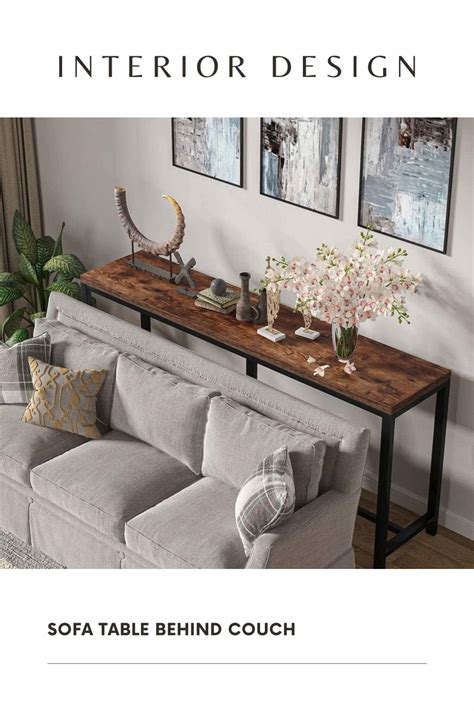
Proportion is the single most critical factor when integrating a table behind your couch. If the table stands significantly taller than the sofa back, items resting on it look awkwardly exposed and disrupt the room’s sightlines. Conversely, a table that sits much lower than the cushions risks getting lost visually and makes reaching for a task lamp or beverage inconvenient for anyone seated on the couch.
As a reliable rule of thumb, look for a table that matches the height of your sofa’s backrest or sits up to an inch lower. In standard American living room layouts, this typically translates to a height between thirty inches and thirty-six inches. Depth is equally vital; always leave at least six inches of walking clearance between the edge of the table and high-traffic pathways, or ensure the table is narrow enough so that nobody bumps into it when standing up from the sofa.
Selecting Durable Materials for Your Lifestyle
Material choice dictates both the visual weight of the furniture piece and its long-term resilience against daily wear and tear. Solid wood brings warmth, organic texture, and traditional character to a room, making it a wonderful anchor for spaces featuring plush upholstery and layered textiles. However, solid wood requires periodic dusting and careful attention to coasters to prevent water rings from hot or cold beverages.
For households with young children or pets, metal frames paired with tempered glass or durable manufactured wood offer sleek modern profiles that withstand heavy use while keeping small rooms feeling open and airy. Glass tops reflect ambient light and reduce visual clutter, though they do demand frequent wiping to keep fingerprints at bay. Consider your household habits honestly before committing to a delicate material finish.
Balancing Aesthetics and Everyday Functionality

A sofa table should never function merely as a dust trap or a surface for random clutter. Think carefully about what utility you need most from the space. If your living room lacks overhead lighting, a slim profile table provides the ideal footprint for a balanced pair of matching table lamps, instantly improving the room’s evening ambiance and reading capabilities.
Storage-oriented models featuring built-in drawers or lower shelves offer exceptional utility for smaller homes and apartments. You can use lower open shelves to house baskets for extra throw blankets, board games, or children’s toys, keeping the main living area tidy and organized. If you work from home occasionally, a narrow console can double as a temporary laptop station when pulled slightly away from the couch into the room.
Creative Styling Strategies for a Polished Finish
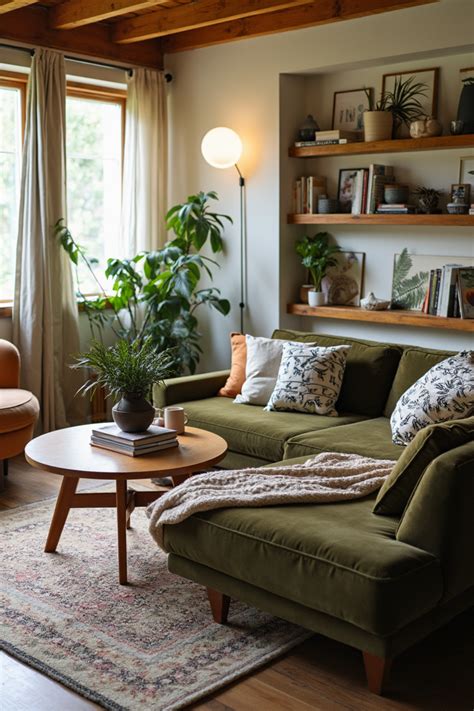
Once your furniture is securely in place, the styling phase brings your personal design vision to life. Avoid cluttering the entire length of the surface with small objects; instead, group items in uneven numbers using the rule of thirds. A classic arrangement pairs a tall table lamp on one side with a stack of curated coffee table books and a sculptural bowl or ceramic vase on the other.
Layering textures and varying heights prevents the arrangement from looking flat or uniform. Incorporate living elements such as a trailing pothos plant or a small vase of fresh seasonal foliage to introduce organic movement against rigid furniture lines. Step back frequently as you style to ensure the composition feels balanced, intentional, and harmonious with the rest of your living room decor.
Frequently Asked Questions
How high should a sofa table be relative to the couch?
An ideal sofa table should either match the exact height of your sofa’s backrest or sit up to one inch lower. This ensures a seamless visual transition and keeps items easily accessible without creating awkward sightline interruptions.
What is the difference between a console table and a sofa table?
While retailers often use the terms interchangeably, traditional sofa tables are engineered to match standard sofa heights and back lengths. Console tables are sometimes taller and narrower, designed primarily for entryways and hallways rather than resting directly behind upholstery.
How do I prevent a sofa table from looking cluttered?
Stick to the rule of thirds when arranging decor. Group items by varying heights and textures, such as pairing a tall lamp with stacked books and a decorative tray, leaving plenty of negative space open so the surface breathes.
Can I use a sofa table in a small living room?
Yes, narrow profile sofa tables work wonderfully in compact spaces, especially glass-topped or open-leg designs that do not block light or make the room feel cramped while still providing useful surface area.


