When updating a contemporary home, finding the right furniture balance is essential for achieving both visual polish and practical utility. Modern console tables serve as versatile anchors in a home, bridging the gap between decorative display space and functional surface area. Whether your interior leans toward clean minimalist lines, warm mid-century modern wood tones, or sleek industrial metal and glass, incorporating this furniture piece can transform an awkward empty wall or a floating seating arrangement into a polished design feature.
Defining Modern Console Table Styles for Contemporary Spaces
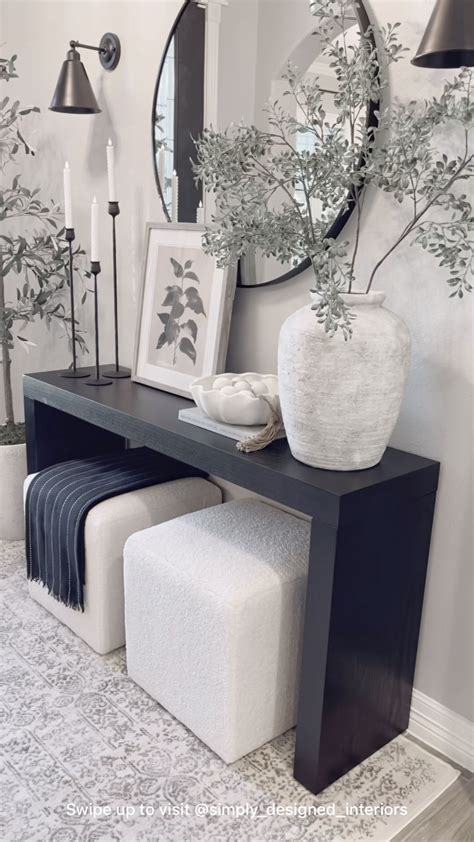
The term ‘modern’ covers a broad spectrum of design movements, each bringing distinct visual characteristics to living room furniture. Recognizing these styles helps ensure your new console table complements your existing architecture and soft furnishings rather than competing with them. Clean silhouettes, absence of heavy ornamentation, and thoughtful material pairing define this category.

Minimalist and industrial designs prioritize structural integrity and honest materials. A minimalist piece often features powder-coated steel legs paired with a streamlined walnut or white lacquer top. Industrial variants incorporate reclaimed wood and raw iron, adding rustic warmth and texture to urban apartments or suburban family rooms. Mid-century modern options emphasize tapered legs, organic wood grains, and subtle curves, while glam variations introduce polished brass, tempered glass, and faux marble surfaces.
Selecting Materials for Durability and Aesthetics
Material selection dictates both the physical longevity of the table and how light interacts with your living space. Solid woods like oak and walnut offer timeless durability and warm undertones, though they require coasters and careful cleaning. Glass and acrylic tabletops create an illusion of expansive floor space, making them ideal for compact living rooms, but they demand frequent dusting and fingerprint wiping. Metal frames provide robust stability, which is especially important in households with children or pets where sturdy construction prevents tipping hazards.
Strategic Placement in U.S. Living Room Layouts
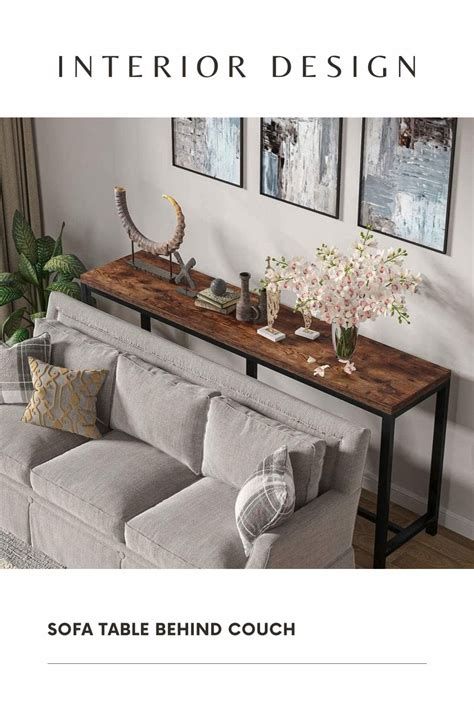
Spatial planning determines whether a console table feels integrated or merely pushed against a surface out of convenience. In many open-concept American homes, floating a sofa away from the perimeter walls creates a natural zone for a sofa table. Placing a narrow console directly behind a low-profile sectional or sofa establishes a visual barrier between living and dining areas while providing a handy spot for task lighting or a cup of coffee.
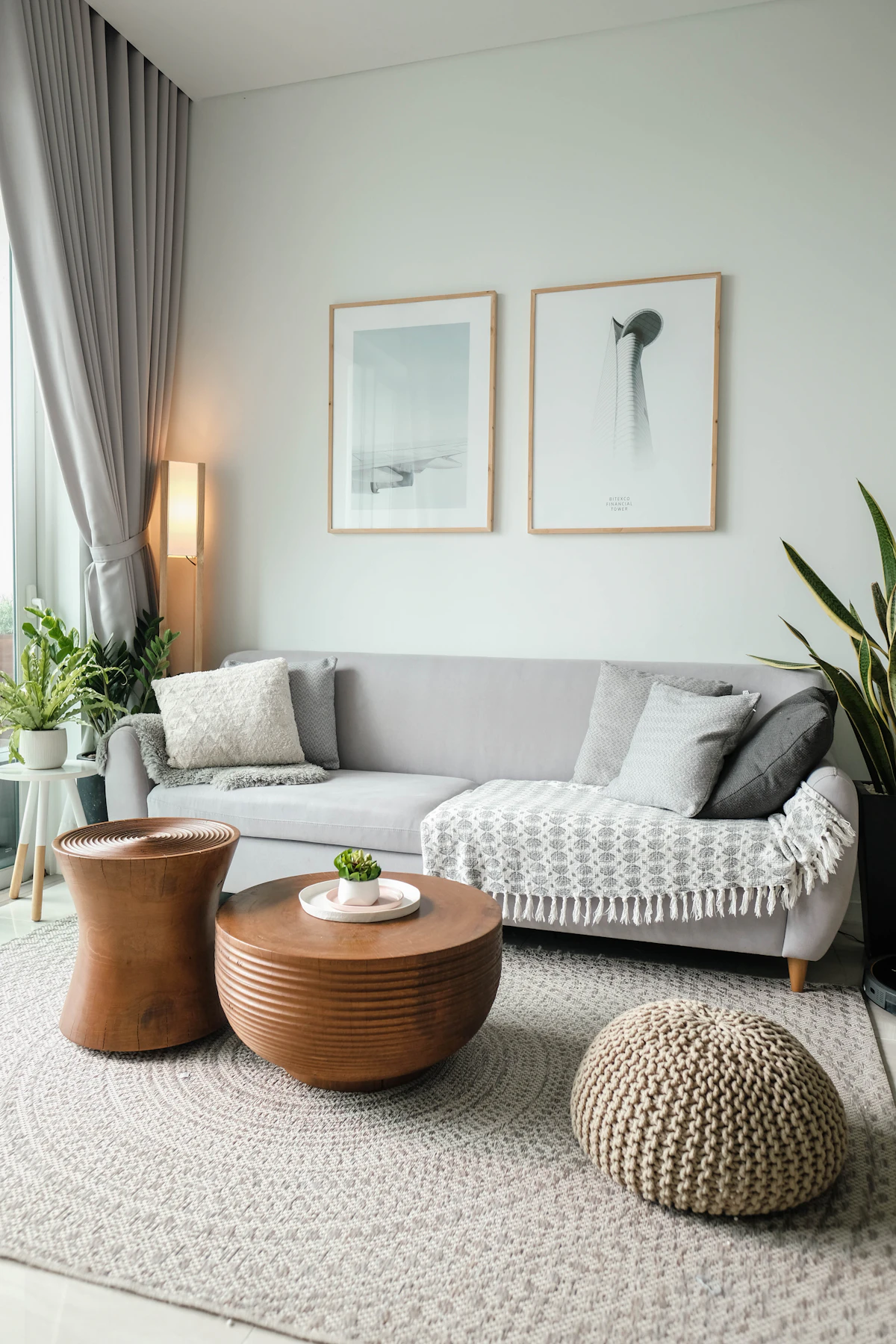
Beyond behind-the-couch placement, console tables perform exceptionally well along transitional accent walls or beneath large wall-mounted televisions. When positioning a table beneath a TV, ensure the table width exceeds the television screen dimensions by at least a few inches on each side for visual equilibrium. In narrow living room entry zones or passage areas, opt for ultra-shallow profiles measuring less than twelve inches deep to maintain clear walkways without sacrificing drop-zone utility.
Proportion and Scale Considerations
Getting the scale right prevents a console table from looking lost or overwhelming the room. Standard living room console tables generally range from 30 to 36 inches in height, closely matching the average back height of modern sofas. When measuring length, aim for a table that spans roughly two-thirds to three-quarters of the wall space or sofa back it accompanies. Leaving adequate clearance on either side prevents the arrangement from feeling cramped or blocked by adjacent side tables and armchairs.
Step-by-Step Styling Framework for a Polished Surface
Styling a console table successfully relies on balancing height, texture, and negative space to avoid clutter. Start by dividing the surface into functional visual zones. Anchor one end with a tall vertical element, such as a sculptural table lamp or a framed piece of art leaning against the wall. This breaks up the horizontal plane and immediately draws the eye upward, establishing a focal point for the arrangement.
Next, layer in objects of varying heights and organic textures in the center and opposite side. Incorporate stacked art books, a ceramic bowl for keys or small accessories, and living greenery like a trailing pothos or a structured succulent. Maintain asymmetry by grouping items in odd numbers rather than rigid pairs. Leaving deliberate empty surface space allows the eye to rest and ensures the table remains a functional landing spot rather than a chaotic storage zone.
Frequently Asked Questions
What makes a console table considered ‘modern’?
Modern console tables feature clean lines, understated silhouettes, and a focus on honest materials like steel, glass, and natural wood. They avoid ornate carvings and heavy traditional embellishments, prioritizing simplicity and function.
How high should a living room console table be?
Most standard living room console tables measure between 30 and 36 inches high. If placing the table behind a sofa, the tabletop should ideally sit flush with or slightly below the top of the sofa back.
Can I use a console table as a TV stand?
Yes, many homeowners use sturdy console tables as media stands, provided the weight capacity supports your television and electronics. Ensure the table is wider than the TV screen for proper aesthetic proportion.
How do I prevent a console table from tipping over?
To ensure safety in high-traffic living areas, always anchor tall or lightweight console tables to the wall using furniture safety straps, especially if you have children or pets.


