Choosing the right furniture ensemble for a central gathering space requires a careful assessment of physical scale, everyday lifestyle demands, and overarching interior design themes. For many American homeowners and apartment renters, matching plush comfort with reliable visual appeal can feel like a challenging balancing act. Coleman living room sets have established a distinct presence in the residential furniture market by offering coordinated seating solutions designed to address these exact needs. Whether you are outfitting a newly purchased suburban property or updating a rental apartment, understanding how these furniture sets integrate into daily life ensures a smart, lasting investment.
Evaluating a multi-piece furniture collection involves looking past initial showroom aesthetics to examine core construction, fabric resilience, and modular flexibility. This guide explores the foundational elements of Coleman living room sets, helping you determine how well their specific design profiles, tactile qualities, and spatial requirements match your household habits and aesthetic preferences.
Design Aesthetics and Visual Versatility

One of the primary considerations when selecting living room seating is how effortlessly the pieces anchor a room’s visual identity. Coleman living room sets typically favor adaptable transitional styles that bridge the gap between clean contemporary minimalism and classic American comfort. This design approach prevents the furniture from feeling tied to a single fleeting trend, making it easier to update surrounding decor elements such as area rugs, wall colors, and accent pillows over the years.
Neutral upholstery tones—ranging from charcoal and slate gray to warm beige and soft taupe—serve as the foundation for most collections. These subdued colorways allow homeowners to experiment with bolder patterns in window treatments or throws without creating visual clutter. For those favoring a more tailored look, subtle tufting, track arms, and tapered wooden feet add architectural interest while maintaining a streamlined silhouette that works well in open-concept floor plans.
Material Quality, Cushion Resilience, and Tactile Comfort
A living room is fundamentally a space for relaxation, meaning that tactile comfort and structural support are just as important as exterior appearance. Coleman living room sets generally incorporate high-density foam cushions wrapped in supportive inner-spring or webbing foundations, designed to resist sagging over extended periods of daily use. When assessing cushion resilience, it helps to consider whether your household prefers a firmer, more supportive sit or a plush, sink-in lounging experience.
Upholstery fabrics selection plays an equally vital role in everyday livability. Many sets feature tightly woven polyester blends or performance microfibers that feel soft to the touch while offering inherent resistance to everyday wear and tear. Households with young children or pets often benefit from tightly textured fabrics that conceal minor lint and simplify routine vacuuming, whereas velvet or textured chenille options introduce a touch of understated luxury to formal sitting rooms that see lighter traffic.
Spatial Planning and Scale for U.S. Living Spaces
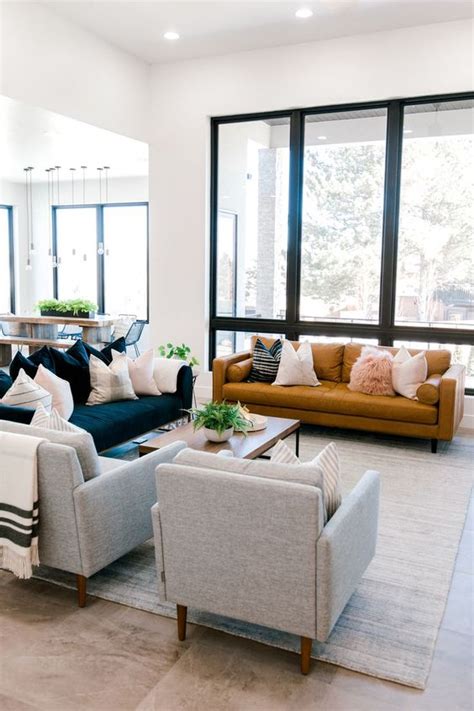
American homes and apartments vary dramatically in architectural layout, ranging from compact urban studio apartments to sprawling suburban living rooms with vaulted ceilings. Before investing in a complete living room set, careful spatial planning is essential to ensure proper traffic flow and visual balance. Coordinated sets usually include a matching sofa and loveseat, or a spacious sectional paired with an armchair, which requires measuring both the room perimeter and entry doorways.
In compact urban apartments, arranging a streamlined sofa alongside a single accent chair prevents the room from feeling overcrowded, leaving ample floor space for movement. Conversely, larger suburban layouts can accommodate sprawling sectional arrangements or matching multi-piece suites that anchor an expansive open-plan ground floor. Leaving at least thirty inches of clear walkway around primary seating pieces ensures the room remains functional and inviting for family gatherings and entertaining guests.
Care, Maintenance, and Long-Term Durability
Protecting your furniture investment requires a consistent maintenance routine tailored to the specific materials of your living room set. Regular light vacuuming using an upholstery attachment prevents dust and fine grit from settling deep into the fabric fibers, which can gradually weaken the weave. For routine spots and spills, checking the manufacturer’s cleaning code—whether water-based, solvent-only, or dry-clean—ensures you apply the correct treatment without damaging the fabric backing.
Frame integrity is another critical factor in long-term durability. Quality sets typically utilize kiln-dried hardwood or engineered wood frames reinforced at major stress joints with corner blocks and heavy-duty staples or screws. Checking that legs are securely fastened and periodically tightening hardware keeps the furniture stable, preventing unwanted wobbling or structural squeaks as the seating endures years of family movie nights and lively weekend entertaining.
Frequently Asked Questions
Are Coleman living room sets sold as complete matched packages or individual pieces?
Most offerings are curated as coordinated sets—typically combining a sofa and loveseat, or a sectional with a matching ottoman or chair—allowing you to achieve a cohesive look instantly without mixing and matching separate brands.
How do I clean and maintain fabric upholstery on these living room sets?
Always consult the specific manufacturer tag for cleaning codes. Generally, regular gentle vacuuming and immediate blotting of spills with a clean, dry cloth will keep the fabric looking fresh and prevent stains from setting.
Are these furniture sets appropriate for homes with pets?
Many collections feature tight-weave performance fabrics that resist snagging from claws and make pet hair easier to remove. However, households with heavy-shedding pets should still look for specific tightly-woven or microfiber options rather than loose chenille.
What is the typical delivery and assembly process for living room sets ordered online?
Large furniture items usually arrive via freight delivery. While sofas and sectionals often arrive mostly assembled, you may need to attach wooden feet or connect sectional brackets upon unboxing.


