Designing a welcoming living room starts with choosing foundational furniture that balances visual appeal with daily functionality. When exploring options from major regional retailers like Raymour & Flanigan, homeowners frequently encounter pre-matched furniture packages that promise instant coordination. However, transforming a matching set into a personalized, cohesive sanctuary requires careful attention to room scale, lifestyle demands, and overarching interior design principles.
Whether you reside in a compact suburban apartment or an expansive open-concept modern farmhouse, selecting the right configuration dictates how comfortably your household and guests can move through the space. By evaluating spatial dimensions, upholstery durability, and how individual anchor pieces interact, you can curate a living area that feels intentionally styled rather than ordered straight from a showroom floor.
Understanding Your Living Room Layout and Scale
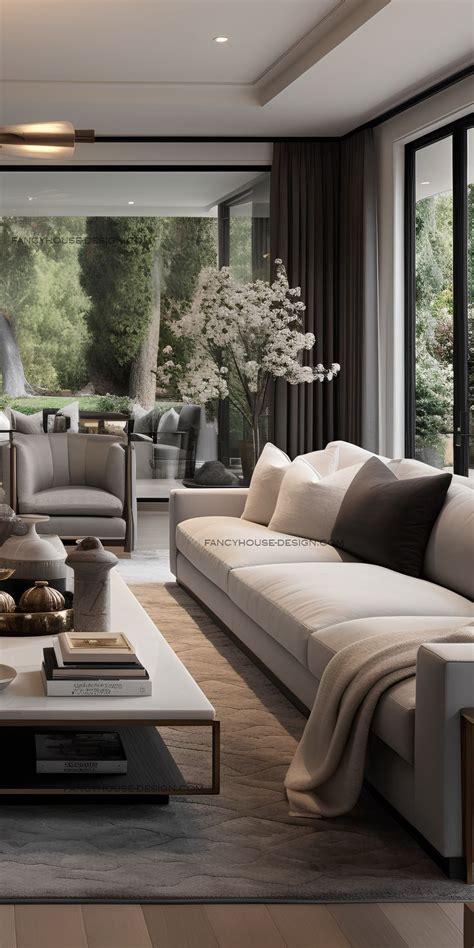
Before committing to a multi-piece furniture collection, accurate spatial planning is essential to prevent overcrowding or awkward traffic flows. Standard American living rooms vary wildly, ranging from narrow urban townhome footprints to sprawling suburban great rooms with vaulted ceilings. Measuring the perimeter walls, noting window placements, and identifying natural pathways will immediately clarify whether a traditional sofa-and-loveseat combination or a sprawling sectional is your best option.
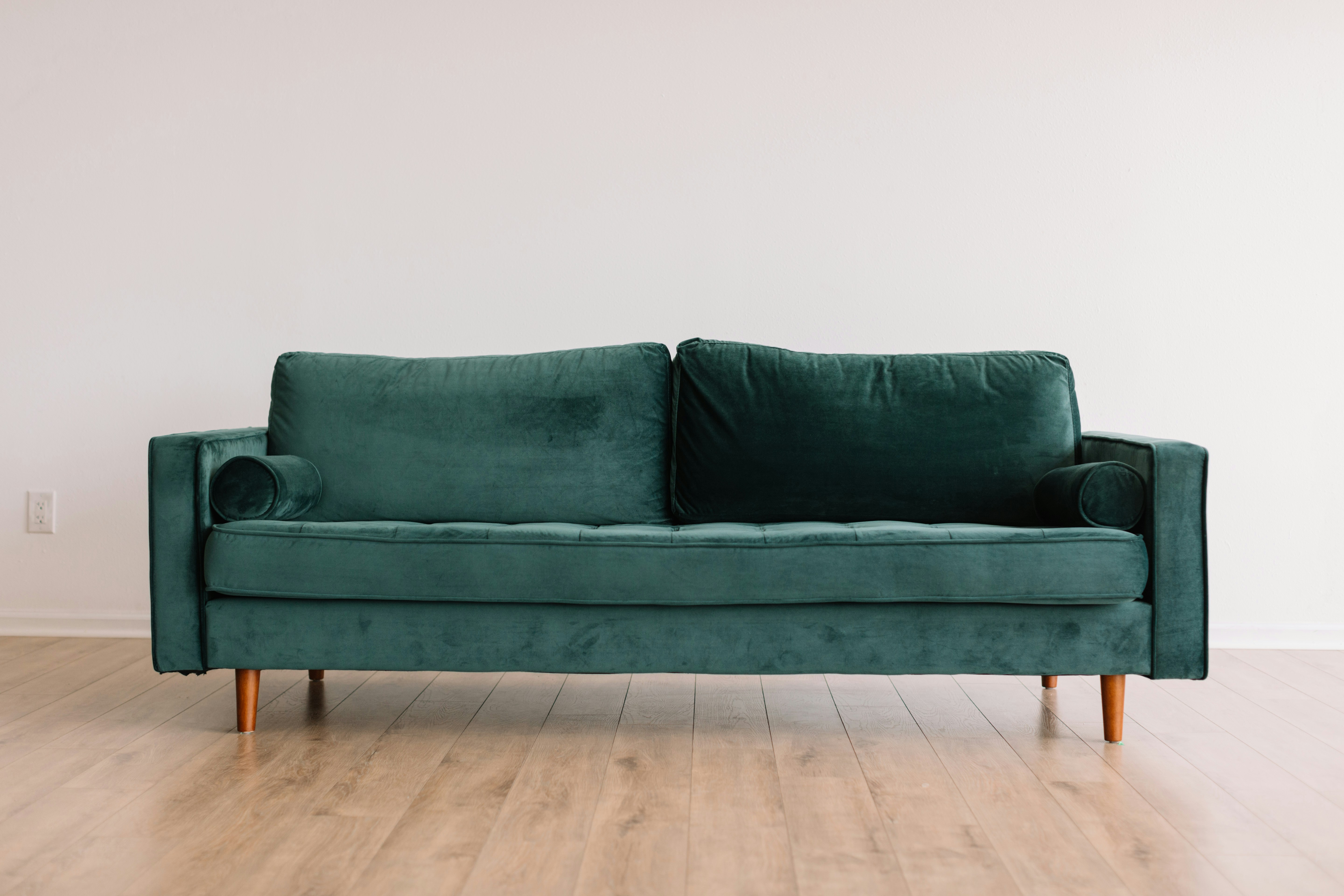
For smaller footprints, choosing furniture with elevated legs creates a sense of visual lightness by allowing light to pass underneath the pieces. Conversely, larger open-concept layouts often benefit from substantial, deep-seated sectional configurations that naturally zone an expansive area into an intimate conversation pit. Always use painter’s tape on your floor to outline the exact footprint of prospective furniture sets before making a final purchase, ensuring comfortable clearance around coffee tables and media consoles.
Balancing Style Archetypes: Modern, Traditional, and Transitional
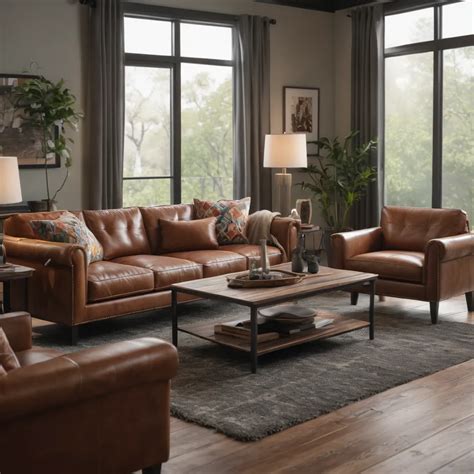
Raymour & Flanigan collections generally span several distinct design categories, making it easier to match your existing architectural environment. Traditional living room sets typically feature rolled arms, classic wood trim, and richer upholstery tones that anchor formal spaces. Modern collections lean toward clean geometric lines, low-profile silhouettes, and neutral colorways that emphasize architectural simplicity and minimalist comfort.
For households that prefer a balanced aesthetic, transitional living room sets bridge the gap between classic comfort and contemporary clean lines. These versatile packages often incorporate tailored track arms, subtle tufting, and adaptable neutral fabrics that easily accept seasonal throw pillows and textured blankets. Selecting a transitional base allows your living room to evolve gracefully even if you decide to change your wall color or area rugs down the line.
Selecting Durable Upholstery for High-Traffic Households
Aesthetics matter, but durability remains the ultimate deciding factor for families with children, pets, or frequent entertainers. High-traffic living rooms demand performance fabrics that resist stains, repel moisture, and withstand daily wear without pilling or sagging. Woven synthetic blends, microfiber, and tightly treated performance chenille offer exceptional resilience while maintaining a soft, inviting handfeel.
Leather and high-grade performance faux leather present another practical alternative, particularly for allergy-conscious households, as they do not trap dust mites and wipe clean effortlessly. When evaluating upholstery options within pre-packaged sets, inspect the frame construction and cushion density underneath the fabric. Kiln-dried hardwood frames combined with high-resiliency foam cushions ensure that your living room investment maintains its structural integrity and supportive comfort for years to come.
Personalizing Pre-Matched Furniture Sets
One common hesitation regarding pre-matched furniture sets is the risk of creating a showroom-stiff environment devoid of personal character. To avoid this uniform look, use textural layering and strategic accent pieces to break up matching upholstery packages. Introduce a contrasting coffee table made of reclaimed wood or brushed metal rather than matching the exact wood finish of your side tables.
Layering textiles is another effective method for injecting personality into standardized furniture collections. Combine patterned throw pillows, chunky knit blankets, and woven floor poufs that complement your color palette while adding organic depth. Incorporating unique vintage accessories, framed art, and statement lighting will effortlessly ground your coordinated seating arrangement into a deeply personalized home environment.
Frequently Asked Questions
What types of living room sets are typically available?
Retailers generally offer sofa and loveseat pairings, complete three-piece living room packages including matching coffee and end tables, modular sectionals, and comprehensive suites featuring accent chairs and ottomans.
How do I ensure a large furniture set will fit through my doorways?
Always review the product dimensions and diagonal depth specifications provided by the retailer. Measure your entryways, hallways, and stairwells beforehand, and consider modular or sectional designs that offer easier maneuverability.
Are performance fabrics easy to clean for pet owners?
Yes, modern performance fabrics are engineered with stain-resistant technology that prevents liquids from penetrating the fibers, allowing most everyday spills and pet hair to be easily wiped or vacuumed away.
Can I mix different wood finishes with a matching furniture set?
Mixing wood tones adds warmth and eclectic character to a room. To keep the space grounded, try to maintain a cohesive undertone—either warm or cool—across your wooden accent pieces.


