Designing a welcoming living room starts with the foundational seating arrangement. Selecting the right combination of comfy couches and loveseats can completely transform how your space feels and functions, whether you are hosting weekend gatherings or relaxing after a long workday. Modern American homes often require furniture that bridges the gap between plush, sink-in comfort and clean architectural lines. By understanding how scale, upholstery fabrics, and spatial layouts interact, you can curate a balanced environment that looks intentional while offering exceptional daily comfort.
Successfully pairing these two primary furniture pieces involves more than just picking matching colors from a showroom floor. It requires evaluating the physical proportions of your room, anticipating traffic patterns, and choosing construction materials that stand up to real life. The following comprehensive guide explores practical strategies for assessing your layout, selecting resilient fabrics, and balancing cohesive styles to achieve a polished, livable interior.
Assessing Living Room Size and Layout
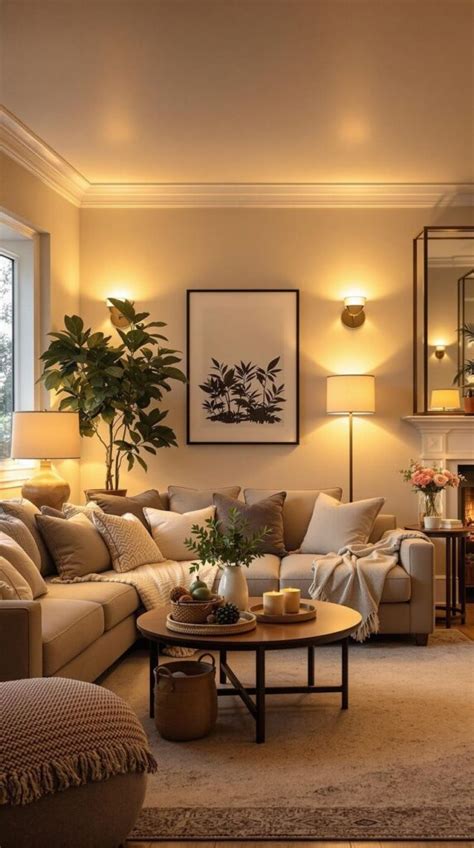
Before browsing furniture catalogs or falling in love with a specific upholstery fabric, you must take careful stock of your living room’s actual dimensions. Mapping out the perimeter, accounting for architectural features like fireplaces or large windows, and noting entryways ensures that your new couch and loveseat will not overwhelm the floor plan. In many contemporary U.S. homes, living spaces flow directly into dining areas or kitchens, making spatial definition critical.
When positioning a standard sofa alongside a complementary loveseat, maintaining an open flow of movement is essential. A common mistake is pushing all seating directly against the walls, which can create a cavernous, disconnected center. Instead, floating the couch slightly inward or establishing an L-shaped configuration often yields a more intimate conversation area. Always leave at least thirty inches of clear walking space around high-traffic pathways to keep the room feeling breathable and accessible.
Selecting Durable and Comfortable Upholstery Materials
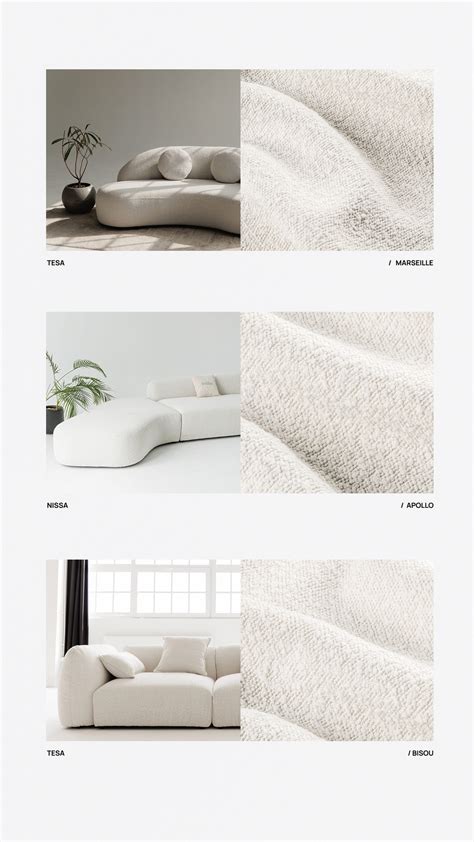
Comfort originates from both internal cushion construction and external tactile fabrics. High-density foam cores wrapped in down-alternative fibers or feather blends typically offer the ideal balance of supportive resilience and soft cushioning. However, the fabric exterior determines how that comfort holds up to everyday wear, pets, children, and accidental spills.
Performance wovens, tightly textured linens, and heavy-duty synthetic blends have become popular choices for high-traffic American households because they resist staining and wear down slowly. If you prefer a luxurious aesthetic, performance velvets provide deep color saturation and a soft hand-feel while maintaining cleanability. Leather remains a timeless alternative, offering natural temperature regulation and easy wipe-down maintenance, though it requires occasional conditioning to prevent drying in climate-controlled interiors.
Styling Strategies: Matching Versus Mixed Textures
Deciding whether to buy a matching sofa and loveseat set or to mix distinct pieces is one of the most defining design choices you will make. Matching sets deliver an instant sense of symmetry and formal polish, which works exceptionally well in traditional or transitional living rooms. This approach eliminates guesswork regarding color harmony and scale, creating a streamlined, unified visual statement.
Conversely, mixing and matching textures and silhouettes injects personality and curated depth into modern or eclectic spaces. You might pair a neutral tailored sofa with a loveseat upholstered in a subtle geometric pattern or a contrasting color family. To pull disparate pieces together successfully, anchor them with a shared element, such as matching wooden legs, complementary throw pillow palettes, or a unifying area rug that ties the conversation zone together.
Frequently Asked Questions
How do I choose the right size couch and loveseat for my living room?
Begin by measuring your total available floor space and mapping out traffic paths. Ensure that the combined length of the couch and loveseat leaves adequate clearance around doors, windows, and walkways. A helpful rule of thumb is that your seating should occupy roughly two-thirds of the main wall it faces, leaving breathing room on either side for end tables or floor lamps.
What are the most durable and comfortable fabrics for everyday use?
Performance synthetic blends, heavy-textured cotton-linen weaves, and high-grade performance velvet are among the top choices for durability and comfort. These materials resist everyday abrasion, handle spot-cleaning effectively, and maintain their structural softness over years of regular use without piling or fading quickly.
Should I match my couch and loveseat or mix and match styles?
Matching sets offer a cohesive, traditional look that simplifies interior planning. Mixing and matching styles allows for a more personalized, designer-curated aesthetic. If you mix pieces, maintain balance by keeping either the color family, leg finish, or silhouette profile somewhat consistent so the room feels intentional rather than cluttered.
How do I arrange a sofa and loveseat in an open-concept U.S. home?
In open-concept layouts, use the backs of your couch and loveseat to subtly zone the living space away from adjoining dining or kitchen areas. Arrange them in an L-shape or opposite one another, grounded by a large area rug, to create a defined, cozy conversational island within the larger open architecture.


