Furnishing a living room in the United States on a strict budget requires a careful balance between upfront savings and long-term durability. Whether you are moving into your first apartment or refreshing a family home, the market offers countless low-cost options. However, navigating the vast array of choices without sacrificing visual appeal or structural integrity demands a strategic approach to spending.
By prioritizing the right foundational pieces, understanding construction specifications, and knowing where to shop within the American retail landscape, you can create a comfortable, polished gathering space. Smart purchasing decisions also involve accounting for hidden costs like freight delivery and flat-pack assembly, ensuring your budget stays intact from checkout to room placement.
Prioritizing Core Living Room Investments
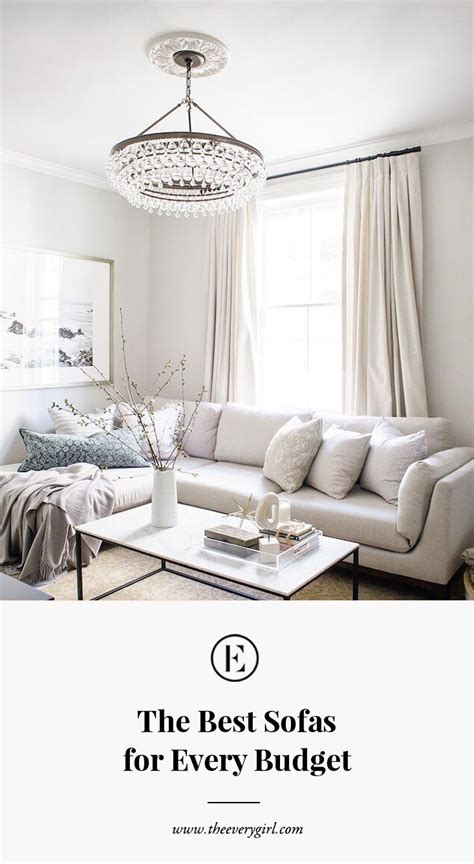
When starting from scratch with limited funds, attempting to purchase an entire matching room set can quickly drain your wallet while leaving your space feeling generic. Instead, allocate the majority of your budget toward your room’s absolute anchor: a comfortable, reliable couch. A well-chosen seating option dictates the comfort level and functional flow of the entire room, making it the one area where skimping on quality creates immediate regret.
Once your seating is secured, prioritize secondary pieces like media consoles and accent chairs based on your daily lifestyle needs. If you work from home or host frequently, a sturdy coffee table with hidden storage offers better practical value than a purely decorative glass surface. Spreading your expenditures across versatile, high-impact items rather than filling every corner at once prevents clutter and keeps your initial financial layout manageable.
Spotting Durable Materials on a Budget
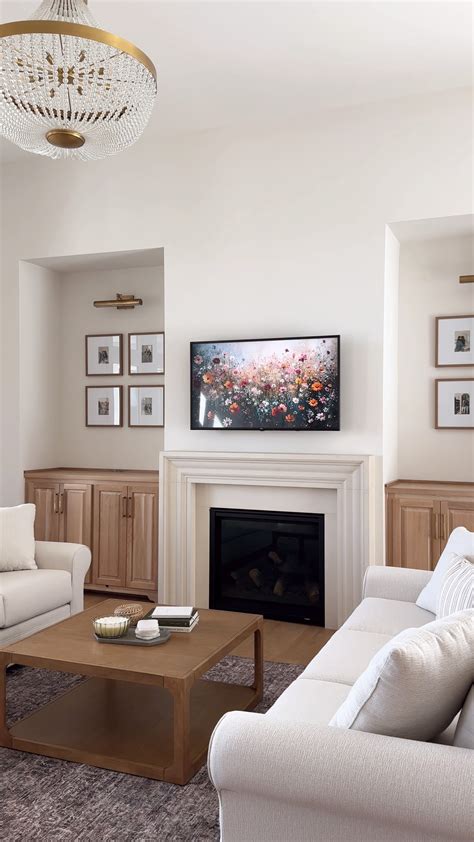
Affordable furniture often relies on engineered wood, particleboard, or synthetic fabrics to keep retail prices accessible to everyday shoppers. When evaluating online or showroom product descriptions, look for solid wood frames in high-stress areas like sofa legs and structural joints, even if the exterior panels use veneers. For upholstered pieces, high-density foam cushions maintain their shape significantly longer than low-cost polyfoam alternatives that sag within months of regular use.
Fabric choice is another critical factor when balancing cost and longevity in high-traffic American households. Performance microfiber, tightly woven polyester blends, and heavy cotton canvases resist staining and wear much better than delicate linens or loose-weave textures. Reading technical specifications carefully helps you separate cheaply manufactured items from genuinely smart, durable furniture investments that will endure daily life.
Smart Sourcing and Logistics in the U.S. Market
The American furniture market spans large-scale big-box retailers, direct-to-consumer online brands, and local liquidators, each presenting unique logistical trade-offs. While online-only retailers frequently advertise enticingly low prices, shoppers must always factor in shipping surcharges, heavy freight fees, and the physical labor of DIY assembly. Weighing these convenience factors against local warehouse pickup options can reveal significant hidden savings.
Clearance centers, outlet stores, and floor-model sales represent goldmines for acquiring mid-tier furniture brands at entry-level prices. Inspecting items in person at a local showroom allows you to test cushion firmness and check drawer slides firsthand, mitigating the risks associated with ordering sight-unseen. Patience and flexibility regarding color options or delivery timelines often yield the best bargains in retail.
Elevating Inexpensive Furniture Through Styling
An affordable room setup often lacks architectural character, but you can easily bridge the gap between low-cost items and a high-end aesthetic through thoughtful styling. Introduce varied textures such as chunky knit throw blankets, linen-blend pillow covers, and woven jute rugs to distract the eye from mass-produced surfaces. Layering textiles adds immediate warmth and visual depth that transforms plain, budget-friendly seating into a sophisticated focal point.
Upgrading minor hardware details also provides an effortless way to customize flat-pack dressers, media cabinets, or side tables. Swapping out standard factory knobs or pulls for brushed brass, matte black, or ceramic alternatives instantly personalizes generic pieces. Combined with strategic lighting—such as warm floor lamps and targeted task lighting—these simple cosmetic adjustments elevate your entire living room without requiring a major financial commitment.
Frequently Asked Questions
What are the most reliable affordable furniture retailers in the U.S.?
Reliable budget options in the U.S. include major big-box stores like Target and IKEA, direct-to-consumer brands specializing in compact spaces, and local clearance or outlet centers. Always check return policies and warranty terms before purchasing.
How can I make inexpensive furniture look more expensive?
You can elevate budget furniture by upgrading hardware like handles and knobs, layering rich textiles such as wool throws and linen pillows, and styling surfaces with books and decorative trays to create visual interest.
Is flat-pack furniture durable enough for everyday use?
Many flat-pack pieces offer decent longevity if they are assembled carefully using wood glue on dowels for extra stability. Avoid overloading shelves and check weight limits to ensure the materials withstand daily wear.
What should I look for when buying a budget sofa?
Focus on kiln-dried hardwood or reinforced frame construction, sinuous steel spring suspensions, and high-density foam cushions. These structural components prevent sagging and ensure the sofa remains comfortable over time.


