Creating a stylish and functional living space does not require an unlimited budget or a complete architectural overhaul. By focusing on smart home decor solutions and choosing versatile, affordable furniture, homeowners and renters alike can transform their rooms into cohesive, comfortable environments. The secret lies in understanding how to evaluate pieces based on utility, scale, and long-term durability rather than buying items simply because they carry a steep price tag. Whether you are outfitting a newly purchased house or refreshing a compact rental apartment, strategic planning helps your money go significantly further.
When shopping at accessible, value-driven furniture destinations, the sheer volume of choices can feel overwhelming. Establishing a clear room-by-room strategy prevents impulsive purchases and ensures every dollar supports your lifestyle needs. Below, we explore practical design strategies and multi-functional furniture ideas that elevate your home’s aesthetic while maintaining strict financial discipline.
Maximizing Living Room Functionality on a Budget
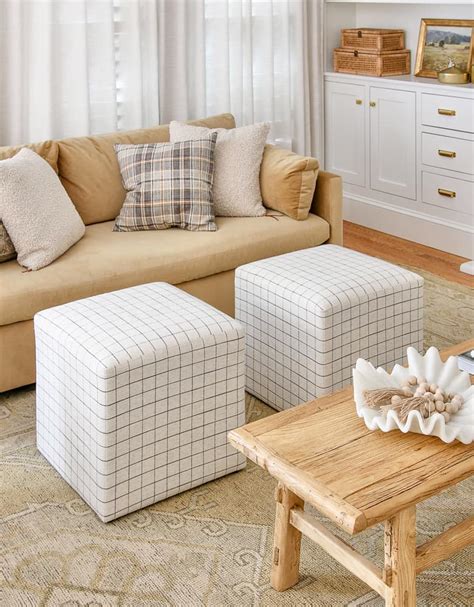
The living room is typically the central hub of any home, making it the most important zone to optimize for both comfort and visual appeal. To make a compact or moderately sized living room feel open and intentional, prioritize furniture that serves multiple purposes. Convertible sectionals with hidden storage chaises or coffee tables equipped with lift-tops are exceptional investments that keep clutter out of sight while offering everyday practicality.

When selecting seating, look for neutral upholstery fabrics like textured performance weaves or durable microfiber. These materials withstand daily wear and tear while providing a clean canvas that easily accommodates seasonal accent pillows and budget-friendly throw blankets. Pairing a streamlined sofa with nesting tables instead of a massive coffee table creates visual breathing room, allowing light to flow freely across the floor and making the entire space feel larger and more expensive.
Affordable Bedroom Storage and Aesthetic Upgrades
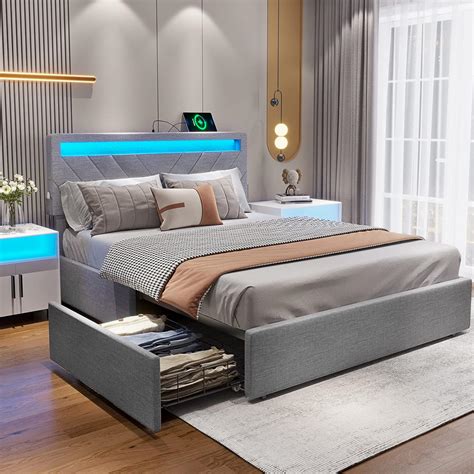
Bedrooms should act as calm sanctuaries, but clutter can quickly disrupt that relaxing atmosphere. Achieving a tidy, high-end look without custom built-ins starts with clever furniture selection. Platform beds featuring built-in under-bed drawers eliminate the need for bulky auxiliary dressers, preserving precious floor space in smaller bedrooms while providing ample storage for seasonal linens and out-of-season clothing.
To elevate the room’s overall aesthetic without inflating your spending, focus on lighting and textile layering. Instead of matching bedroom sets entirely, mix a budget-friendly upholstered headboard with sleek wooden nightstands to create curated visual interest. Introduce warm ambient lighting through affordable bedside sconces or ceramic table lamps, which instantly softens the room and adds a touch of sophistication that overhead fixtures alone simply cannot achieve.
Smart Dining and Kitchen Nook Optimization
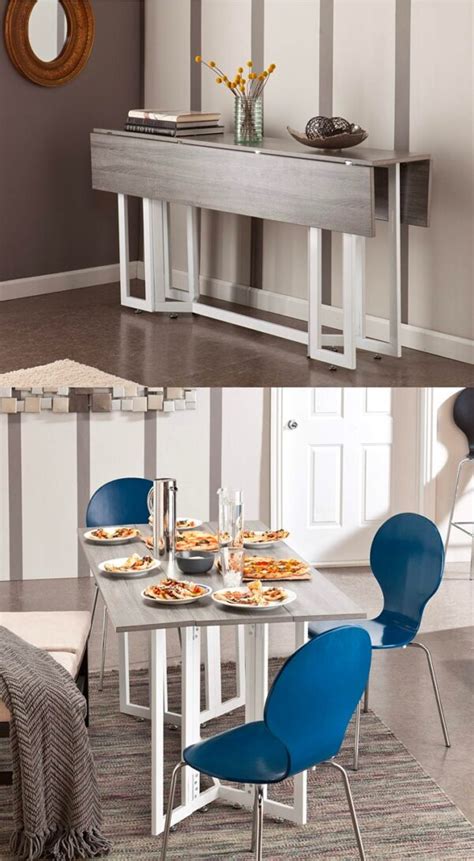
Dining spaces often present unique spatial challenges, particularly in open-concept homes or urban apartments where square footage is at a premium. Drop-leaf tables and extendable dining sets offer remarkable flexibility, allowing you to easily scale your seating capacity up for weekend dinner parties and down during the week to free up walking space. Pairing these tables with lightweight, stackable chairs or a storage bench provides additional seating options that can be tucked away when not in use.
In smaller kitchen breakfast nooks, built-in banquette seating or a compact counter-height pub table with backless stools creates an efficient zone for casual morning meals. You can enhance the dining area’s visual appeal by hanging a single oversized piece of abstract art or installing an affordable plug-in pendant light directly above the table. These straightforward styling choices draw the eye upward and anchor the dining zone, giving it a custom, designer feel on a modest retail budget.
Budget-Friendly Home Office Setups That Work
As remote work and hybrid schedules remain a permanent fixture of modern life, creating a dedicated, ergonomic workspace at home is essential for daily productivity. You do not need an entire spare room to establish an effective office; a quiet corner in a bedroom or living area can easily accommodate a streamlined writing desk with built-in cord management slots. Look for desks with shallow drawers or integrated shelving units that keep laptops, notebooks, and chargers neatly organized at the end of the workday.
Comfort should never be compromised when assembling a budget workspace. Invest the majority of your office budget into a supportive, adjustable task chair that promotes proper posture during long hours of computer work. Complement the setup with a simple desk lamp, a functional corkboard or metal grid for important notes, and a single houseplant to introduce natural texture and vitality to your daily routine.
Frequently Asked Questions
What should I look for when buying affordable furniture?
Prioritize solid wood or reinforced metal frames over particle board when possible, check weight capacities, and choose neutral fabrics that adapt to changing decor trends over time.
How can I make inexpensive furniture look more high-end?
Upgrade standard hardware like drawer pulls and cabinet knobs with distinctive brass, matte black, or ceramic options, and style surfaces with curated trays, books, and lamps.
What is the best way to lay out furniture in a small room?
Keep pathways clear by floating furniture slightly away from walls rather than squeezing everything into corners, and utilize vertical wall space for shelving to keep floors uncluttered.
How do I mix different wood tones in a room successfully?
Stick to two or three complementary wood tones, ensuring one dominates, and use textiles or rugs to bridge contrasting finishes visually.


