Gray tile has firmly established itself as a cornerstone of contemporary American interior design. Far from being a passing fad, gray offers a versatile, neutral foundation that complements both minimalist and maximalist design palettes. Whether you are planning a complete kitchen overhaul or updating a modest powder room, incorporating gray tiles can instantly elevate your home’s aesthetic.
However, styling gray tiles effectively requires careful consideration of lighting, room size, and material finishes. Without the right balance, gray spaces can sometimes feel stark or cold. By strategically combining different shades, textures, and accent materials, you can create spaces that feel both thoroughly modern and wonderfully inviting.
Foundation and Flooring Concepts
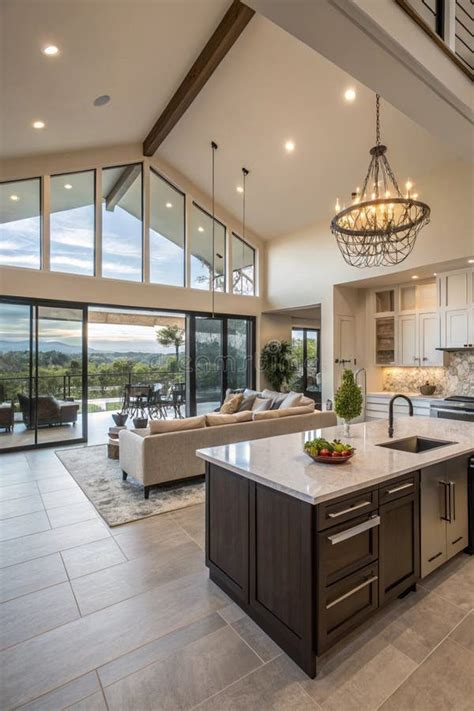
Large-format concrete-look floor tiles provide an expansive, seamless appearance that works exceptionally well in open-concept American living spaces and spacious kitchens. Because these tiles minimize grout lines, they create an uninterrupted visual flow that makes rooms feel larger and brighter. Paired with warm white walls, they offer a balanced backdrop for contemporary furnishings.
Chevron and herringbone patterns crafted from soft dove-gray ceramic tiles bring a subtle geometric sophistication to mudrooms and narrow entryways. This layout draws the eye through the space while adding handcrafted texture. Contrast the cooler tones of the tile with warm natural oak cabinetry or a natural wood bench to anchor the entryway warmly.
Polished gray marble-look porcelain tiles deliver high-end luxury without the demanding upkeep of genuine natural stone. Ideal for primary bathrooms, these large slabs feature delicate white veining that catches natural sunlight beautifully. When paired with brushed brass or matte black plumbing fixtures, the overall look feels balanced, sophisticated, and timelessly modern.
Hexagonal slate-gray floor tiles introduce organic geometry to laundry rooms and secondary baths. Their varied matte tones hide everyday dust and footprints efficiently, making them a practical choice for high-traffic zones. Surrounding them with crisp white baseboards keeps the overall aesthetic sharp, clean, and intentional.
Terrazzo-style tiles featuring gray chips blended with white and charcoal fragments add playful mid-century modern character to home offices or breakfast nooks. This speckled design injects personality into a room while remaining remarkably easy to coordinate with solid-colored textiles and minimalist furniture.
Kitchen and Dining Backsplash Ideas
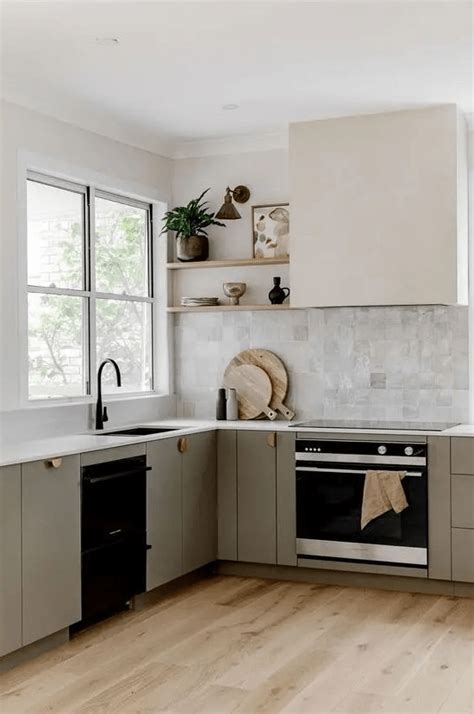
Subtle gray handmade-look zellige tiles offer an iridescent finish that reflects light dynamically throughout the day. In a kitchen backsplash setting, these slightly varied surfaces catch natural window light and artificial under-cabinet lighting alike, preventing the kitchen from feeling flat or clinical.
Stacked linear charcoal tiles create a sleek, architectural statement behind a stainless steel range hood. Their slim profile elongates the kitchen wall visually, fitting seamlessly into modern industrial or urban loft aesthetics common in many metropolitan U.S. homes.
Soft gray arabesque tiles introduce soft, curvaceous lines that contrast beautifully against sharp countertop edges and straight-line cabinetry. This design choice adds a subtle transitional touch for homeowners who prefer a blend of traditional shapes and modern neutral coloring.
Matte gray mosaic tiles arranged in a classic basketweave pattern add subtle texture to a compact wet bar or coffee station. The intricate pattern adds visual interest to a small footprint, providing a refined backdrop that pairs wonderfully with open wooden shelving and glassware.
Geometric three-dimensional gray tiles create a striking focal point when applied to an accent wall in a modern dining area. As shadows shift across the faceted surfaces throughout the day, the wall gains depth and movement without requiring extra artwork or heavy ornamentation.
Bathroom and Accent Wall Transformations
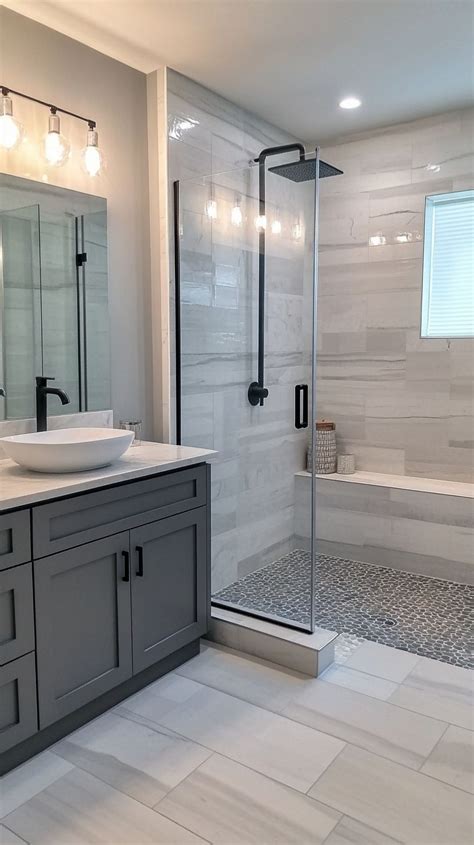
Pebble-style gray shower floor tiles offer a spa-like tactile experience underfoot while providing natural slip resistance. Combined with smooth gray wall tiles, this variation in texture replicates a serene natural retreat right inside your own master suite.
Vertical gray subway tiles installed in a floor-to-ceiling bathroom layout draw the eye upward, making standard-height ceilings feel noticeably taller. This simple layout adjustment brings a fresh, unexpected twist to a traditional tile format.
Smoky gray glass tiles reflect light effortlessly, making them an exceptional choice for windowless powder rooms where maximizing every lumen is essential. Pair them with a floating wooden vanity to balance the cool reflectivity of the glass with organic warmth.
Distressed wood-look gray porcelain tiles offer the rustic charm of weathered barn wood paired with the moisture resistance of tile. They look stunning on bathroom accent walls behind freestanding soaking tubs, introducing rustic character into a modern wet room.
Classic charcoal penny rounds grouted with a contrasting light gray or bright white epoxy grout create a playful yet sophisticated graphic floor design. This classic pattern grounds eclectic bathrooms, offering a timeless element that bridges vintage charm with modern utility.
Frequently Asked Questions
What shades of gray tile are currently popular in U.S. homes?
Soft dove grays, warm greige tones, and deep charcoal are currently leading trends. Homeowners favor shades that coordinate easily with warm wood floors, brass hardware, and neutral wall paints.
How do I keep a gray tile room from feeling cold?
To prevent gray rooms from feeling sterile, introduce warm textures such as natural wood furniture, woven textiles, brushed brass accents, and layered lighting with warm color temperatures.
Where should I use large-format gray tiles?
Large-format tiles excel in open-concept living areas, kitchens, and spacious showers because fewer grout lines create a clean, expansive, and uninterrupted visual flow.
What grout colors work best with gray tiles?
Matching grout creates a seamless, monolithic look, while contrasting grout (like dark gray with light tiles, or white with charcoal tiles) highlights geometric layouts and patterns.


