Grey flooring has firmly established itself as a modern staple in American residential design, offering a versatile neutral foundation that adapts to countless aesthetic styles. Whether you live in a sun-drenched coastal property or a cozy suburban bungalow, grey floors provide an alternative to traditional warm woods while maintaining a timeless appeal. However, because grey spans a wide spectrum of cool and warm undertones, selecting the right material and shade requires careful consideration of your living room’s natural light, layout, and furniture scheme.
When planning a living room upgrade, homeowners often wonder how to keep grey surfaces from feeling sterile. The secret lies in balancing the cool nature of the floor with tactile layers, warm textiles, and thoughtful furniture pairings. Across thirty distinct design directions, grey flooring proves its flexibility, accommodating everything from minimalist Scandinavian layouts to rich, transitional family rooms. By understanding how different materials—such as engineered hardwood, luxury vinyl tile, and textured carpeting—behave in daily life, you can curate a space that is as durable as it is visually striking.
Understanding Light Versus Dark Grey Flooring Foundations

Choosing between light and dark grey flooring fundamentally changes the mood, perceived proportions, and maintenance profile of your living room. Light grey floors, including bleached oak and whitewashed finishes, reflect natural sunlight exceptionally well. This reflective quality makes them an ideal choice for smaller U.S. living rooms or spaces with limited window exposure, as they instantly amplify brightness and create an airy, expansive atmosphere.
Dark grey flooring, such as charcoal-stained hickory or deep slate tile, introduces dramatic contrast and an undeniable sense of grounded sophistication. While dark floors command attention and look stunning paired with crisp white trim or vibrant jewel-toned upholstery, they require a bit more maintenance. Dust, pet hair, and lint tend to show more readily on high-contrast dark surfaces, making regular upkeep an important factor for busy households with pets or children.
Material Options: Hardwood, LVT, and Carpeting
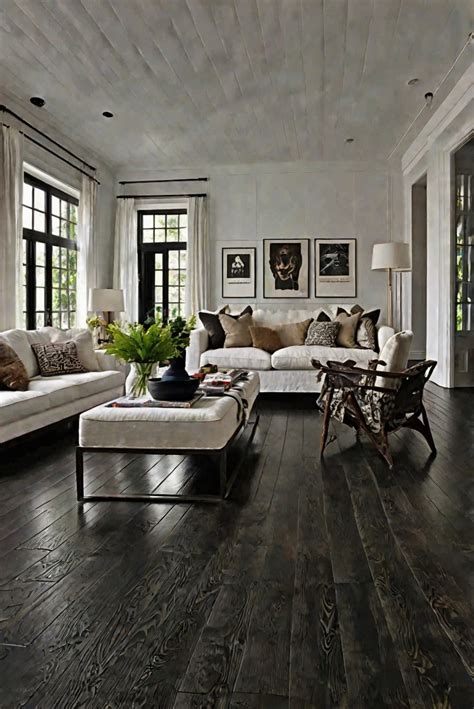
Engineered Hardwood and Laminate Concepts
Engineered hardwood and high-grade laminate provide the classic warmth of real wood grain while resisting the seasonal expansion and contraction common in fluctuating U.S. climates. Opting for a wire-brushed grey oak plank adds subtle texture underfoot while masking minor everyday wear and tear. These materials pair wonderfully with brass or matte black hardware accents, creating a cohesive, curated look across the entire living area.
Luxury Vinyl Tile (LVT) and Stone Innovations
For high-traffic family rooms or basement living spaces prone to moisture, luxury vinyl tile mimicking grey concrete or weathered stone offers exceptional durability. LVT provides a slightly softer, warmer feel than genuine stone tile while remaining entirely waterproof and remarkably easy to clean. Incorporating large-format grey vinyl tiles can give a contemporary loft aesthetic to urban apartments without the heavy structural weight of actual masonry.
Textured Carpeting and Area Rug Strategies
Wall-to-wall grey carpeting in a plush frieze or loop-pile construction transforms a living room into an acoustic sanctuary, absorbing sound and maximizing barefoot comfort. Alternatively, if your base floor is smooth grey wood or tile, layering a thick, high-pile wool rug in an ivory or oatmeal tone breaks up the monotony and introduces essential tactile contrast. This layering technique prevents large expanses of grey flooring from feeling flat or cold.
Styling Your Living Room: Color Palettes and Furniture Pairings
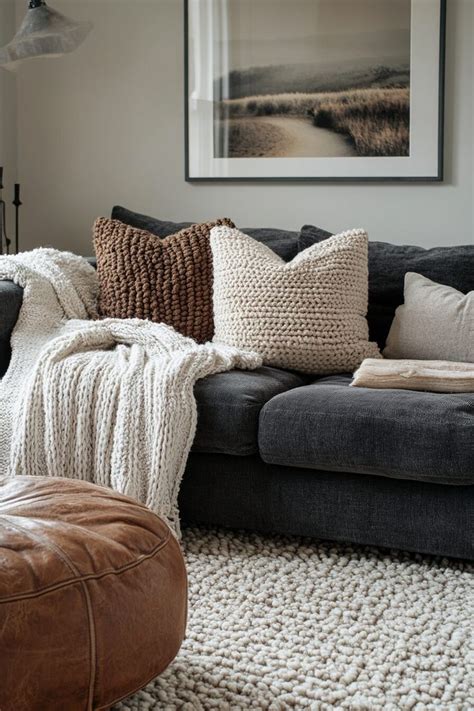
Designing around grey floors involves balancing undertones—which can lean blue, green, purple, or warm taupe—with your furniture and wall selections. To keep a grey-floored living room feeling welcoming rather than austere, incorporate warm wood furniture, leather armchairs in cognac or caramel, and textiles featuring rich textures like bouclé, velvet, or linen. Walls painted in soft warm whites, creamy beiges, or muted sages complement grey flooring by softening the overall visual transition.
Lighting also plays a pivotal role in how grey floors manifest throughout the day in different American regions. Natural light in northern states often carries a cooler blue tint, which can make blue-grey floors look icy. Combat this by utilizing warm LED bulb temperatures around 2700K and incorporating table lamps and wall sconces that cast a golden glow. Conversely, sun-drenched southern rooms handle cooler grey tones effortlessly, maintaining a refreshing, breezy ambiance from morning until evening.
Frequently Asked Questions
What shade of grey flooring works best in a small living room?
Light grey flooring is generally the best choice for small living rooms. Because lighter shades reflect natural and artificial light more efficiently, they visually expand the room’s boundaries and make the space feel brighter and more open.
How do I make a living room with grey floors feel warm and cozy?
To counteract the cool nature of grey floors, introduce warm elements such as cognac leather furniture, natural wood side tables, textured wool or jute area rugs, and warm-toned lighting fixtures. Layering soft fabrics like velvet and bouclé pillows also enhances coziness.
What furniture colors match grey living room floors?
Grey floors act as a versatile neutral, pairing beautifully with a wide variety of furniture colors. Warm neutrals like cream, beige, and camel create a balanced look, while bold accent colors like navy blue, forest green, or mustard yellow add striking visual contrast.


