Grey tile remains a foundational element in contemporary American home design, offering a versatile backdrop that adapts to shifting seasonal palettes and personal styles. Drawn from professional experience consulting on residential renovations across varied architectural styles, professional interior curator Bromley notes that grey encompasses a vast spectrum of warm greige tones, cool slate shades, and complex mineral variations. Successfully incorporating grey tiles into U.S. interiors requires a careful balance of texture, lighting, and thoughtful contrast to keep spaces feeling inviting rather than stark.
When planning a renovation or simple refresh, homeowners often face the challenge of selecting the right finish and layout for their unique spatial constraints. Whether you are designing a high-traffic kitchen backsplash, a serene primary bathroom retreat, or a durable mudroom floor, exploring curated design ideas helps narrow down choices that align with both aesthetic desires and practical daily living requirements. Understanding how specific tile formats interact with regional architectural lighting forms the bedrock of a successful residential update.
Curated Grey Tile Concepts for Modern Living
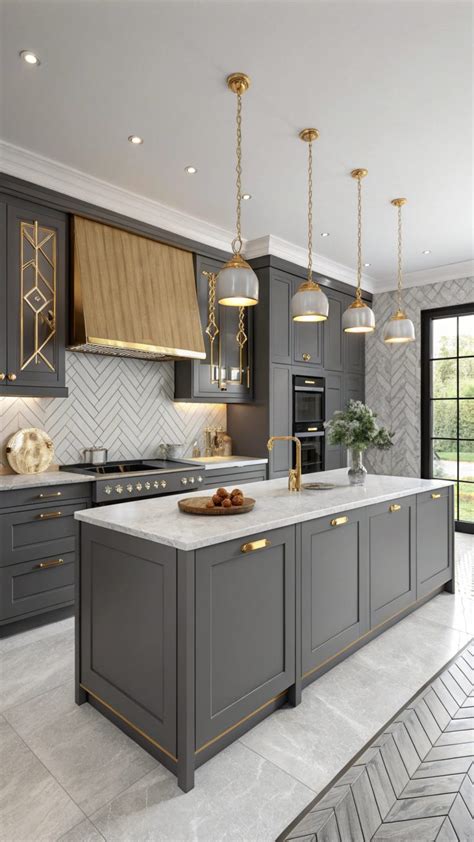
Integrating grey tiles effectively across different rooms relies heavily on understanding how natural and artificial light interacts with various material finishes. Matte surfaces absorb light for a soft, understated look, while polished tiles reflect illumination to make compact spaces feel significantly larger and more open. Professional spatial planning dictates evaluating window orientations before committing to a surface sheen, ensuring that southern-facing rooms can handle cooler slate tones while north-facing spaces benefit from warmer, greige undertones.
Furthermore, professional design curation emphasizes the importance of hardware and textile pairings. Grey tile acts as a sophisticated canvas, but its ultimate success depends entirely on what surrounds it. Integrating organic textures, thoughtful grout line widths, and layered ambient lighting prevents neutral stone or porcelain from feeling institutional, turning functional rooms into comfortable, highly personalized sanctuaries.
1. Large-Format Slate Floor Tiles
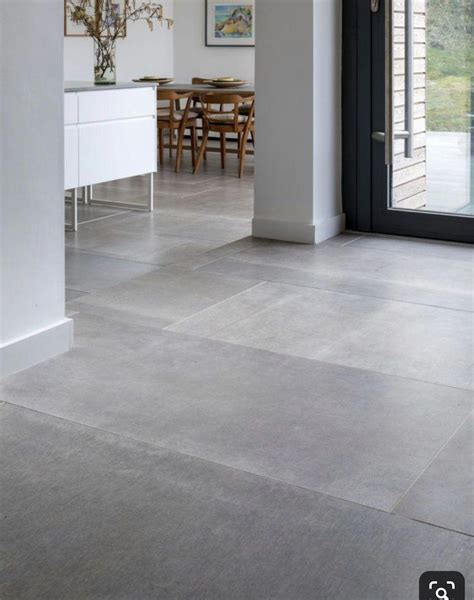
Large-format grey floor tiles minimize grout lines, creating a seamless, expansive look that works exceptionally well in open-plan American living spaces and kitchens. Bromley frequently recommends these expansive formats for modern suburban layouts where visual continuity helps unify multi-functional living areas. Pairing these expansive tiles with warm wood cabinetry or brushed brass hardware instantly introduces a cozy contrast that softens the cool nature of the stone.
From an installation perspective, large-format tiles require a perfectly leveled subfloor and specialized thin-set mortar to prevent lippage. Homeowners should consult professional tile setters to ensure adequate coverage and proper movement joints, particularly in large, sunlit great rooms where seasonal temperature shifts can impact rigid flooring materials.
2. Herringbone Marble-Look Backsplashes
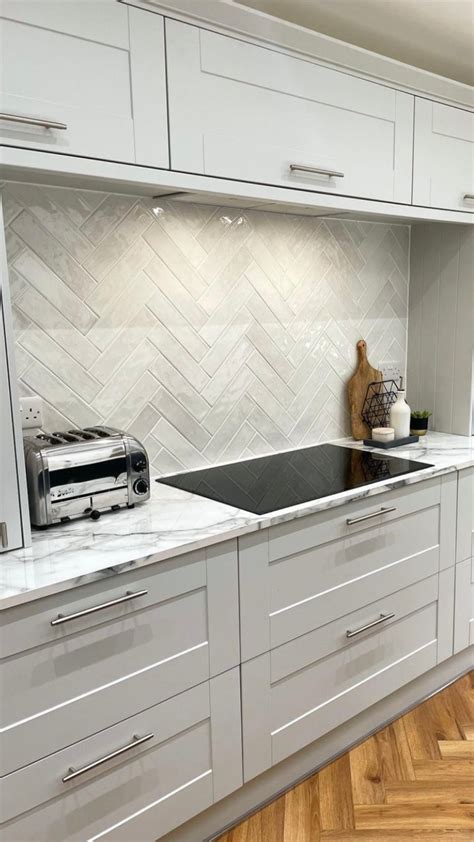
A classic herringbone pattern using polished or honed grey marble-look porcelain tile elevates a kitchen or bathroom wall instantly. This traditional layout adds geometric movement, preventing neutral walls from feeling flat while remaining timeless enough to withstand changing interior trends. The subtle veining found in marble-look porcelain introduces organic movement without the high maintenance and staining vulnerabilities of natural marble.
When installing intricate patterns like herringbone, precise layout planning is critical to avoid awkward cuts near electrical outlets or upper cabinetry. Bromley advises dry-laying sections beforehand to center the chevron peak perfectly within the primary focal wall, ensuring a balanced, high-end custom finish.
3. Textured Concrete-Effect Wall Tiles
Industrial-inspired concrete-effect tiles bring a tactile, urban edge to powder rooms or shower enclosures. The subtle variations in tone and texture add depth, making plain walls feel architectural and sophisticated without requiring heavy decorative art. These tiles pair exceptionally well with minimalist matte black fixtures and floating wooden vanities.
Because concrete-effect tiles often feature subtle relief textures, contractors must take care during grouting to prevent grout residue from lodging permanently in the surface pores. Using a liquid release agent or selecting a grout color closely matched to the tile base minimizes cleanup challenges and preserves the intended industrial aesthetic.
4. Handcrafted Zellige-Style Grey Tiles
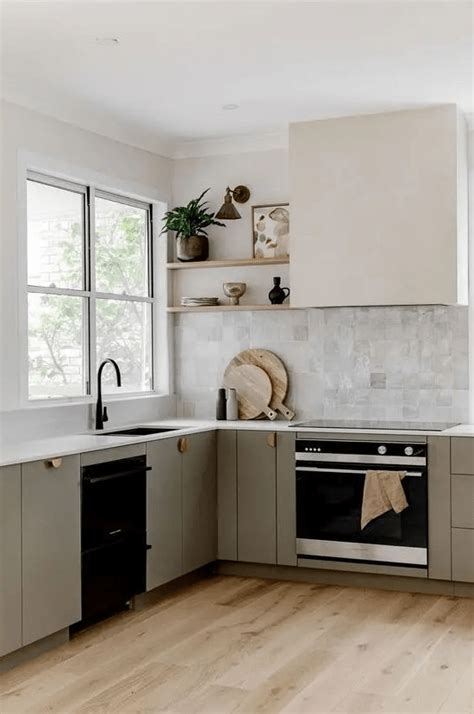
Glossy, uneven Zellige-style tiles in varying shades of grey reflect light dynamically across a kitchen backsplash. Their organic edges and slight color fluctuations introduce handcrafted warmth, ensuring the space feels curated and personal rather than mass-produced. The interplay of light against their undulating surfaces creates constant visual interest throughout different times of the day.
Installing authentic or porcelain Zellige-style tiles requires tight grout joints and an experienced installer comfortable with irregular modular sizing. Unlike uniform ceramic tiles, these pieces require an artistic eye during placement to distribute shade variations evenly across the entire wall surface.
Balancing Tone and Texture in Every Room
The secret to mastering grey tile design lies in layering textures and balancing cool undertones with warmer elements. Combining smooth porcelain with woven textiles, warm metals, and organic wood tones transforms a sterile environment into a comfortable, stylish sanctuary. Bromley emphasizes that neutral color schemes succeed not through the absence of color, but through the rich interplay of tactile surfaces that engage multiple senses simultaneously.
Evaluating room functionality should always precede aesthetic choices, especially in moisture-prone or high-traffic areas. Selecting appropriate slip resistance ratings for floors and impervious porcelain formulations for wet zones guarantees long-term durability, ensuring that your design investment remains beautiful and structurally sound for years to come.
5. Hexagonal Slate Bathroom Floors
Hexagonal grey tiles offer geometric interest underfoot while providing natural slip resistance due to the increased grout frequency. They look striking when paired with crisp white fixtures and matte black plumbing hardware for a balanced, modern classic aesthetic. The smaller scale of hex tiles also accommodates slight floor slopes toward shower drains much more easily than large squares.
Maintenance for geometric mosaic or hex tile floors involves routine sealing if using natural slate, while porcelain options require minimal upkeep beyond standard cleaning. Choosing a mold-resistant epoxy or modified cement grout protects high-moisture bathroom floors from discoloration over time.
6. Subtle Pinstripe Shower Surrounds
Pinstripe or linear textured grey tiles create vertical optical illusions, making low ceilings appear taller. Installed inside a shower stall, they add refined detail without overwhelming the visual flow of a compact bathroom layout. This linear approach draws the eye upward, maximizing perceived vertical volume in smaller urban apartments.
When planning linear tile layouts, ensure that accent bands align cleanly with plumbing fixtures, niches, and soap dishes. Careful dry-planning prevents disjointed cuts that can disrupt the clean, architectural elegance of vertical stripes.
7. Warm Greige Subway Kitchen Walls
Leaning into greige—a hybrid of grey and beige—warms up kitchen walls while keeping the neutral versatility intact. This subtle shift in undertone bridges the gap between cool stainless steel appliances and warmer wooden kitchen accents. It provides a timeless, transitional appeal that bridges traditional American farmhouse kitchens and sleek modern cooking spaces.
Subway tile remains a budget-friendly powerhouse, but elevating standard formats with a customized running-bond or vertical stack bond layout creates a bespoke look. Pairing greige subway tiles with open walnut shelving completes a welcoming, grounded kitchen design.
8. Two-Tone Contrast Borders
Using dark charcoal tiles as a perimeter border around lighter grey field tiles defines functional zones in open-concept entryways or mudrooms. This practical design trick hides high-traffic dirt while adding a custom architectural detail reminiscent of classic European manors adapted for busy American family lifestyles.
Executing perimeter borders successfully requires precise calculation of room dimensions to ensure the border frame remains uniform on all sides. Professional installers use layout grids to center field tiles and maintain consistent border widths away from baseboards.
9. Fluted Dimensional Wall Accents
Dimensional fluted grey tiles create dramatic shadow play when illuminated by directional wall sconces or under-cabinet lighting. They serve as a stunning focal point behind a bathroom vanity or as a statement fireplace surround, introducing sculptural depth to otherwise flat surfaces.
Because fluted tiles feature raised profiles, cutting them cleanly around electrical switches or mantel corners requires a wet saw with a specialized fine-grit blade to prevent chipping along the decorative edges.
10. Weathered Wood-Look Grey Planks
Porcelain tiles finished to mimic weathered grey wood grain offer the ultimate combination of rustic charm and waterproof durability. They are ideal for high-moisture areas like laundry rooms and basements where traditional hardwood is impractical, providing the aesthetic warmth of reclaimed timber without warping concerns.
To maintain a convincing wood appearance, stagger tile planks by no more than one-third of their length during installation to prevent lippage, and select a coordinating grout color that mimics natural timber seams.
11. Soft Pebble Mosaic Shower Floors
Smooth pebble mosaic tiles in mixed grey tones offer a gentle foot massage and a spa-like feel in curbless walk-in showers. The organic shapes break up rigid architectural lines in modern bathrooms, introducing a touch of nature that complements biophilic interior design trends.
Proper installation of pebble sheets requires interlocking mesh alignment to prevent visible grid lines after grouting. Using a slightly thicker grout float ensures grout fills the deep recesses between rounded stones completely without pooling.
12. Geometric Patchwork Patterns
Encaustic-style patterned tiles featuring soft grey and cream motifs add personality to small powder rooms or laundry areas. This playful design idea injects character into utilitarian spaces without overwhelming the overall home palette, serving as a charming focal point in compact rooms.
When laying patterned tiles, homeowners should inspect batch numbers carefully to ensure consistent ink saturation and pattern alignment across boxes, as slight manufacturing variations are common in patterned ceramic production.
Frequently Asked Questions
How can I prevent grey tiles from making a room look cold?
To counteract a cold appearance, pair grey tiles with warm textures and materials. Incorporate natural wood accents, warm brass or gold hardware, woven jute rugs, and layered lighting with warm color temperature bulbs to create a welcoming atmosphere.
Are matte or polished grey tiles better for high-traffic areas?
Matte grey tiles are generally better for high-traffic or wet areas because they offer superior slip resistance and show footprints and water spots far less than polished surfaces. Polished tiles are best reserved for vertical walls or low-traffic powder rooms.
What grout color works best with grey tiles?
The ideal grout color depends on the desired look. Matching the grout color creates a seamless, modern expanse, while contrasting grout—such as dark charcoal with light grey tiles—highlights geometric patterns, tile shapes, and architectural layouts.


