Finding storage solutions that fit your aesthetic while respecting apartment leases or tight budgets can feel overwhelming. Mass-produced shelving often misses the exact dimensions of awkward living room alcoves, narrow hallways, or compact kitchen pantries. Crafting your own storage through accessible DIY shelf projects allows you to customize every inch, using standard lumber and hardware readily available at major U.S. home improvement centers like The Home Depot or Lowe’s.
Whether you are looking to display family photos, organize pantry spices, or build sturdy bookshelf walls, approaching these projects with clear safety guidelines and standard construction knowledge ensures long-lasting results. Below is a comprehensive breakdown of thirty shelving concepts categorized by room and installation type, helping you select the ideal project for your skill level and living situation.
Renter-Friendly and No-Damage Shelving Solutions
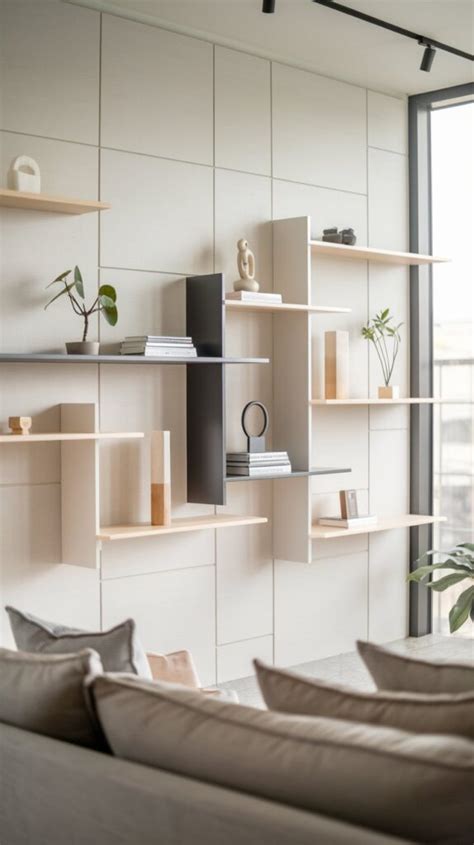
For apartment dwellers and renters across the United States, drilling large holes into drywall often means forfeiting a security deposit. Fortunately, modern interior design offers several clever workarounds that deliver the look of custom floating wood without compromising your lease agreement. Tension rods, heavy-duty adhesive strips rated for specific weights, and leaning ladder shelves provide incredible vertical storage while remaining entirely portable and patch-free when moving day arrives.
When planning a renter-friendly display, always verify weight limits and choose lightweight whitewood boards or plywood rather than heavy oak or walnut. Projects like the leaning blanket ladder or command-strip photo ledges require minimal tools—often just a screwdriver and a level—making them perfect weekend undertakings for beginners who want immediate organization without permanent wall alterations.
Living Room and Entryway Statement Shelves
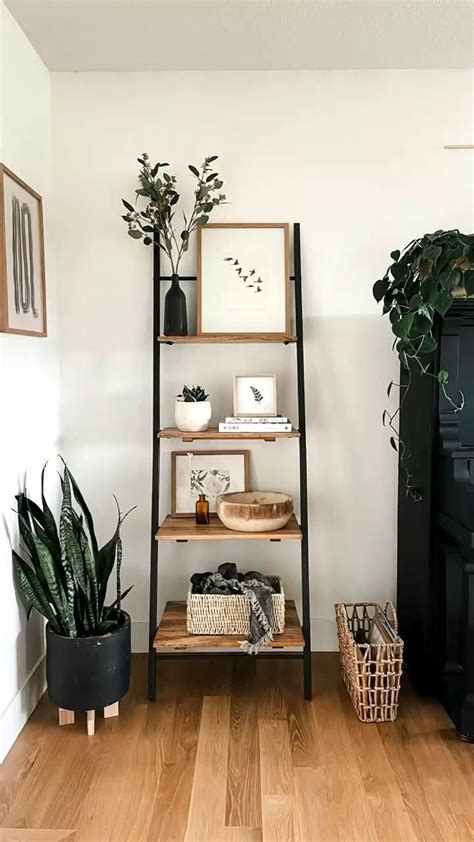
The living room and entryway serve as the primary focal points of an American home, making them ideal locations for statement shelving that combines utility with decorative styling. Standard dimensional lumber, such as 2×8 or 2×10 pine boards paired with iron brackets, creates a warm industrial aesthetic that anchors a room. Installing these heavier shelves requires identifying wall studs, which are typically spaced sixteen inches apart in standard U.S. residential construction.
To achieve a professional finish, sand your lumber thoroughly and apply a low-VOC wood stain or matte polyurethane to protect against everyday wear. When mounting heavy brackets, always drive anchor screws directly into wooden studs rather than relying solely on drywall anchors, especially if the shelves will hold heavy ceramic pottery, large hardback books, or trailing indoor plants.
Kitchen, Pantry, and Bedroom Storage Builders
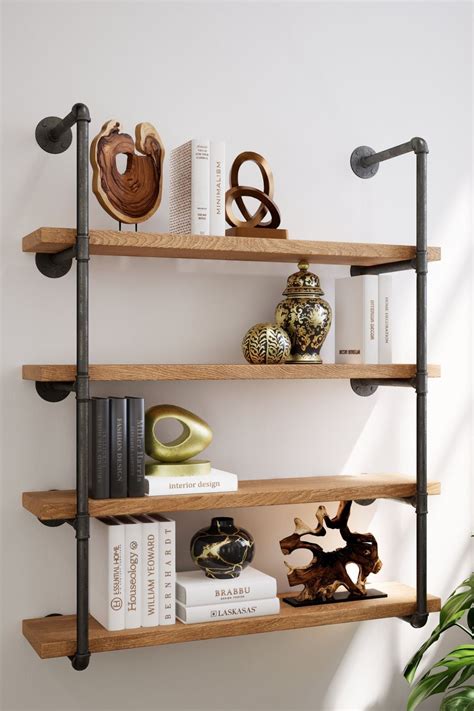
Maximizing efficiency in kitchens, pantries, and bedrooms often comes down to utilizing vertical space that would otherwise go wasted. Simple corner floating shelves transform dead space into functional coffee stations or spice racks, while longer single-board shelves above a bed create a minimalist bedside surface without bulky nightstands taking up floor space. Utilizing pre-cut lumber boards from local hardware stores drastically reduces project time since most dimensional wood can be purchased in convenient lengths.
Before securing any kitchen or pantry shelving, evaluate your storage needs to determine whether you need concealed brackets for a clean floating look or visible brackets that offer higher weight capacities for canned goods and small appliances. Taking accurate measurements twice and using an electronic stud finder will save you from common installation mistakes and ensure your custom storage looks intentional and secure.
Frequently Asked Questions
What are the easiest DIY shelf projects for beginners?
Simple board-and-bracket shelves are widely considered the easiest starting point for beginners. You can purchase pre-sanded pine boards cut to length at any major U.S. hardware store, pair them with standard metal brackets, and mount them using a drill and a level in under an hour.
How can renters install shelves without damaging walls?
Renters can utilize leaning ladder shelves, tension-pole shelving units, or heavy-duty adhesive strips designed specifically for hanging picture ledges and lightweight frames. These solutions provide valuable display space without leaving large holes or requiring drywall patching.
What tools and materials are needed for basic floating shelves?
Basic floating shelf construction typically requires a saw (if cutting wood to custom lengths), an electronic stud finder, a spirit level, a power drill, wood screws, heavy-duty floating shelf brackets, and your choice of dimensional lumber like pine or poplar.
How do I safely anchor heavy-duty shelves to drywall?
To safely support heavy items, always anchor your shelf brackets directly into wooden wall studs spaced 16 inches on center whenever possible. If studs do not align with your desired shelf placement, use high-grade toggle bolts or heavy-duty drywall anchors rated specifically for the estimated total weight load.


