Custom built-in shelving instantly elevates a living room, providing architectural character, hidden storage potential, and a personalized display area for books and decor. Achieving this high-end look often feels out of reach for apartment dwellers or those hesitant to drill into structural walls. Fortunately, the fundamental principles of custom shelving can be adapted for any living situation. By understanding how to measure your space, select appropriate materials, and apply the right installation techniques, you can achieve a tailored look regardless of whether you own your home or rent.
Assessing Your Living Room Space and Structural Realities
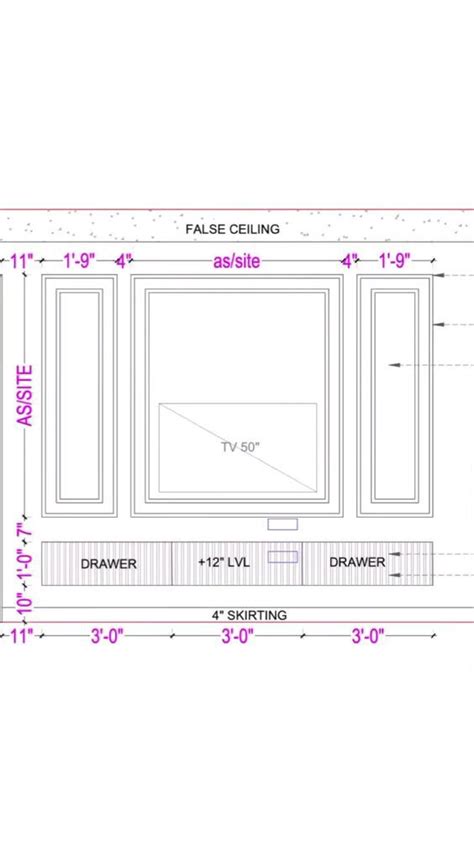
Before buying lumber or browsing furniture catalogs, take a careful inventory of your living room’s dimensions and architectural quirks. Most walls and floors in American homes are not perfectly plumb, level, or square, which can quickly derail a shelving project if you do not account for these variations early. Measure the height, width, and depth of your target wall multiple times, noting any baseboards, crown molding, or heating vents that might interfere with a flush installation.
Deciding between a permanent built-in and a modular alternative depends entirely on your long-term plans and lease agreements. True built-ins are permanently attached to wall studs and floor joists, offering maximum weight capacity and a seamless transition into the surrounding drywall. On the other hand, modular bookcases framed with custom trim can mimic the expensive look of true built-ins without altering the underlying structure of the room, making them ideal for flexible spaces.
Selecting Materials and Hardware for Lasting Safety
The durability and visual appeal of your living room shelves depend heavily on the materials you choose. Solid hardwoods like oak, maple, and walnut offer incredible strength and a rich, timeless grain, but they come with a higher price tag and require more advanced woodworking tools. For a budget-friendly and stable alternative, many DIYers opt for cabinet-grade plywood with edge banding, which resists warping better than standard dimensional lumber over long spans.
Safety should always guide your choice of hardware, particularly when dealing with heavy book collections or delicate ceramics. Toggle bolts, heavy-duty drywall anchors, and structural wood screws tied directly into wall studs are essential for permanent setups to prevent catastrophic tip-over hazards. If you are designing for a rental, you will need to rely on specialized weight-distribution feet or tension systems that transfer downward gravity loads to the floor rather than relying solely on wall tension.
Renter-Friendly Hacks for the Custom Built-In Look

Renters frequently assume that architectural built-ins are entirely off-limits due to strict lease restrictions and security deposit concerns. However, you can fake the custom built-in aesthetic by anchoring unattached, floor-to-ceiling bookcases securely to one another using hidden connector bolts rather than screwing them into the wall. Filling any small gaps between the bookcase tops and the ceiling with lightweight foam molding attached with removable adhesive strips completes the illusion of permanent carpentry.
Another effective strategy for renters involves utilizing heavy-duty tension poles or modular closet systems configured as living room media centers. By wrapping the exterior frame in MDF panels painted to match your wall color, you create a monolithic architectural statement piece. When it comes time to move out, simply unscrew the panels, patch minor anchor pinholes with spackle, and take your investment pieces with you to your next home.
Styling and Organizing Your New Living Room Shelves
Once your shelving structure is secure, thoughtful styling transforms raw timber into a curated focal point. Balance heavier items, such as large art books and storage baskets, on the lower shelves to establish visual stability and a grounded aesthetic. Lighter decorative objects, trailing plants, and framed photographs belong on the upper tiers to draw the eye upward and accentuate the vertical scale of the living room.
Avoid overcrowding every single shelf, as strategic negative space is essential for a high-end designer look. Group items in odd numbers, vary heights and textures, and periodically step back across the room to assess the overall composition. By combining smart planning with intentional styling, your custom or pseudo-built-in shelves will serve as both a functional storage solution and a stunning centerpiece for daily living.
Frequently Asked Questions
How can renters create the look of built-in shelves without damaging walls?
Renters can achieve a built-in look by securing modular bookcases together to form a single heavy unit, filling ceiling gaps with lightweight trim attached via removable adhesive, and utilizing floor-supported weight distribution instead of heavy wall anchoring.
What are the best materials for building custom living room shelves?
Cabinet-grade plywood paired with iron-on edge banding is widely considered the best overall material because it resists warping over long spans while remaining budget-friendly. Solid hardwoods are ideal if your budget and woodworking experience allow for them.
How do you anchor heavy shelving safely?
Heavy permanent shelving must be anchored directly into wooden wall studs using structural screws or heavy-duty toggle bolts. Always check for electrical wires or plumbing lines behind the drywall before drilling into the wall.
What is the difference between freestanding bookcases and true built-ins?
True built-ins are permanently secured to the wall studs and floor, often custom-built to fit tight architectural recesses. Freestanding bookcases are standalone furniture pieces that can be easily moved, though they can be modified with trim to resemble built-ins.


