Blank walls often present a design challenge, especially when standard floor space is limited in modern apartments and suburban houses alike. Incorporating custom wall storage provides an immediate visual upgrade while maximizing functional utility without cluttering your floor plan. Whether you want to showcase curated art collections, organize pantry staples, or establish a handy drop zone near your front door, building your own shelving offers a satisfying and cost-effective weekend project.
Sourcing materials from standard American hardware retailers like The Home Depot or Lowe’s makes gathering supplies remarkably straightforward. Most projects rely on dimensional lumber, ready-made brackets, and basic anchors designed to handle the standard drywall construction found across North America. By understanding basic load requirements and investing in a reliable magnetic stud finder, you can safely mount stylish ledges that look professionally installed while keeping your project expenses well under budget.
Living Room Statement and Display Shelves
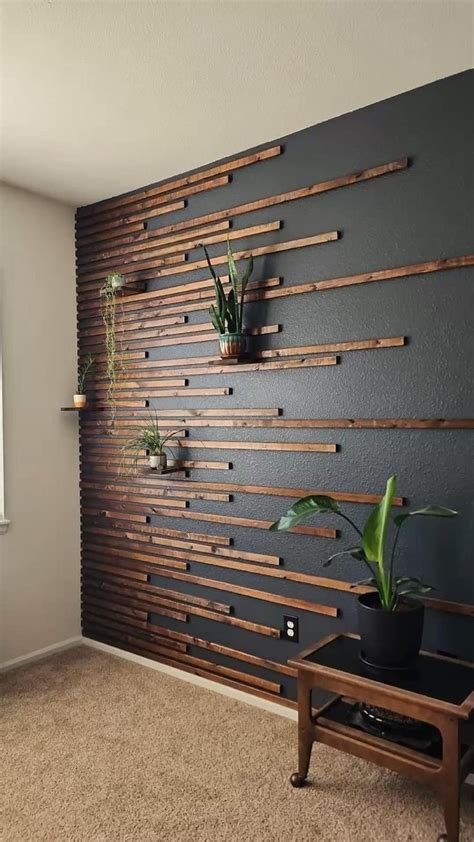
The living room serves as the central gathering space, making it the ideal location for a prominent display shelf that draws the eye upward. A thick, rustic timber plank paired with matte black iron brackets adds instant architectural character to a plain drywall surface. When planning your layout, consider centering a single long shelf above a sofa or arranging two staggered boards to create an asymmetrical gallery wall effect that breaks up large expanses of paint.
To execute this concept efficiently, purchase pre-cut whitewood or pine boards, sand the surfaces thoroughly to remove rough spots, and finish the wood with a warm wood stain or low-sheen polyurethane. Securing at least one bracket directly into a wooden wall stud ensures your heavy decorative ceramics and framed family photos remain completely secure. Style the finished surface with a balanced mix of vertical and horizontal elements, incorporating trailing potted plants or small sculptural objects to add organic texture.
Kitchen and Pantry Functional Storage Ledges
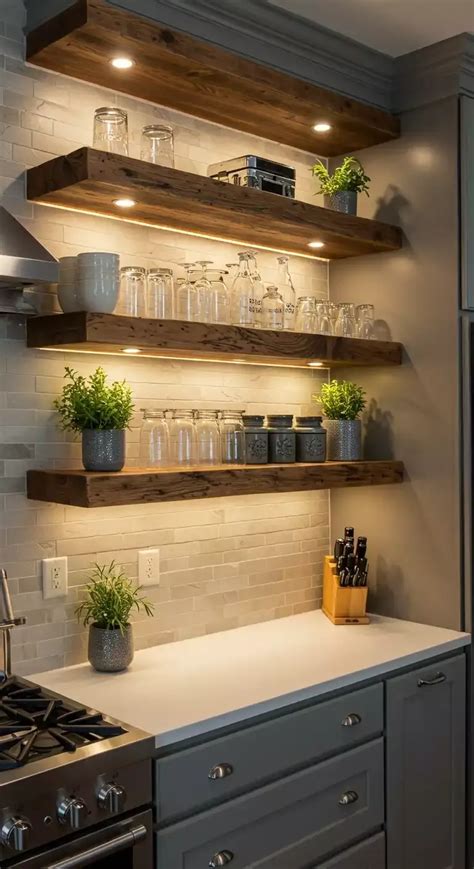
Kitchen storage often falls short in rental units and compact suburban kitchens, making floating wall ledges a practical lifesaver for everyday cooking essentials. Shallow wooden spice racks mounted right beside the stove keep your favorite seasonings within arm’s reach while freeing up precious cabinet real estate. Alternatively, adding a sturdy maple board underneath upper cabinetry provides a dedicated spot for heavy mixing bowls or everyday ceramic coffee mugs.
When installing shelves in moisture-prone zones like kitchens, opt for sealed hardwood or water-resistant finishes that withstand routine cleaning and ambient humidity. Use heavy-duty toggle bolts if your layout prevents you from aligning every mounting hole directly with a wall stud. Organizing glass jars, canisters, and everyday dishware on these open shelves introduces an effortless farmhouse charm that transforms utilitarian spaces into welcoming, functional culinary zones.
Bedroom and Nursery Minimal Shelving
Bedrooms require a calmer visual aesthetic, making minimal floating ledges or simple wooden book rails a soothing addition above a headboard. In nursery spaces, narrow picture-ledge style shelves installed at a child’s eye level allow you to display colorful board books facing outward, turning storytime selections into vibrant wall art. This approach keeps books accessible to young readers while maintaining a tidy, curated floor area.
Safety is the primary consideration when installing bedroom and nursery displays, particularly in homes with small children or active pets. Ensure all brackets are screwed firmly into studs or heavy-duty anchors rated for appropriate weight capacities, and avoid placing excessively heavy glass items directly above a sleeping area. Keep the styling light and uncluttered, using soft textiles, framed family illustrations, or small ambient lighting elements to foster a restful atmosphere.
Entryway Catch-All Drop Zones
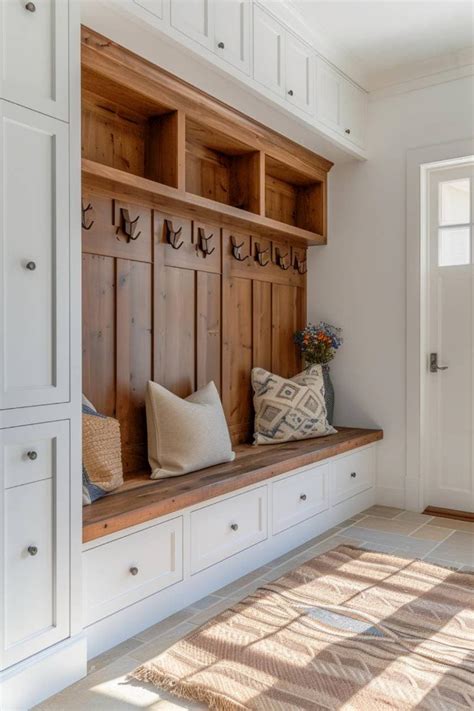
The entryway is the first impression guests receive, and it is frequently the most prone to accumulating stray mail, keys, and everyday clutter. Installing a shallow wooden drop-shelf equipped with under-mounted brass hooks creates a dedicated drop zone for keys, sunglasses, and lightweight jackets right where you need them most. This simple addition prevents kitchen counters and dining tables from becoming dumping grounds for daily pocket clutter.
Because entryways frequently feature narrow wall spans, custom-cut shelving boards measuring under 24 inches fit comfortably in tight mudroom corridors without restricting movement. Pair the wooden ledge with a small decorative bowl for loose change and a framed mirror directly above to check your reflection before heading out the door. Selecting sturdy anchors is vital here, as family members will frequently toss heavy bags or coats onto nearby hooks.
Renter-Friendly Mounting Techniques and Essential Tools
Renters often hesitate to tackle wall-mounted projects due to strict lease agreements and concerns over heavy deposit deductions when moving out. Fortunately, modern hanging innovations allow you to mount lightweight decorative ledges using heavy-duty adhesive strips or specialized picture-hanging anchors that leave only tiny, easily patchable pinholes behind. Always consult your lease agreement and test weight limits cautiously before loading up temporary display ledges.
For homeowners and renters alike, having the right basic toolkit ensures smooth installation without frustration. Essential equipment includes a reliable spirit level to prevent crooked shelves, a cordless drill, painter’s tape for marking bracket locations, and a stud finder. Taking an extra ten minutes to double-check your measurements and leveling marks before driving the first screw will save you from unnecessary drywall patching down the road.
Frequently Asked Questions
What are the easiest DIY wall shelves for beginners?
Pre-cut pine boards paired with decorative metal brackets represent the absolute easiest starting point for beginners. These components require zero advanced woodworking machinery, and major hardware stores can often trim boards to your exact room dimensions right at the store.
How do I anchor heavy shelves safely in standard U.S. drywall?
Whenever possible, drive your shelf brackets directly into vertical wooden wall studs spaced 16 inches apart. If your desired placement misses a stud, always use heavy-duty toggle bolts or threaded drywall anchors rated for the specific weight load of your shelf and its contents.
What renter-friendly shelf options exist for temporary apartments?
Command-strip compatible lightweight display ledges and specialized thin-nail hanging brackets work exceptionally well for renters. These solutions hold lightweight frames and small decor items securely while leaving minimal surface damage that requires only a dab of spackle upon moving out.
What tools do I need for a basic weekend shelving project?
A standard cordless drill, a magnetic stud finder, a small spirit level, a pencil for marking wall spots, and a screwdriver attachment make up the core toolkit needed for almost any home shelving installation.


