Transforming blank walls into functional focal points does not require expensive custom cabinetry or professional contractors. Across American households, crafting custom storage has become one of the most rewarding ways to personalize living spaces while solving everyday clutter. Whether you live in a compact urban apartment with strict lease guidelines or a spacious suburban home needing architectural character, building your own shelving offers complete control over dimensions, finishes, and load capacities. From rustic reclaimed timber to sleek modern plywood configurations, handmade ledges bridge the gap between practical utility and sophisticated interior design.
Approaching a collection of forty distinct shelving concepts requires breaking down projects by room function, architectural constraints, and skill level. Standard lumber dimensions readily available at major U.S. home improvement centers make most of these designs accessible for weekend warriors and seasoned makers alike. By understanding how to select appropriate materials, prepare surfaces, and anchor fixtures securely into standard wall framing, you can safely elevate every room in your house with confidence and creative flair.
Living Room Statement and Floating Shelves
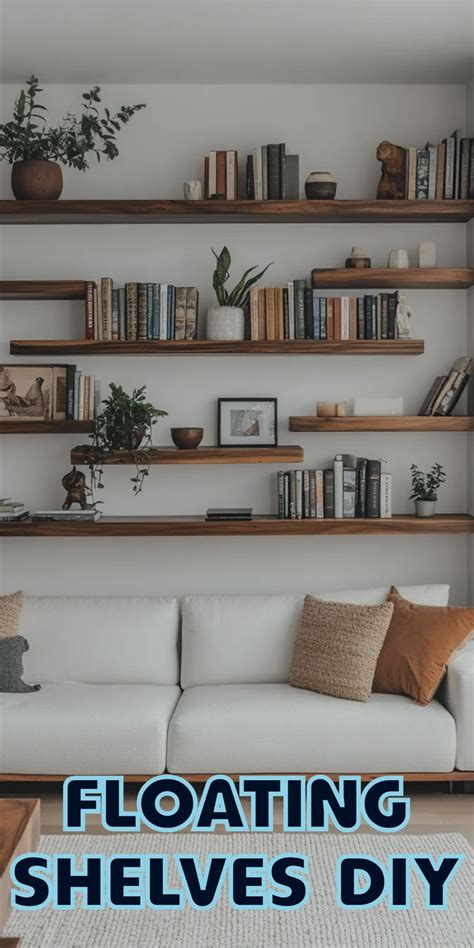
The living room acts as the primary gathering space in most American homes, making it the ideal showcase for statement shelving. Incorporating natural wood elements introduces warmth, while minimalist floating brackets maintain an airy feel in smaller layouts. When planning living room displays, consider combining heavy timber slabs with delicate decorative objects to achieve a balanced visual weight that draws the eye upward.
For a striking modern rustic look, consider building chunky box shelves using standard dimensional pine boards joined with pocket holes. These versatile units can be arranged in asymmetrical geometric patterns across a main focal wall behind a sofa. Another popular option involves utilizing iron pipe brackets paired with stained oak boards to capture an industrial aesthetic. This combination provides exceptional load-bearing capacity, making it perfect for heavy book collections, framed family photographs, and trailing indoor plants that soften the hard edges of the metal hardware.
Styling and Material Selection
Selecting the right wood species sets the foundation for your living room aesthetic. Red oak, maple, and walnut offer dense grains that take stains evenly, while pine provides an affordable, lightweight alternative that readily accepts distressed or whitewashed finishes.
When arranging items on your newly installed living room shelves, apply the rule of three and vary object heights to prevent visual monotony. Incorporate textured elements such as woven baskets, ceramic vases, and metallic bookends to create depth and professional polish without overwhelming the room.
Kitchen and Dining Practical Open Shelving
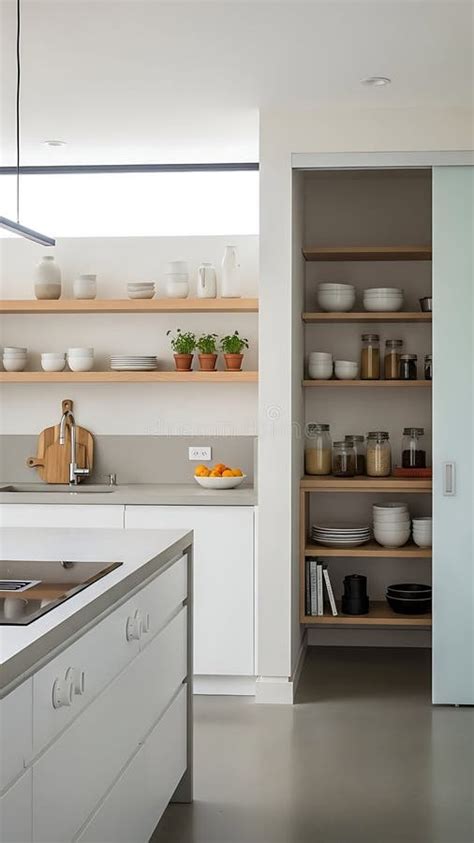
Transitioning from upper cabinetry to open kitchen shelving instantly brightens cooking spaces and encourages an organized, accessible culinary routine. In American kitchens, replacing even a single upper cabinet with sturdy handmade ledges creates a dedicated coffee station or a convenient display zone for everyday dinnerware, glassware, and mixing bowls.
When constructing kitchen shelves, moisture resistance and weight capacity are primary concerns. Opt for kiln-dried hardwood sealed with a food-safe polyurethane or mineral oil finish to protect against grease splatters and humidity fluctuations. Heavy-duty concealed brackets or robust corbels must be anchored directly into wall studs to safely support heavy ceramic plates and cast-iron skillets during daily use.
Maximizing Compact Culinary Spaces
In smaller U.S. apartments where kitchen footprint is at a premium, vertical shelving utilizes dead wall space above prep counters or breakfast nooks. Hanging a shallow tier of spice ledges keeps cooking essentials within arm’s reach while freeing up valuable drawer space for utensils and baking tools.
To maintain a clean and uncluttered appearance, limit displayed items to cohesive color palettes and frequently used cookware. Grouping similar objects together, such as stacking white ceramic bowls or aligning matching glass storage jars, ensures the open kitchen aesthetic remains purposeful rather than chaotic.
Bedroom and Nursery Cozy Storage Solutions
Bedrooms require storage solutions that promote tranquility and restfulness rather than visual clutter. Building shallow picture ledge shelves above a headboard provides a safe display area for rotating artwork, bedtime reads, and soothing aromatherapy diffusers without taking up valuable floor space for nightstands.
For children’s nurseries and playrooms, low-profile book displays mounted at child height encourage independent reading habits. These forward-facing bookshelves allow young children to easily identify and select their favorite stories, turning bedtime preparation into an engaging, organized routine. Safety is paramount here; ensure all nursery shelves feature a small front lip or retaining rail to prevent books and toys from tipping forward.
Bathroom Space-Saving and Rustic Shelves
Bathrooms frequently lack adequate built-in storage, making vertical wall organization an absolute necessity. Over-the-toilet shelving units or floating glass-and-wood ledges provide convenient zones for rolled Turkish towels, extra toiletries, and decorative glass jars filled with cotton balls and swabs.
Because bathrooms experience high humidity levels, selecting water-resistant materials is critical for long-term durability. Teak, cedar, and properly sealed knotty pine withstand moisture fluctuations exceptionally well. If you choose metal hardware in a bathroom setting, look for brass or powder-coated iron fixtures that resist rust and corrosion over years of steamy showers.
Home Office and Entryway Functional Organization
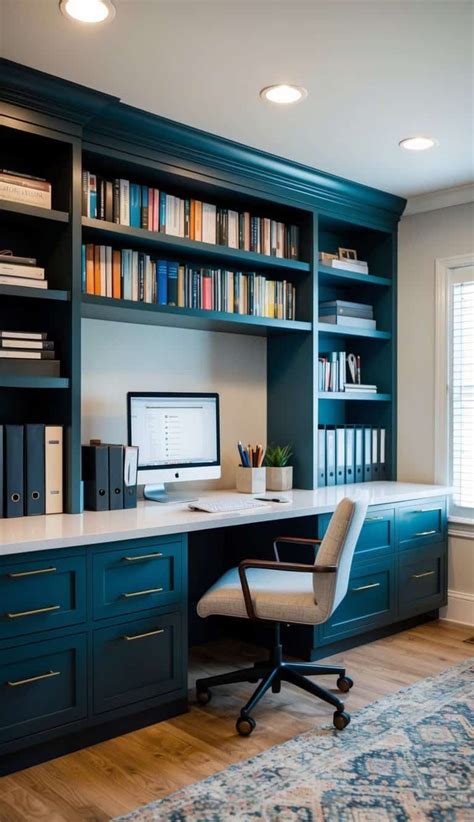
Productivity in a home office depends heavily on maintaining an organized, distraction-free environment. Building custom desk-height shelving or floating ledges above computer monitors keeps reference manuals, stationery supplies, and inspiring mood boards neatly arranged and easily reachable.
Meanwhile, the entryway serves as the central command center for busy households. Constructing a dedicated drop-zone shelf featuring integrated brass hooks underneath creates an efficient spot for hanging car keys, dog leashes, and daily jackets while storing mail in mounted wooden sorters.
Essential Tools and Hardware for U.S. Standard Walls
Successful shelving projects rely just as much on proper installation technique as they do on woodworking craftsmanship. Most American residential interior walls feature wood framing studs spaced sixteen inches apart on center, covered by half-inch drywall. Whenever possible, drive your heavy-duty mounting screws directly into these structural studs for maximum weight support.
When wall studs do not align with your desired shelf placement, utilize heavy-duty toggle bolts or expanding drywall anchors rated for the specific weight load of your shelf and its contents. Always double-check your measurements with a reliable spirit level and stud finder before drilling into finished walls to guarantee professional, secure results.
Frequently Asked Questions
What types of DIY shelves work best in small U.S. apartments versus large homes?
In smaller apartments, floating shelves and shallow picture ledges maximize vertical storage without encroaching on walking paths or making rooms feel cramped. Large suburban homes can accommodate chunky box shelves, expansive multi-tier bookcases, and heavy industrial bracket systems that fill out larger wall proportions.
How do I securely anchor shelves into drywall and wall studs?
Locate wall studs using an electronic stud finder and drive structural screws through your brackets directly into the wood. If studs are unavailable, use rated heavy-duty toggle anchors or molly bolts designed for drywall to prevent the hardware from pulling loose under weight.
What materials and tools are needed for basic woodworking projects?
Basic projects require dimensional lumber from a local hardware store, wood glue, sand-paper, a drill, a spirit level, and a saw (or you can have boards cut to size at the store). Finish materials like wood stain, polyurethane, or paint complete the look.
How can open shelving be styled effectively without looking cluttered?
Keep displays curated by editing items down to a cohesive color scheme. Combine vertical and horizontal elements, leave negative space around groupings, and mix organic textures like plants and woven baskets with sleek ceramics and books.


