Adding built-in shelving to your living room or bedroom instantly elevates the architectural character of your space while solving everyday storage challenges. Many American homeowners and apartment dwellers assume that achieving a custom, floor-to-ceiling built-in look requires expensive professional carpentry and specialized machinery. In reality, with thoughtful planning, basic lumber from local U.S. hardware stores, and standard power tools, you can construct stunning custom shelves on a realistic budget.
Successful DIY shelving begins with understanding your room’s wall construction. Most modern and traditional homes across the United States feature standard wood or metal wall framing spaced sixteen inches on center. Locating these structural studs safely using an electronic finder ensures your finished shelves can support heavy book collections, decorative ceramics, and trailing houseplants without structural failure or drywall damage.
Transforming Living Room Media Walls and Fireplace Surrounds
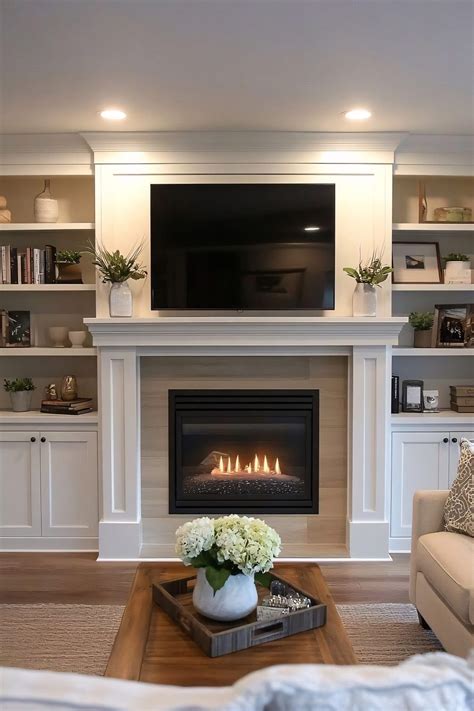
The living room often serves as the focal point of the home, making it the ideal location for impactful built-in shelving. Flanking a living room fireplace or framing a wall-mounted television with custom-depth cabinetry creates an integrated, high-end aesthetic. Rather than building completely from scratch, many DIYers anchor pre-made base cabinets to the wall and build vertical bookshelf towers directly on top, saving valuable construction time.
When planning your layout, keep standard U.S. ceiling heights in mind, which typically range from eight to nine feet. Constructing vertical uprights out of three-quarter-inch MDF or select pine provides a sturdy, warp-resistant foundation. Securing the outer frame firmly to wall studs guarantees stability, while adding decorative crown molding along the ceiling line masks minor imperfections and delivers a seamless, professional finish.
Maximizing Corner Space and Alcoves
Awkward living room corners and structural alcoves frequently go underutilized in standard floor plans. Installing custom floating corner shelves or small corner bookcases transforms these dead zones into functional display areas. By cutting custom geometric wooden panels to fit snugly into angular spaces, you create eye-catching focal points that draw the eye upward and make compact living areas feel significantly more expansive.
To ensure structural integrity in corners, anchor your support cleats securely into studs on both adjacent walls whenever possible. If studs are unavailable on one side, utilize heavy-duty toggle bolts rated for drywall to prevent sagging under moderate weight loads. Sanding all edges smooth and applying a satin enamel paint matching your baseboards will unite the new corner shelves with your home’s existing trim.
Creating Serene Bedroom Headboard and Nook Shelving
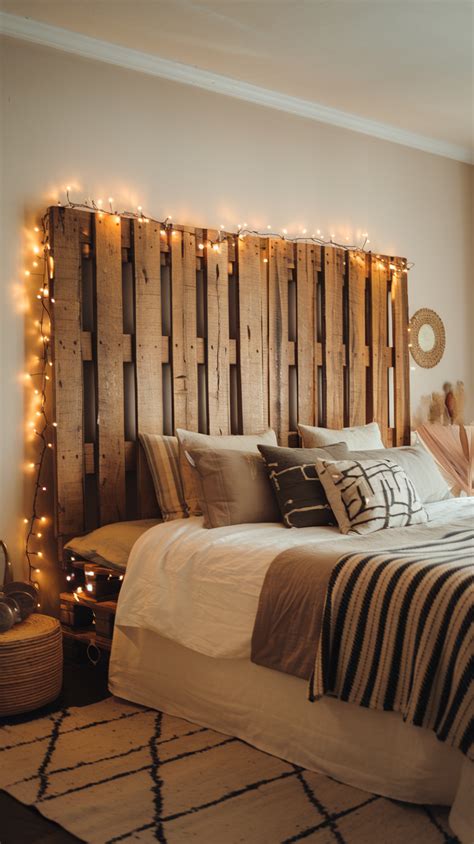
Bedrooms require storage solutions that feel calm, orderly, and visually lightweight. Constructing a built-in headboard shelf unit provides a clever alternative to traditional bedside tables, freeing up valuable floor space on either side of the mattress. Integrating shallow ledges directly above the bed allows you to display framed artwork, reading glasses, and bedside lighting without cluttering your sleeping area.
For a cozy reading nook in a bedroom corner, combine a built-in bench seat with vertical bookshelves extending up the wall. This dual-purpose design offers comfortable seating alongside organized book storage. Using lightweight plywood for upper shelves reduces the overall weight load on the wall, making installation safer and easier for weekend DIYers working without a partner.
Renter-Friendly Faux Built-Ins
If you rent your home or prefer to avoid cutting into permanent drywall, achieving a built-in look is still entirely achievable. Faux built-ins rely on modular bookcases secured to freestanding wooden frames rather than directly screwed into wall studs. By attaching matching trim pieces to the top and bottom of standard store-bought bookcases and caulking the seams against the wall, you create the illusion of permanent custom carpentry.
To protect your security deposit, use low-profile anchoring straps attached with minimal hardware that can be easily patched upon moving out. Painting the entire assembly in a rich, moody hue or a classic bright white unifies the freestanding units into a cohesive architectural statement that satisfies both aesthetic desires and lease restrictions.
Essential Finishing Techniques for a Professional Finish
The secret difference between amateur shelving and high-end custom built-ins often lies in the finishing work. Once your shelves are firmly installed, take the time to fill every nail hole with wood filler, let it dry completely, and sand it flush with the surrounding surface. Skipping this critical preparation step becomes immediately noticeable once paint or primer is applied.
Applying a generous bead of paintable acrylic latex caulk along every seam where the wood meets the wall or trim transforms the project. Smooth the caulk line with a damp finger or specialized tool to eliminate gaps and shadow lines. Finish with two coats of durable semi-gloss or satin interior paint, allowing proper curing time between coats to achieve a factory-smooth surface that withstands daily wear and tear.
Frequently Asked Questions
How can I build faux built-in shelves if I am renting?
You can create a renter-friendly faux built-in by securing standard modular bookcases to a lightweight floor-standing frame, adding face-framing trim, and caulking the edges. This mimics custom carpentry without permanent wall damage.
What materials are best for sturdy living room and bedroom shelving?
Three-quarter-inch MDF (Medium-Density Fiberboard) or select pine boards are ideal. MDF offers a perfectly smooth, warp-resistant surface for painted finishes, while select pine provides natural wood grain for stained projects.
How do I anchor heavy shelving safely to drywall in U.S. homes?
Always anchor your main support framing directly into wooden wall studs spaced 16 inches apart whenever possible. For sections falling between studs, use heavy-duty toggle bolts or rated drywall anchors to ensure safety.


