Selecting central and accent tables for an American living room involves much more than simply picking a style you like in a showroom. Whether you are furnishing an expansive suburban great room or a streamlined urban apartment, your coffee table set must anchor the seating arrangement while accommodating daily traffic flows. A thoughtfully chosen set creates functional balance, offers convenient surface space for lamps or drinks, and ties the entire room’s design narrative together.
Navigating the sheer variety of available configurations can feel overwhelming without a clear strategy. From traditional matching three-piece packages featuring a central cocktail table and two end tables to contemporary nesting arrangements, your decision should hinge on practical geometry, household routines, and material resilience. Examining these core criteria helps ensure your investment enhances both the comfort and visual appeal of your home.
Mastering Proportions and Sizing for U.S. Living Rooms
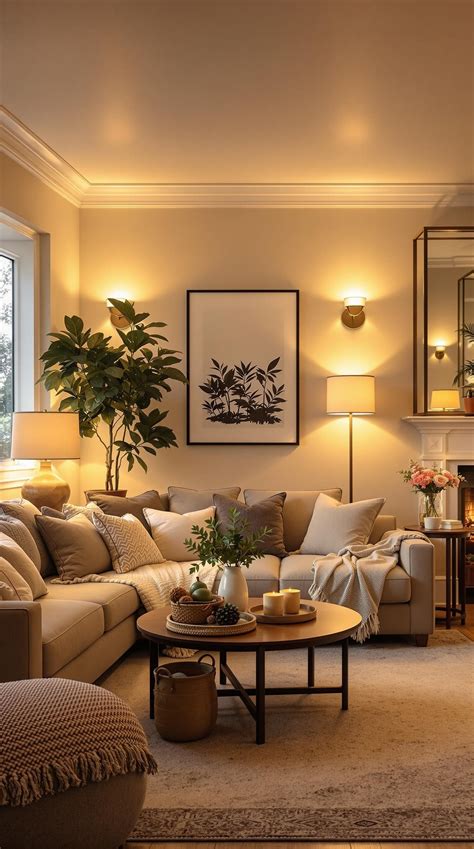
Scale remains the single most critical factor when shopping for a coffee table set. In many American homes featuring large sectional sofas or long three-seater couches, oversized or undersized tables disrupt the functional harmony of the space. To find the right proportions, a general rule of thumb is that your main coffee table should measure roughly two-thirds the total length of your sofa, leaving ample space on either end.
Clearance is equally vital for maintaining smooth traffic patterns, particularly in open-concept layouts where the living area transitions into the kitchen or dining room. You should aim to leave about 14 to 18 inches of clearance between the edge of the coffee table and your sofa or chairs. This ensures comfortable legroom while seated and easy reach for beverages or books without requiring awkward stretching or standing up.
Determining Ideal Heights for Sofas and Chairs
Table height dictates how comfortable your seating arrangement feels during everyday use. Standard American sofas typically feature seat heights ranging from 17 to 19 inches from the floor. As a baseline guideline, your coffee table should sit either level with your sofa cushions or slightly lower by one to two inches. Setting the table too high creates an imposing visual barrier, whereas placing it too low makes reaching items inconvenient.
End tables and accent pieces within a coordinating set require a different height consideration. Ideally, an end table should match the height of the armrest it sits beside, or at minimum, fall within an inch or two of it. If the armrest is unusually low, prioritize the height of the chair back or choose a table that aligns comfortably with seated eye lines for lamps and decorative objects.
Choosing Durable Materials for Everyday American Lifestyles

Household dynamics heavily influence which materials will serve your family best over the long term. Homes with young children, enthusiastic pets, or frequent gatherings require surfaces that withstand heavy wear and tear without demanding constant maintenance. Solid hardwoods like oak, maple, or walnut offer remarkable durability and hide minor scratches gracefully, while engineered wood products backed by reliable manufacturing standards provide budget-friendly alternatives.
Glass, metal, and stone introduce distinct architectural personalities but come with specific trade-offs regarding safety and upkeep. Tempered glass tops create an airy, expansive feel in smaller rooms but require frequent polishing to eliminate fingerprints and smudges. Meanwhile, stone surfaces like marble or travertine bring organic luxury and heat resistance, though they are porous and vulnerable to acidic spills if not properly sealed.
Evaluating Matching Sets Versus Mix-and-Match Arrangements
Purchasing a pre-packaged coffee table set—typically including a central cocktail table and matching end or console tables—offers immediate design cohesion. This approach eliminates the guesswork of matching wood tones, finishes, and leg styles, making it an efficient choice for homeowners who prefer a streamlined, uniform aesthetic across the entire room.
Conversely, mixing and matching individual pieces allows you to curate a more personalized, collected-over-time look that prevents a living room from feeling overly staged. If you choose separate pieces, anchor them with a common thread such as matching metal frames, a consistent finish undertone, or complementary geometric shapes. This curated approach provides flexibility if your seating configuration changes down the road.
Frequently Asked Questions
What size coffee table set do I need for my living room?
Your main coffee table should ideally measure about two-thirds the length of your sofa, leaving 14 to 18 inches of walking clearance around the edges. End tables should complement the height of your sofa or chair armrests.
Should I buy a matching coffee table and end table set or mix and match?
Matching sets provide effortless design consistency and save time on styling. Mixing and matching offers a curated, individualized look, provided you maintain a common design element like wood tone, leg style, or finish.
What materials are best for high-traffic U.S. family living rooms?
Solid hardwoods and textured wood veneers are exceptionally durable and hide everyday wear well. For households with young children, consider tables with rounded edges and sturdy metal or wood bases rather than sharp glass corners.


