Transforming an American house into a refined, comfortable sanctuary requires a deliberate approach to furnishing both interior rooms and exterior living spaces. Rather than treating the patio and the living room as completely separate design projects, modern homeowners increasingly view their properties as a unified ecosystem. By investing in premium furniture pieces that honor exceptional craftsmanship, you establish an enduring foundation of style, comfort, and everyday functionality.
Defining Premium Quality in Modern Furniture
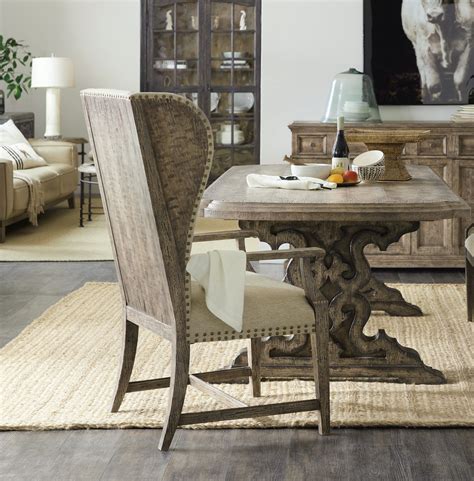
When shopping for high-end furnishings, distinguishing true craftsmanship from mass-market assembly is essential for long-term satisfaction. Premium indoor furniture typically relies on solid domestic or sustainably harvested hardwoods like walnut, white oak, or maple, utilizing time-tested joinery methods such as mortise and tenon rather than simple staples and glue. These structural integrity markers ensure that a dining table or accent chest can endure decades of daily family life without wobbling or losing its structural composure.
Upholstery tells a similar story of hidden quality. High-end sofas and armchairs feature eight-way hand-tied coil spring systems or high-resiliency foam wrapped in down-blend channels, providing supportive comfort that resists sagging. Furthermore, premium pieces are paired with performance fabrics that repel stains and resist fading without sacrificing a soft, inviting handfeel. Evaluating these interior construction details protects your investment and guarantees lasting aesthetic value throughout your home.
Curating Statement Pieces for Indoor Living Spaces
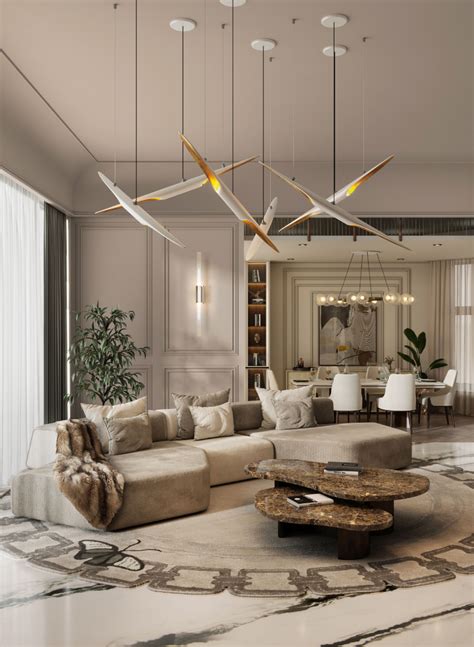
In open-plan American homes, statement furniture acts as an anchor that visually organizes expansive square footage. A monumental sectional sofa in a rich, textured weave or a sculptural solid wood dining table can establish the stylistic tone for an entire main floor. When placing these focal points, consider how traffic flows between the kitchen, dining zone, and primary seating area to ensure the room feels breathable and welcoming.
Balancing scale and proportion is another critical consideration when curating high-end interiors. Oversized rooms demand substantial furniture pieces with physical presence, whereas compact urban apartments benefit from streamlined silhouettes with exposed legs that maintain an airy visual footprint. Layering these statement items with refined accent tables, architectural lighting, and bespoke shelving creates a curated atmosphere rather than a showroom-style replica.
Weather-Resistant Luxury Furniture for Patios and Decks

Extending your living space outdoors demands furniture engineered to withstand diverse regional climates, from humid coastal environments to freezing northern winters. Premium outdoor options bypass flimsy plastics in favor of marine-grade teak, powder-coated aluminum, and UV-resistant synthetic resins that mimic natural wicker. Teak, for instance, possesses natural oils that repel moisture and insects, weathering gracefully over time to a sophisticated silvery patina when left untreated.
Comfort outdoors should mirror indoor lounging experiences, which is why luxury outdoor collections now feature quick-dry reticulated foam cushions covered in marine-grade canvas or solution-dyed acrylics like Sunbrella. These materials shed rain quickly, resist mold growth, and stand up to intense ultraviolet exposure during long summer afternoons. Choosing weather-resistant luxury items ensures your deck or patio remains a functional, beautiful retreat year-round.
Creating a Seamless Indoor-Outdoor Design Flow
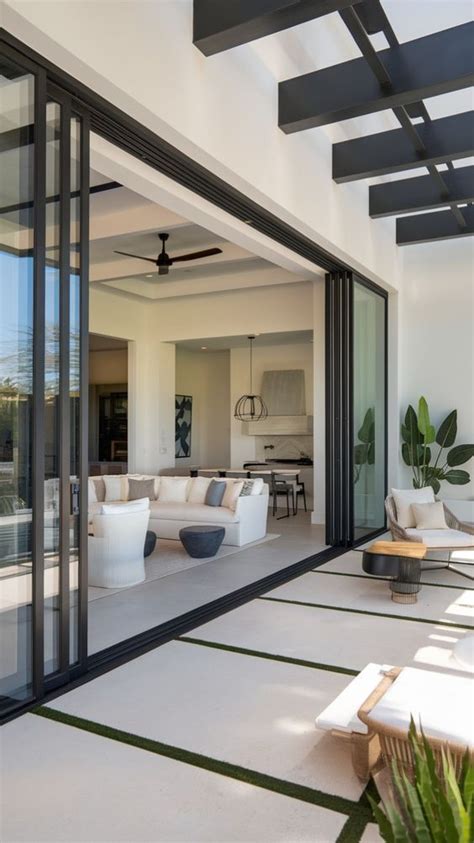
The hallmark of contemporary American interior design is the effortless transition between indoor rooms and exterior entertainment zones. Achieving this visual continuity involves aligning color palettes, textures, and architectural lines across the threshold. If your indoor living room features warm neutral tones and organic wood textures, echo those elements on the adjacent covered patio through matching throw pillows, teak accent stools, or woven pendant lighting.
Expanding glass wall systems, sliding patio doors, and flush threshold installations further blur the boundary between inside and outside. When furniture arrangements on the patio mirror the orientation of your indoor seating—such as facing an outdoor fireplace or a garden view—the entire property feels significantly larger and more cohesive. This harmonious integration elevates daily living and enhances your home’s capacity for hosting memorable gatherings.
Frequently Asked Questions
What makes premium furniture worth the higher initial investment?
Premium furniture utilizes superior construction techniques, such as solid hardwoods, mortise-and-tenon joinery, and high-resiliency cushioning. These materials and methods ensure exceptional durability, meaning the pieces last for decades, reducing the need for frequent replacements and offering better long-term value.
How do I protect outdoor furniture during harsh winter months?
While high-end outdoor materials like teak and powder-coated aluminum are built to endure the elements, investing in custom-fitted, breathable waterproof covers during severe winter weather extends their lifespan. Cushions should always be stored indoors in a dry, climate-controlled space when not in use for extended periods.
Can I mix different wood tones between my indoor and outdoor furniture?
Yes, mixing wood tones adds warmth and visual depth to your design scheme. To maintain a cohesive look, ensure the undertones match—such as pairing warm golden woods together—or anchor contrasting pieces with neutral textiles and consistent hardware finishes.


