Creating a living room that feels both welcoming and intentional starts with understanding how the space serves your daily life. Whether you are settling into a newly purchased suburban home or refreshing an urban apartment, the right furniture combination establishes both comfort and visual harmony. Rather than filling every empty corner with trendy pieces, successful curation focuses on selecting versatile anchor items that adapt to changing family needs, relaxation routines, and entertaining habits.
When planning your layout, it helps to evaluate the architectural flow of typical American floor plans, which often balance open-concept sightlines with defined gathering zones. By prioritizing pieces that offer tactile richness, durable construction, and balanced proportions, you can build a room that looks collected over time rather than styled straight from a showroom floor.
Selecting Your Anchor Sofa or Sectional
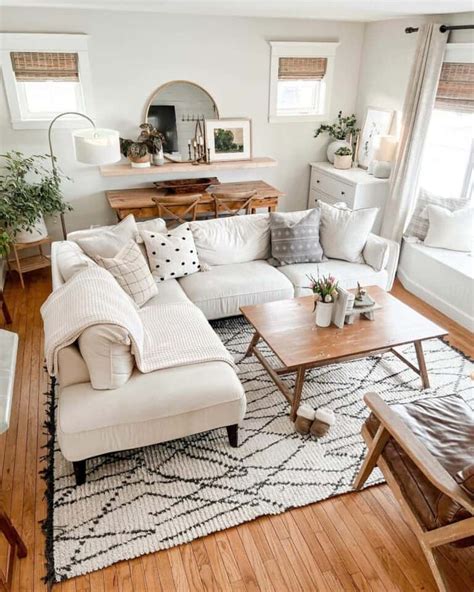
The sofa or sectional serves as the undeniable anchor of the living room, dictating both the furniture layout and the overall comfort level of the household. Selecting the right piece requires balancing physical scale against your room dimensions, ensuring there is enough clearance for natural pathways while still providing ample seating for family members and guests.
Upholstery choice also plays a vital role in everyday usability. Durable woven textiles, performance linens, and buttery top-grain leathers each bring different tactile qualities and maintenance profiles to a busy household. Investing in a timeless silhouette with neutral upholstery allows you to easily refresh accent pillows and throws as seasons change, protecting your core investment against shifting design trends.
Functional Surfaces and Coffee Tables
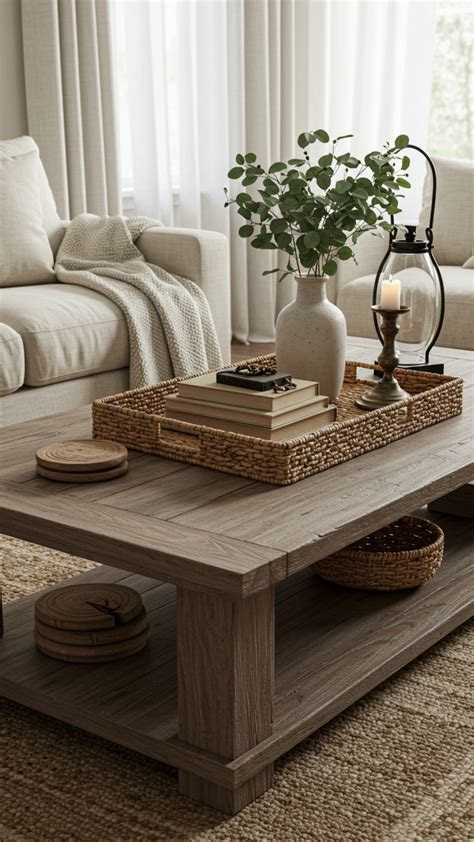
Surface space is essential for daily living, bridging the gap between aesthetic display and practical utility. A well-chosen coffee table anchors the center of the room, providing a landing spot for morning coffee, books, and decorative trays, while side tables offer necessary surface area for table lamps and drinking glasses near accent seating.
Consider materials that harmonize with your room’s flooring and existing woodwork. Solid oak, walnut, honed marble, and powder-coated steel each introduce unique textures and weight categories. If your living room doubles as a casual family workspace or game-night hub, prioritizing a table with concealed storage drawers or a lift-top mechanism can help maintain a clutter-free environment without sacrificing style.
Storage Solutions and Media Consoles
Managing everyday clutter is one of the biggest challenges in modern home design, making intelligent storage solutions an absolute necessity. Media consoles, low bookshelves, and modular storage cabinets help conceal electronic devices, cords, children’s toys, and extra textiles, keeping the visual field calm and orderly.
When positioning a media console, ensure it is wide enough to visually balance the television or artwork hanging above it. Incorporating closed cabinets alongside open shelving lets you display cherished collected objects while hiding less visually appealing items out of sight. Selecting wood finishes or painted cabinetry that coordinate with your architectural trim creates a seamless, built-in appearance.
Layering Accent Seating and Soft Textiles
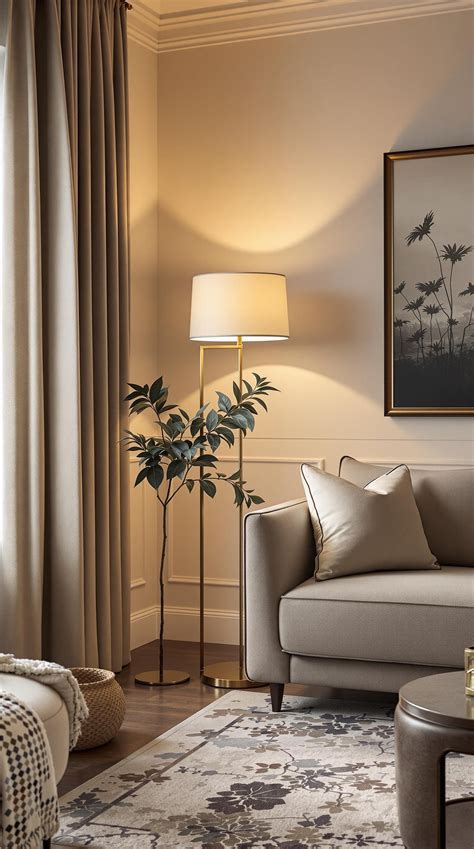
A truly comfortable living room invites lingering by offering a variety of seating options beyond the main sofa. Incorporating a dedicated lounge chair, a swivel chair, or a pair of leather poufs introduces flexibility, allowing you to easily adjust conversation circles for reading, hosting guests, or watching a movie.
Layering these seating elements with tactile soft goods—such as heavy wool rugs, textured drapery, and linen pillows—adds acoustic warmth and visual depth to the space. Balancing hard wooden surfaces with plush upholstered elements ensures the room feels inviting, lived-in, and perfectly attuned to the rhythms of American home life.
Frequently Asked Questions
What furniture pieces are truly essential for a new living room?
Every functional living room requires a comfortable anchor sofa, a practical coffee table for surface area, proper lighting through floor or table lamps, and at least one versatile accent chair or storage console to support your daily storage and seating needs.
How do I choose the correct scale of furniture for my room size?
Always measure your room dimensions and map out walkways before purchasing large items. Leave at least 30 to 36 inches of clearance for main walking paths, and ensure your coffee table sits roughly 14 to 18 inches away from your sofa for comfortable reach.
Can I mix different wood finishes and furniture styles cohesively?
Yes, mixing finishes creates a curated, collected aesthetic. To keep the look intentional, anchor the room with one dominant wood tone and introduce contrasting pieces through smaller accent tables or decor items that share a common design element like color saturation or hardware.


