Refreshing your living space does not require a complete architectural overhaul or an unlimited budget. Whether you are settling into a newly purchased suburban home or leasing a downtown apartment, the right decor updates can completely alter the atmosphere of your rooms. Across the United States, interior styling often balances the need for personal expression with practical spatial constraints. By focusing on high-impact changes rather than surface-level clutter, you can create a cohesive, inviting environment that genuinely reflects your lifestyle.
The secret to a successful interior refresh lies in prioritizing elements that offer the greatest visual return on investment. Lighting, textiles, and thoughtful wall treatments can transform a generic room into a curated sanctuary. Furthermore, distinguishing between permanent modifications and temporary styling hacks ensures that both homeowners and renters can execute these design ideas without violating lease agreements or committing to costly, irreversible changes.
Transforming Atmosphere Through Layered Lighting
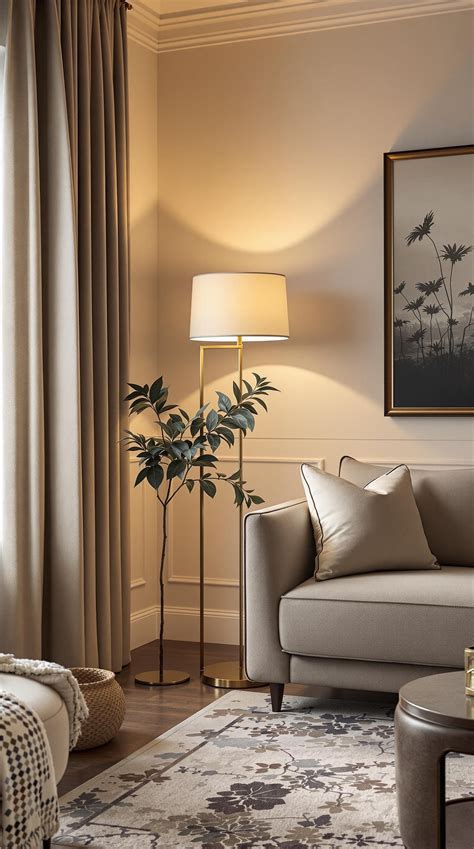
Overhead lighting in many standard U.S. rentals and homes can feel harsh and institutional, casting flat shadows that drain warmth from a room. Shifting toward a layered lighting scheme immediately softens the environment and introduces depth. Instead of relying solely on a central ceiling fixture, incorporate table lamps, floor lamps, and wall sconces to distribute illumination at different heights throughout the living space.
Homeowners have the freedom to hardwire new light fixtures, install dimmer switches, or replace builder-grade flush mounts with statement chandeliers. Renters, on the other hand, can achieve a similar custom look by using plug-in wall sconces that mount with minimal hardware, heavy-duty adhesive strips, or clever cord covers. Additionally, swapping standard lightbulbs for warm-temperature LEDs instantly changes the mood of a room from sterile to welcoming.
Introducing Texture and Depth With Textiles
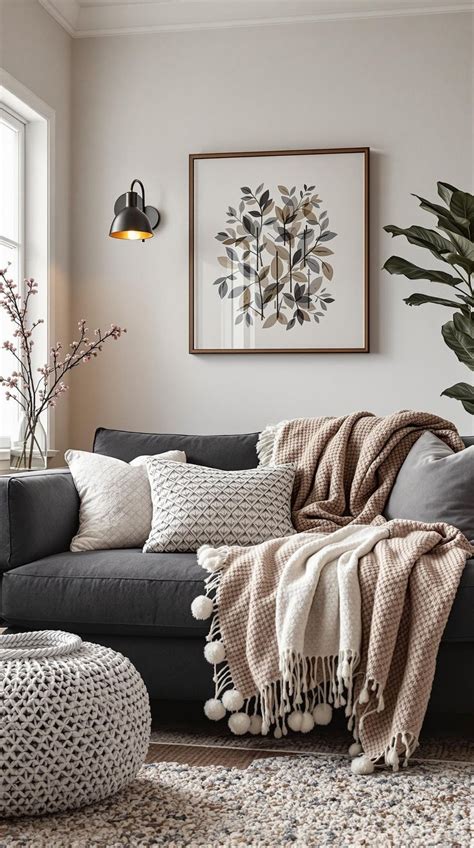
Textiles represent one of the most forgiving and versatile categories in home decor, making them ideal for budget-conscious updates. Introducing a variety of fabrics—such as linen, wool, velvet, and woven jute—breaks up monotonous color palettes and adds tactile dimension to your furniture and floors. Swapping out lightweight summer throw pillow covers for heavier, textured knits in the colder months provides an easy seasonal transition.
For renters and homeowners alike, area rugs serve as a powerful tool to define functional zones within open-plan layouts while covering uninspired flooring. A large, high-quality rug anchors a seating arrangement and dampens echo in apartments with hard surface floors. When selecting window treatments, opt for floor-length drapery panels hung near the ceiling line rather than the window frame. This simple styling trick draws the eye upward, creating an illusion of higher ceilings and larger windows.
Personalizing Walls Without Compromising Your Deposit
Blank walls can make even a furnished room feel temporary and unpolished, yet hanging art often causes hesitation due to wall damage. For homeowners, mounting heavy frames, creating gallery walls, and installing floating shelves is a straightforward weekend project. However, renters must approach wall decor with caution to protect their security deposits at the end of their lease term.
Fortunately, modern hardware alternatives make it easy to display art safely without relying on standard nails. Heavy-duty picture-hanging strips can securely hold medium-sized wooden frames, while specialized leaning shelves allow you to display framed prints, photographs, and mirrors without making a single hole in the drywall. If you want to experiment with bolder patterns, temporary peel-and-stick wallpaper provides a stunning accent wall solution that peels away cleanly when you move out.
Frequently Asked Questions
How can renters hang heavy art without damaging drywall?
Renters can utilize high-capacity adhesive hanging strips designed for specific weight limits, or opt for leaning large-scale frames against the wall on furniture surfaces. Floor-standing easels and leaning display ladders also offer zero-damage alternatives for showcasing heavier pieces.
What is the most cost-effective way to update a living room?
Upgrading soft textiles—such as throw pillows, blankets, and area rugs—alongside changing your lighting strategy with warm-toned bulbs and secondary lamps offers the highest visual impact for a modest budget.
How do I choose a cohesive color palette for my home?
Start with a neutral base for large investments like sofas and rugs, then introduce two or three complementary accent colors through movable decor items like art, ceramics, and textiles to maintain visual harmony.


