Designing a living room that feels both cohesive and personally expressive can be a delightful yet challenging undertaking. Across the United States, architectural styles vary wildly from historic brownstones and suburban colonials to sun-drenched coastal bungalows and high-rise urban lofts. Because the living room typically functions as the primary gathering space in the home, it requires a careful balance of aesthetic charm, comfort, and practical spatial planning.
When curating a living room design, successful execution relies on understanding fundamental principles such as scale, lighting, and color distribution. Whether you are working with a sprawling open-concept floor plan or a compact apartment layout, tailoring your furniture selection and decor choices to a specific design narrative helps eliminate clutter and visual chaos. Exploring a diverse array of design styles provides the inspiration needed to build a room that accommodates your lifestyle while honoring your architectural surroundings.
Modern Farmhouse and Rustic American Living Rooms
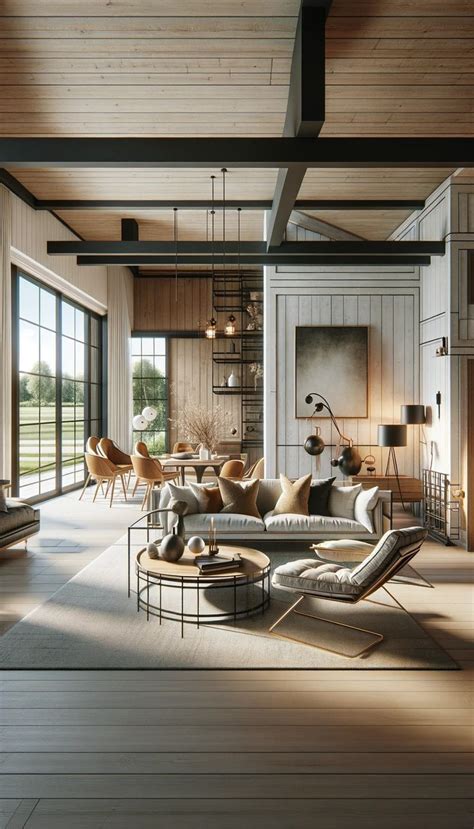
Modern farmhouse styling remains a beloved favorite in American home decor due to its welcoming, unpretentious atmosphere. This design approach bridges rustic architectural elements—such as exposed wooden beams, shiplap accent walls, or reclaimed wood coffee tables—with clean lines and contemporary comfort. Neutral color palettes featuring crisp whites, warm grays, and deep charcoals create a serene foundation, while black metal hardware provides a sharp, modern contrast.
To successfully execute a modern farmhouse living room without leaning into dated clichés, focus on mixing textures rather than accumulating themed signs and mass-produced accessories. Pair a distressed leather sofa with a woven jute rug, linen drapery, and tactile ceramic lamps. If you live in a newer suburban home lacking original architectural character, you can introduce rustic warmth through floating wooden shelves, a chunky media console, or an appropriately scaled slipcovered sofa that invites effortless everyday lounging.
Mid-Century Modern and Retro-Inspired Spaces
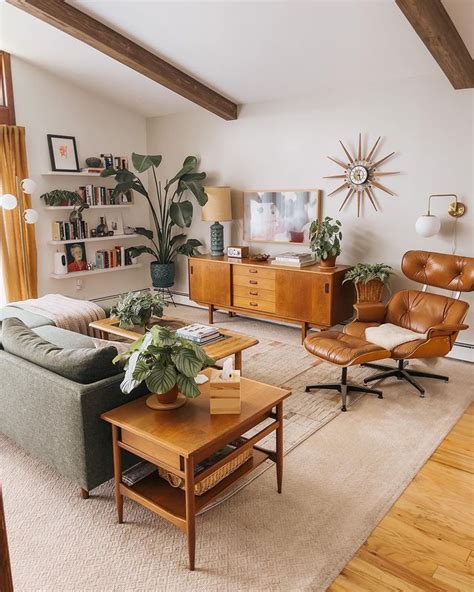
Mid-century modern design celebrates functional simplicity, organic shapes, and a seamless connection to the outdoors. Characterized by iconic furniture silhouettes featuring tapered wooden legs, low-profile sofas, and statement lighting fixtures like atomic chandeliers or arched floor lamps, this style brings effortless sophistication to American living spaces. It works particularly well in ranch homes and split-level properties that feature expansive windows and open-plan layouts.
Creating an authentic mid-century modern aesthetic involves balancing wood tones with bold, retro accent colors like mustard yellow, olive green, or burnt orange. Avoid overcrowding the room by keeping sightlines open and prioritizing furniture that floats within the space rather than hugging every wall. Incorporating abstract art prints, geometric patterned cushions, and teak or walnut sideboards reinforces the timeless appeal of this enduring design movement.
Coastal and Beach House Living Room Aesthetics
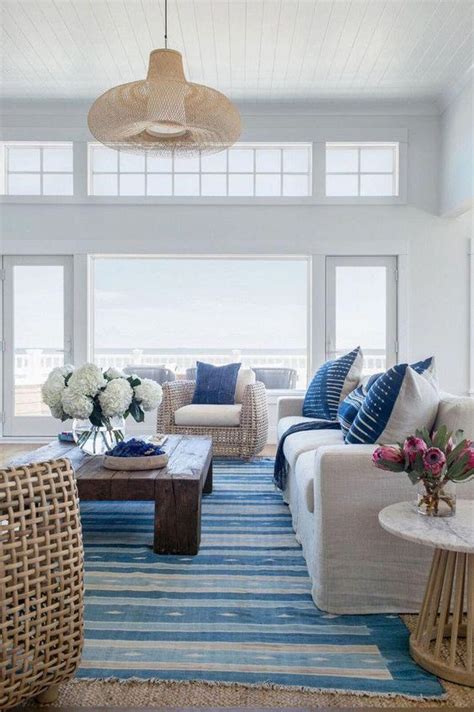
Coastal interior design channels the relaxed, restorative energy of seaside living, making it popular far beyond actual beachfront properties. Rather than relying on overt nautical themes, sophisticated coastal living rooms emphasize airy natural light, breathable fabrics, and a soothing color palette inspired by sand, sea, and sky. Soft blues, sandy beiges, crisp whites, and pale seafoam greens establish a tranquil backdrop that makes any room feel larger and more luminous.
Achieving this look relies heavily on tactile materials that celebrate nature. Incorporate slipcovered seating in performance cotton or linen, whitewashed wood accents, rattan coffee tables, and glass decorative elements. Large windows should remain unhindered by heavy drapes, allowing sunlight to flood the space and bounce off polished hardwood or light tile floors, creating an enduring vacation-at-home ambiance.
Urban Industrial and Loft-Inspired Living Rooms
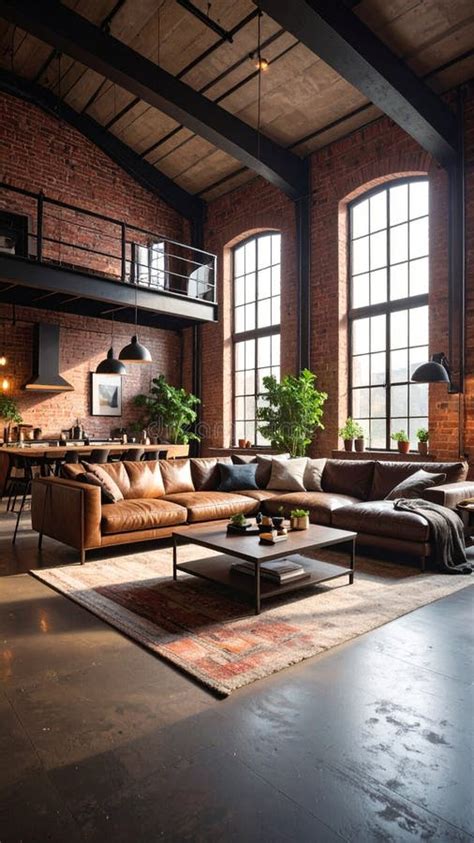
Industrial design draws heavy inspiration from converted factories, warehouses, and urban architecture, making it a natural fit for city apartments and modern architectural builds. Key defining features include raw, unfinished elements such as exposed brick walls, concrete flooring, iron ductwork, and structural steel beams. The overall mood is rugged, moody, and undeniably sophisticated, favoring substance and structural honesty over delicate ornamentation.
Balancing the inherent coldness of raw industrial materials requires careful layering of cozy textiles and warm lighting. Pair a distressed Chesterfield leather sofa with a reclaimed wood and iron coffee table, and anchor the arrangement with a vintage wool rug. Incorporate Edison bulb light fixtures, metal shelving units, and large-scale abstract artwork to complete a balanced urban living space that feels grounded, welcoming, and rich with architectural character.
Small-Space Solutions for American Apartments and Homes
Maximizing functionality in a compact American living room requires smart spatial planning and multi-purpose furnishings. Whether you reside in a downtown studio apartment or a cozy suburban bungalow, small spaces benefit from furniture with exposed legs that allow light to flow underneath, creating an illusion of expansive square footage. Opt for nesting coffee tables, storage ottomans, and wall-mounted media consoles to keep floor space clear of clutter.
Lighting and verticality play crucial roles in opening up smaller rooms. Hang curtain rods near the ceiling line and extend drapes down to the floor to draw the eye upward and accentuate ceiling height. Mirrors strategically placed opposite windows reflect natural light, instantly brightening dark corners. By carefully editing your decor pieces and selecting versatile, appropriately scaled furnishings, you can achieve a curated look that feels open, airy, and entirely functional.
Frequently Asked Questions
What are the defining characteristics of popular American living room styles?
Popular American living room styles range widely, but common themes include the warmth and texture of modern farmhouse design, the clean lines and organic shapes of mid-century modern, the airy neutrality of coastal decor, and the raw architectural elements of urban industrial interiors. Each style prioritizes a balance between everyday comfort and visual harmony.
How can I mix different design styles in my living room without it looking cluttered?
Mixing styles successfully relies on maintaining a cohesive color palette and letting one dominant style anchor the room while a secondary style provides accent touches. For example, you can pair a traditional sofa with mid-century modern side chairs by ensuring they share a complementary color family and balanced scale.
What living room designs work best for small spaces or open-concept American homes?
Small spaces benefit greatly from multi-functional furniture, light-reflecting decor, and low-profile silhouettes that maintain open sightlines. Styles like Scandinavian minimalism, urban contemporary, and tailored transitional design work exceptionally well because they prioritize clean organization and purposeful styling over heavy ornamentation.
How do I choose a color palette that matches a specific interior design style?
A reliable approach is utilizing the 60-30-10 rule: 60 percent of the room is dedicated to a dominant neutral shade for walls and large furniture, 30 percent to a secondary tone for upholstery or rugs, and 10 percent to an accent color introduced through pillows, art, and smaller decor accessories.


