When planning a living room layout or investing in major furniture pieces, few items carry the enduring reputation of a quality leather sofa. Across American households, from urban high-rise apartments to sprawling suburban family rooms, leather seating consistently holds its ground against fast-moving interior design fads. This staying power is not merely a matter of prestige; it is rooted in a unique combination of structural resilience, sensory appeal, and remarkable adaptability to various decor themes. Understanding why these pieces remain a mainstay requires looking past the showroom floor and examining how leather actually performs in daily domestic life.
Choosing a centerpiece for the home involves weighing upfront costs against long-term satisfaction. While synthetic fabrics and performance textiles have advanced significantly in recent years, leather maintains distinct behavioral characteristics that appeal to homeowners seeking both style and low-stress upkeep. By evaluating how different grades of leather react to climate shifts, household traffic, and routine cleaning, buyers can make informed decisions that match their lifestyle requirements rather than just visual aspirations.
The Practical Advantages of Leather Durability
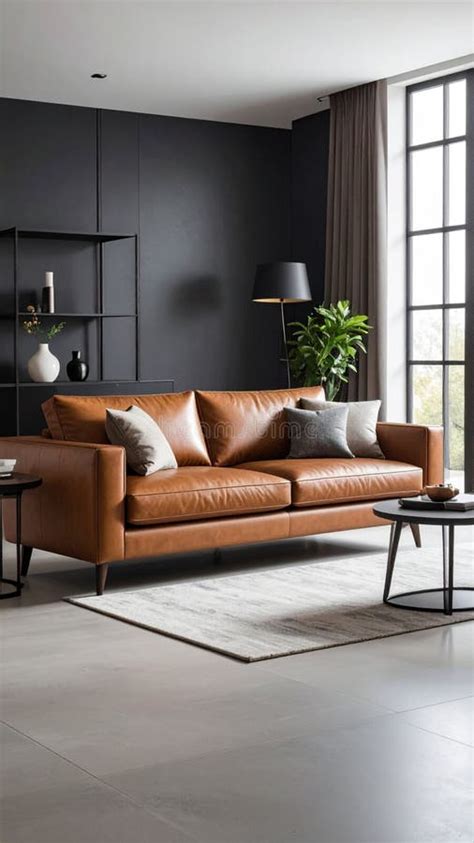
One of the primary drivers behind the enduring popularity of leather furniture is its exceptional structural durability. Unlike woven upholstery fabrics that trap dust mites, pet dander, and microscopic debris within their threads, genuine leather provides a solid, barrier-like surface. Spills that would permanently stain a cotton or linen sofa can typically be wiped away with a damp cloth if addressed promptly. This inherent resistance makes leather particularly appealing for busy households with young children or active lifestyles where accidental spills are a regular occurrence.
Furthermore, high-grade leather does not easily absorb odors from cooking, smoke, or pets in the same way textile fibers do. Over years of heavy use, fabric sofas often require professional steam cleaning or specialized deodorizing treatments to maintain freshness. Leather, by contrast, retains its clean tactile quality with minimal intervention, requiring only occasional dusting and specialized conditioning to prevent the hide from drying out. This straightforward upkeep profile reduces long-term maintenance labor and keeps the furniture looking presentable over many years of continuous family gatherings and daily lounging.
Aesthetic Versatility Across Design Styles
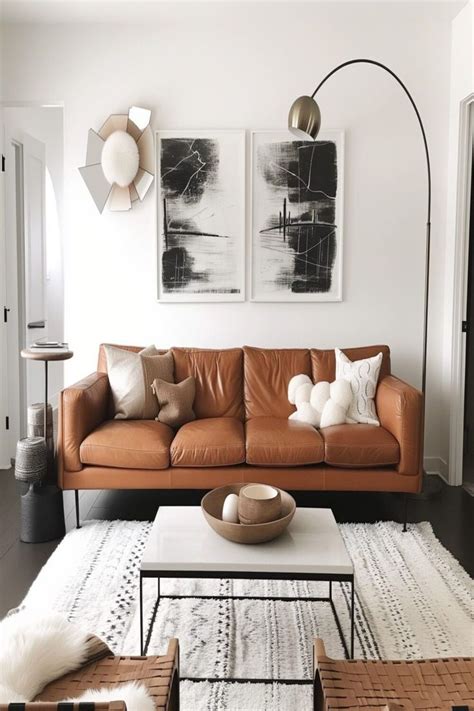
Design flexibility is another major factor explaining why leather seating remains a favorite among interior stylists and homeowners alike. The material possesses a natural texture and rich tonal depth that effortlessly bridges multiple aesthetic genres. In a sleek, modern urban loft, a streamlined cognac or black leather sofa introduces warmth and industrial character without cluttering the visual field. Conversely, in a traditional country home or a cozy rustic cabin, a distressed brown leather Chesterfield adds a sense of heritage, grounding the space with organic warmth.
The color palette of leather has also evolved well beyond the traditional dark browns and blacks of the past. Modern furniture collections frequently feature hides dyed in sophisticated shades of camel, slate gray, forest green, and deep navy. These versatile neutral and semi-neutral tones allow homeowners to pair leather sofas with an array of throw pillows, patterned rugs, and accent chairs. As wall colors and seasonal decor trends shift over the years, a well-chosen leather sofa acts as a stable foundation that easily accommodates new design directions.
Navigating Leather Grades and Quality Realities
Not all leather furniture is created equal, and understanding the distinct tiers of quality is essential before making a purchase. Full-grain leather represents the highest standard, utilizing the entire hide with all its natural markings intact. It breathes exceptionally well, feels luxurious to the touch, and develops a magnificent, rich patina as it ages. Top-grain leather is slightly processed to remove surface imperfections and treated with a protective finish, making it more resistant to stains while maintaining a soft, supple handfeel.
On the more budget-friendly end, split leather and bonded leather utilize lower layers or reconstituted scraps, which generally lack the longevity and breathability of full or top-grain options. While bonded leather may offer an accessible price point for renters or temporary spaces, it is prone to peeling and cracking over time. Recognizing these structural differences helps buyers align their budget with realistic expectations regarding lifespan, touch, and aging behavior.
Climate Adaptation and Comfort Realities
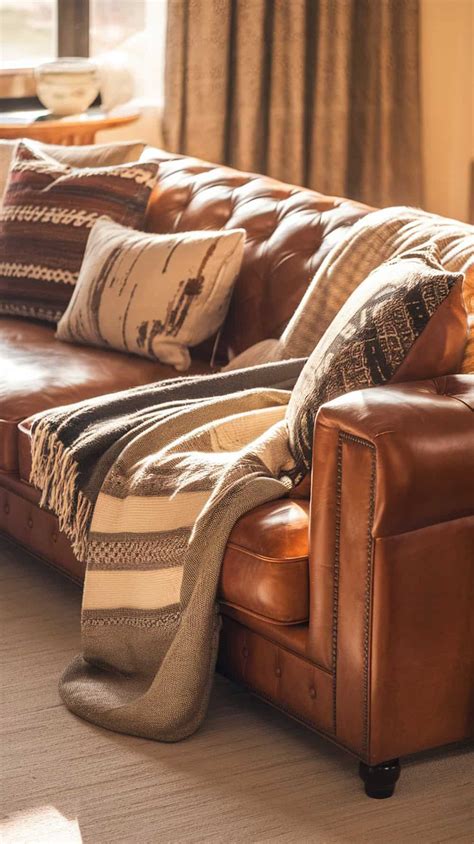
A common concern for prospective buyers revolves around thermal comfort—specifically whether leather furniture becomes uncomfortably hot in the summer or freezing cold in the winter. Because leather is a natural, porous material, high-quality hides generally adjust to ambient room temperatures fairly quickly. However, homes in extreme climates with high humidity or harsh winters may notice a brief adjustment period when sitting down, particularly if the room itself is not climate-controlled.
To mitigate seasonal temperature issues, many homeowners use tactile layering strategies. Placing a soft wool or cotton throw blanket over the seating area during colder months adds an extra layer of coziness, while lightweight linen or cotton decorative pillows can break up direct skin contact during humid summer weeks. Ultimately, the breathable nature of top-grain and full-grain leather ensures that it remains comfortable for long movie marathons or reading sessions, provided the room’s overall climate is managed reasonably well.
Frequently Asked Questions
Do leather sofas scratch easily from pets?
Cats and dogs with unclipped claws can scratch leather, particularly softer full-grain or top-grain varieties. However, finished leathers offer reasonable resistance to light surface marks, and minor scuffs on distressed leather often blend into the natural patina over time.
How often does a leather sofa need conditioning?
As a general guideline, conditioning a leather sofa every six to twelve months helps maintain its natural oils and prevents the hide from drying out or cracking, especially in homes with dry heating systems or intense sunlight exposure.
Are leather sofas hypoallergenic?
Yes, leather is widely considered hypoallergenic because it does not harbor dust mites, pet hair, pollen, and other common indoor allergens that typically become trapped within the fibers of woven fabric upholstery.


