Designing a modern living room requires a careful balance between striking visual aesthetics and the practical demands of daily life. In many U.S. homes and apartments, the living room serves multiple functions: a quiet space to unwind, a home office corner, a play area, and a hosting hub for family and friends. Modern design is uniquely suited to handle these competing demands because it prioritizes clean lines, open pathways, and purposeful furnishings. Rather than relying on ornate details or cluttered surfaces, a contemporary approach emphasizes simplicity, comfort, and intelligent space planning that adapts to your household rhythm.
Whether you own a spacious suburban house with an open-concept layout or rent a compact urban apartment, achieving this balance is entirely possible with targeted styling choices. By focusing on flexible furniture, layered lighting, and neutral color foundations punctuated by thoughtful textures, you can create a space that feels both curated and genuinely livable. The key is understanding how to make every square foot work harder without sacrificing the serene, uncluttered look characteristic of modern interior design.
Defining Modern Aesthetics for U.S. Floor Plans
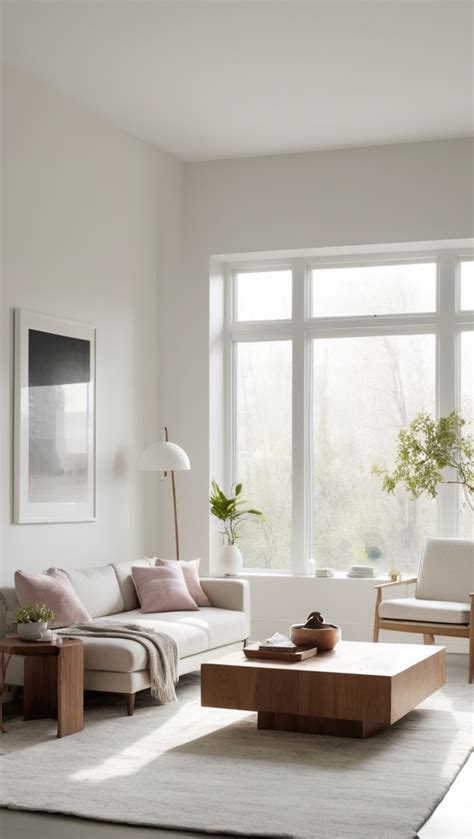
Modern living room design moves away from heavy, matching furniture sets in favor of a curated look that feels collected over time. In typical American layouts, which often feature large windows, open-concept transitions to the kitchen, or occasionally awkward traffic flow, establishing a clear focal point is essential. Start by arranging your primary seating toward a natural anchor, such as a fireplace, a media console, or a large architectural window, rather than simply pushing all your furniture against the perimeter walls.
Maintaining an airy, spacious feel relies heavily on choosing low-profile furniture with visible legs. Sofas and accent chairs that lift off the floor allow light to travel underneath, visually expanding the room’s footprint. This strategy is particularly effective in suburban ranch homes or city apartments where maximizing floor visibility prevents the space from feeling cramped. Keep decorative accessories minimal and purposeful, opting for a few oversized statement pieces rather than an accumulation of small knick-knacks that create visual clutter.
Smart Space-Saving Furniture and Multi-Functional Layouts
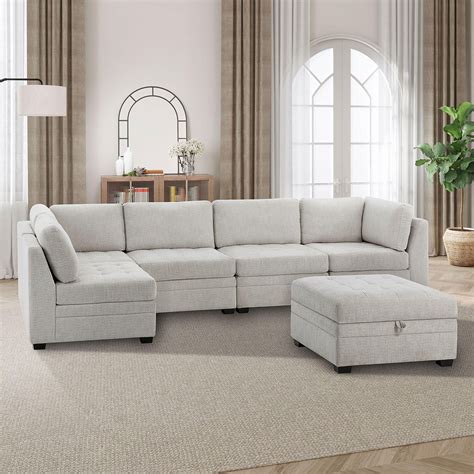
Modern living spaces frequently have to accommodate multiple activities within a single footprint. Investing in multi-functional furniture is one of the most effective ways to solve layout challenges without sacrificing style. Consider replacing a traditional coffee table with a storage ottoman that can hide extra throw blankets, board games, or children’s toys while doubling as a footrest or extra seating when guests arrive over the weekend.
For smaller apartments or multi-use rooms, modular sectionals offer unmatched versatility because you can reconfigure the chaise or layout as your spatial needs change. Nesting tables are another brilliant modern staple; they provide surface area when entertaining but tuck neatly away underneath one another when floor space is at a premium. When selecting these pieces, look for durable fabrics like performance velvets or heavyweight woven textures that withstand everyday wear while maintaining a sophisticated appearance.
Balancing Lighting, Color, and Tactile Textures
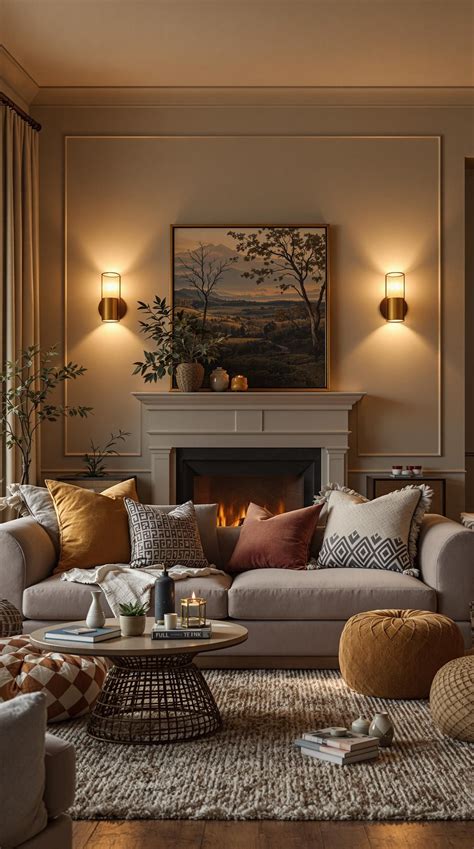
A successful modern interior avoids stark, cold minimalism by layering lighting, warm neutral color palettes, and tactile materials. Relying on a single overhead light fixture often flattens a room; instead, build a warm ambiance by combining floor lamps, table lamps, and accent lighting at different heights. Dimmers are an invaluable addition, allowing you to easily transition the room from a bright, energized workspace during the day to a cozy, intimate retreat in the evening.
Color palettes in modern American homes typically lean toward warm whites, soft grays, taupes, and earthy terracotta or olive undertones. Introduce visual depth through tactile layering rather than loud patterns. Combine a smooth leather armchair with a chunky knit wool throw, a matte ceramic vase, and a woven jute rug. This interplay of materials adds rich character to neutral color schemes, ensuring the living room feels inviting, grounded, and deeply comfortable for everyday lounging.
Renter-Friendly Updates for Modern Living Rooms
Renters often face design limitations due to strict lease agreements that prohibit painting walls, changing light fixtures, or drilling permanent anchors. However, you can easily achieve a high-end modern look using non-permanent solutions. Peel-and-stick wallpaper makes a stunning statement behind a sofa or media console, instantly creating an accent wall that can be cleanly removed when it is time to move out.
Lighting and window treatments also offer massive visual impact without permanent modifications. Swap out builder-grade floor lamps for sculptural arch lamps that plug into standard wall outlets, and hang curtain rods using heavy-duty adhesive hooks or tension rods mounted just below the ceiling line to make your windows appear larger. Area rugs are another powerful renter tool, allowing you to completely cover dated or worn carpeting while defining distinct conversation zones in open-plan rentals.
Frequently Asked Questions
How do I make a small living room look modern and feel spacious?
To make a compact living room feel larger and more modern, choose low-profile furniture with exposed legs to let light flow underneath. Keep window treatments minimal to maximize natural light, and use large-scale art or a single statement mirror rather than a cluttered gallery wall. Sticking to a cohesive, light neutral color palette will also unify the space and enhance openness.
What are the best multifunctional furniture pieces for modern homes?
Storage ottomans, modular sectionals, nesting coffee tables, and console tables that pull out into desks are exceptional choices for modern homes. These pieces maximize utility without sacrificing aesthetic appeal, helping you keep everyday clutter neatly contained.
How can renters update their living room without permanent changes?
Renters can dramatically transform their living rooms by using peel-and-stick wallpaper for accent walls, upgrading lighting with plug-in wall sconces and stylish floor lamps, and layering large area rugs to cover flooring. Using tension rods or damage-free hanging strips allows you to display art and window treatments securely without damaging drywall.
What color schemes define a modern American living room?
Modern American living rooms frequently utilize warm neutral foundations such as creamy whites, soft grays, greige, and warm taupes. These shades are often accented with earthy, grounding tones like olive green, terracotta, charcoal, and deep navy, creating a calm and balanced atmosphere.


