Investing in quality leather furniture transforms an ordinary U.S. living room into a sophisticated, highly functional sanctuary. Unlike fabric upholstery that traps dust and shows wear quickly, genuine leather offers a unique combination of tactile warmth, timeless resilience, and refined aesthetic appeal. However, navigating the furniture market requires looking beyond the showroom shine to evaluate what truly makes a piece durable and comfortable for daily living.
When shopping for American living spaces, homeowners must balance structural integrity with lifestyle needs. Whether you are outfitting an open-concept suburban home or a cozy urban apartment, understanding the nuances of leather grades, frame construction, and long-term upkeep ensures your investment will look better and feel more comfortable as the years go by.
Decoding Leather Grades: Full-Grain, Top-Grain, and Beyond
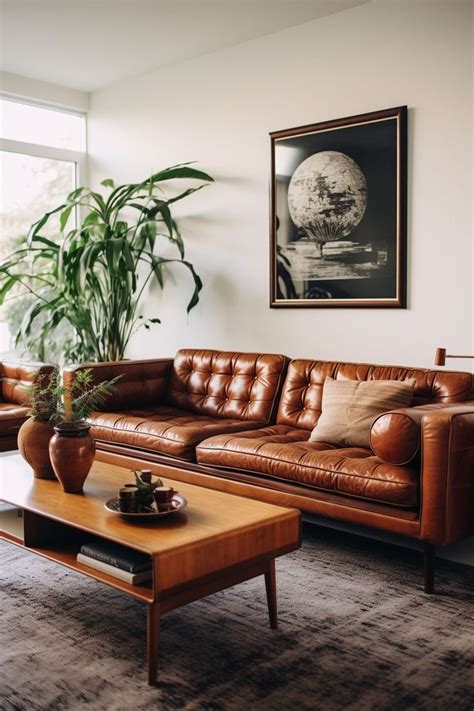
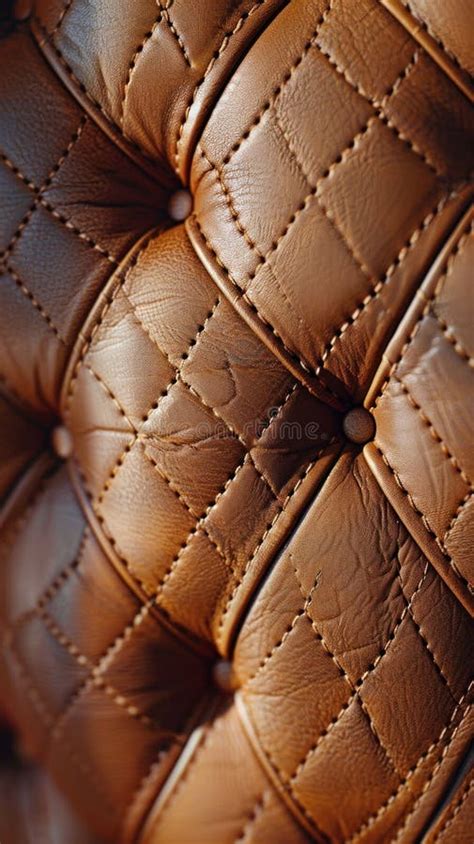
The longevity and tactile experience of your furniture depend almost entirely on the grade of leather used. Full-grain leather is the highest quality available, utilizing the entire hide with all of its natural markings and imperfections intact. Over time, full-grain leather develops a rich patina, softening noticeably while remaining exceptionally strong and resistant to tearing.
Top-grain leather is the most common choice for premium furniture, having had the very top layer lightly sanded or buffed to remove natural blemishes. This process creates a more uniform appearance while maintaining a high level of durability and suppleness. Lower grades, such as split leather or bonded leather, consist of leftover scraps fused together with adhesives and synthetic coatings, making them significantly more prone to peeling and cracking within a few years of moderate use.
Evaluating Internal Craftsmanship: Frames and Suspension
A luxurious leather cover is only as good as the internal framework supporting it. Before purchasing any seating arrangement, inspect the frame construction to ensure it is built from kiln-dried hardwood rather than lightweight particle board or soft pine. Kiln-dried wood prevents warping and twisting as seasonal humidity fluctuates across different regions of the United States.
Equally important is the suspension system hidden beneath the cushions. High-end sofas typically feature eight-way hand-tied springs or heavy-gauge sinuous steel coils that distribute weight evenly and prevent sagging. Avoid pieces with weak elastic webbing that loses tension quickly, as proper suspension is vital for maintaining ergonomic lumbar support during long evenings of relaxation.
Styling Leather Furniture in Modern American Homes
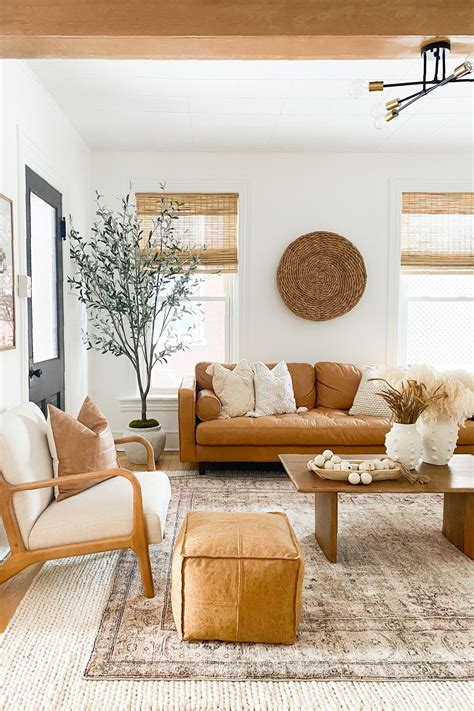
Leather furniture brings an inherent sense of weight and architectural presence to a room, making thoughtful spatial planning essential. In a bright, open-concept living room with neutral walls, a rich cognac or caramel leather sofa acts as a warm anchor that grounds the entire color palette. Pairing this warm tone with textured wool rugs and woven throw pillows keeps the space feeling inviting rather than austere.
For urban apartments or minimalist modern interiors, sleek black, charcoal, or dark espresso leather furniture creates a sharp, tailored look. To prevent darker leather from feeling heavy or cavernous, balance the seating with light oak side tables, brushed brass accents, and plenty of ambient lighting to reflect surfaces and add dimension.
Practical Care Strategies for Active Households
Many homeowners hesitate to purchase leather furniture out of concern for daily maintenance, especially in households with children or pets. In reality, protected leather surfaces are remarkably forgiving, resisting liquid spills far better than woven fabrics if wiped away promptly with a damp, lint-free cloth.
Routine care involves little more than dusting with a soft cloth and applying a specialized leather conditioner once or twice a year to prevent drying out. While cat claws and sharp pet toys can puncture even the toughest hides, choosing thicker top-grain or full-grain finishes combined with slight distress marks makes minor pet wear look like part of the furniture’s natural character.
Frequently Asked Questions
What is the difference between top-grain and full-grain leather?
Full-grain leather uses the complete hide with no surface alterations, allowing it to develop a rich patina over time while maintaining maximum durability. Top-grain leather has had the outer layer lightly sanded to remove natural imperfections, offering a more uniform look and a softer initial feel while remaining highly durable.
How can I tell if a leather sofa is high quality before buying?
Check the product specifications for solid kiln-dried hardwood frames and robust suspension systems like eight-way hand-tied springs. Touch the leather to ensure it feels supple and warm rather than plastic-coated, and verify that the manufacturer uses genuine top-grain or full-grain hide rather than bonded leather.
Is leather furniture a good choice for homes with pets?
Yes, because leather does not trap pet hair or dander like fabric upholstery does, and minor liquid spills can be wiped clean easily. However, cats may be tempted to scratch textured surfaces, so look for thicker, distressed leathers that conceal minor marks effectively.


