Decorating an apartment living room often presents a unique set of design puzzles. You want a space that feels deeply personal, highly functional, and completely up to date, yet you have to work around strict square footage limits and lease agreements that forbid painting or permanent alterations. Fortunately, modern interior design philosophy increasingly values adaptability over square footage, making it an exceptional year for clever apartment styling and smart material selection.
By shifting focus toward multifunctional pieces, inventive lighting, and non-permanent architectural details, you can completely transform a builder-grade or compact rental into a sophisticated sanctuary. Whether you are aiming for a serene minimalist palette or a rich, texture-heavy aesthetic, these thirteen innovative ideas provide a strategic blueprint to refresh your apartment living room without overwhelming the room or breaking your budget.
1. Embrace Multifunctional and Modular Furniture
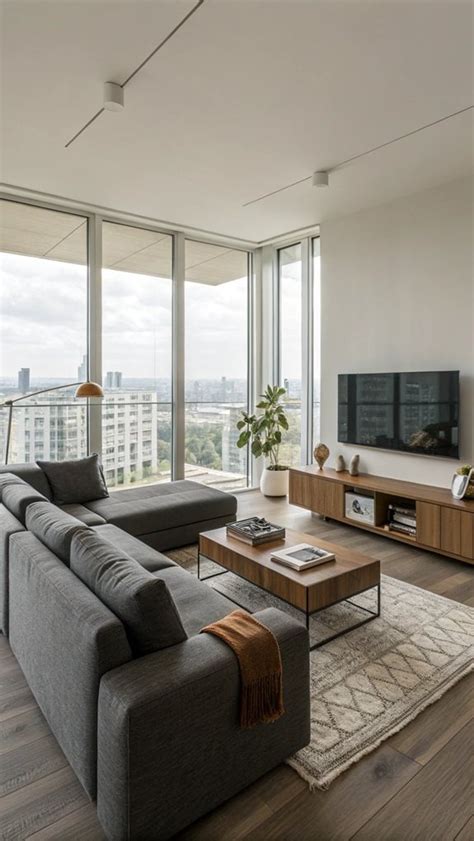
In smaller footprint layouts, single-purpose furniture pieces frequently consume valuable floor space without earning their keep. Opting for modular sofas, nesting coffee tables, or storage ottomans allows your living room to shift effortlessly between a relaxed lounging space, a productive home office, and a hosting area for weekend guests.
When selecting modular pieces, look for designs with clean lines and exposed legs rather than heavy, skirted silhouettes. Elevated furniture creates an unobstructed line of sight across the floor, which visually expands the boundary of the room. A nesting table set can be tucked away completely when floor space is needed for stretching out, then pulled apart to create auxiliary surface areas when friends visit.
2. Install Renter-Friendly Statement Walls
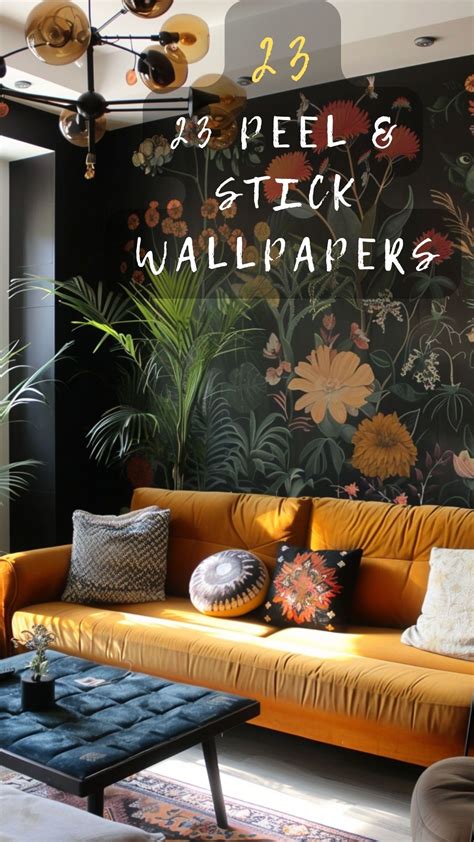
Plain white drywall can make an apartment feel sterile and temporary, but permanent wallpaper or custom millwork is rarely an option for renters. The current market for peel-and-stick murals, textured grasscloth decals, and high-quality removable wallpaper has evolved drastically, offering sophisticated patterns that mimic high-end architectural finishes.
Consider applying a bold, moody botanical print or a textural linen-look adhesive paper to a single accent wall behind your sofa or media console. This draws the eye inward, establishes an immediate focal point, and creates the illusion of depth in narrow rectangular rooms. Best of all, these materials peel off cleanly when your lease expires, keeping your security deposit entirely safe.
3. Layer Textures to Combat Neutral Monotony
When relying on rental-approved neutral paint colors, the secret to avoiding a flat or lifeless interior lies in rich material layering. Instead of adding color, introduce visual weight and tactile interest by combining boucle upholstery, raw wood accents, brushed brass fixtures, and woven jute or wool rugs.
Mix materials with intention by placing a smooth, polished concrete side table next to a heavily textured, chunky-knit throw blanket. This deliberate juxtaposition prevents monochromatic rooms from feeling cold or clinical. By curating a balanced variety of surfaces, you create a dynamic, inviting atmosphere that feels thoughtfully designed rather than hastily assembled.
4. Optimize Vertical Real Estate with Floating Storage
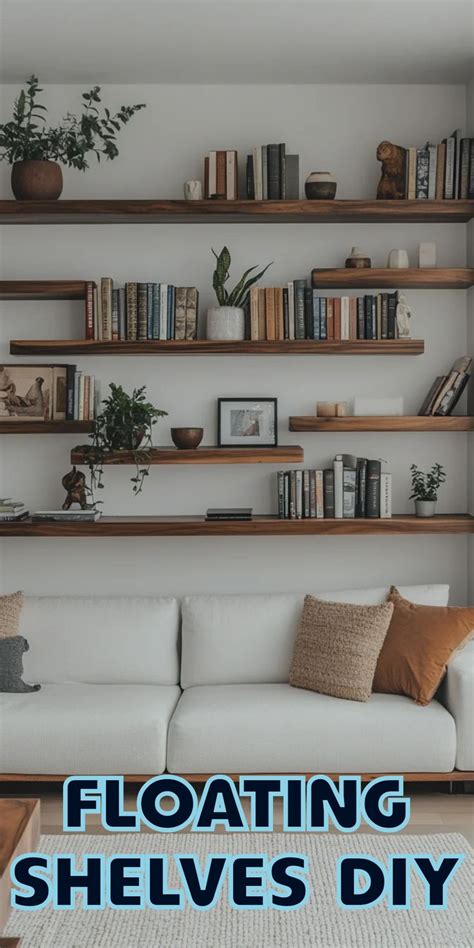
Floor space in apartments is a precious commodity, which means your walls must work harder to support your storage and styling needs. Rather than crowding the perimeter with heavy bookshelves or bulky media cabinets, install vertical floating shelving systems that draw the eye upward toward the ceiling.
Use these upper shelves to display curated book collections, trailing plants, and sculptural ceramics, leaving the lower zones clean and uncluttered. Vertical alignment tricks the human brain into perceiving ceilings as higher and rooms as larger. For renters concerned about wall anchors, tension-rod shelving units and heavy-duty adhesive mounting brackets offer secure alternatives that minimize drywall damage.
5. Rethink Apartment Lighting Through Layered Illumination
Overhead flush-mount apartment lights frequently cast a harsh, unflattering glare that flattens a room’s aesthetic. Elevating your living room atmosphere requires abandoning the single overhead fixture in favor of a layered, multi-source lighting scheme placed at varying heights.
Combine sleek floor lamps with adjustable arc designs, sculptural table lamps on credenzas, and subtle LED strip lighting tucked behind media units or floating shelves. Incorporating warm-toned smart bulbs allows you to shift the mood from bright, functional daylight during work hours to an intimate, amber glow in the evening, instantly adding architectural warmth to any standard rental box.
6. Carve Out Micro-Zones with Oversized Area Rugs
Open-concept apartments or studio-adjacent living rooms often suffer from a lack of spatial definition, making furniture arrangements look accidental. Using a generously sized area rug acts as a visual anchor that establishes clear boundaries for the living zone without erecting physical barriers.
Ensure your rug is large enough so that at least the front legs of all seating furniture rest comfortably upon it. A properly scaled rug pulls disparate chairs and sofas together into a cohesive conversation cluster, while also providing crucial sound absorption in apartments with hard surface flooring.
7. Maximize Natural Light with Strategically Placed Mirrors
Dark corners and narrow floor plans can make an apartment living room feel confined. Hanging a large architectural mirror opposite or perpendicular to your main window instantly bounces natural daylight deeper into the interior space.
Choose frames that complement your overarching design style, such as a sleek black metal profile for industrial spaces or an organic arched wooden frame for warm, transitional rooms. This simple adjustment tricks the eye into registering double the depth and openness.
8. Hang Curtains High and Wide
Standard builder-grade window frames can make ceilings feel surprisingly low. By installing your curtain rods several inches above the window frame—closer to the ceiling line—and extending the rod past the window casing, you create an optical illusion of grander architectural proportions.
Select lightweight linen or cotton drapery panels that pool slightly on the floor or brush the baseboards. This vertical extension draws the eye upward and makes even modest apartment windows look like expansive, floor-to-ceiling glass installations.
9. Incorporate Living Greenery and Botanical Focal Points
Bringing nature indoors instantly revitalizes sterile apartment environments and improves everyday air quality. Instead of cluttering every surface with small potted plants, anchor a neglected corner with a tall statement plant like a fiddle-leaf fig, bird of paradise, or a cluster of varied snake plants.
Utilize plant stands of varying heights to create dimension, or hang trailing pothos vines from macramé hangers or high shelves. Greenery adds organic movement and vibrant color that counterbalances rigid architectural lines.
10. Choose Legs and Open Bases to Maintain Visual Flow
Heavy, boxy furniture that sits directly on the floor cuts off visual pathways, making compact rooms feel congested. Prioritize sofas, media consoles, and accent chairs that feature slender, elevated legs.
This design choice allows light to travel underneath the furniture pieces, tricking the brain into perceiving a larger floor area. It also makes routine vacuuming significantly easier, combining practical home maintenance with clean, airy aesthetics.
11. Use Dual-Purpose Room Dividers for Studio Layouts
If your living room shares space with a home office or bedroom alcove, consider a freestanding slatted wooden screen or an open-backed bookshelf as a room divider. Unlike solid walls, these pieces filter light while maintaining a sense of separation.
An open bookshelf divider doubles as a functional library and display gallery while establishing privacy for work-from-home setups or sleeping quarters, giving multi-use apartments a custom, zoned architecture.
12. Soften Acoustics with Textiles and Wall Hangings
Apartments often suffer from hollow echoes and hard surfaces that bounce sound. Introduce plush textures not just for looks, but for acoustic comfort. Thick woven wall hangings, upholstered acoustic panels disguised as art, and heavy velvet throw pillows absorb ambient noise.
These tactile additions turn a loud, echoey box into a cozy, quiet retreat where you can relax without hearing every hallway footstep or outside street noise quite so clearly.
13. Curate a Minimalist, Rotating Gallery Display
Avoid wall clutter by keeping your art focused and intentional. Instead of hammering dozens of nails into the wall, install a single floating picture ledge. This allows you to swap out framed prints, personal photographs, and sketches seasonally.
A picture ledge keeps your walls adaptable, prevents permanent wall damage, and provides a curated focal point that evolves right along with your personal style and seasonal preferences.
Frequently Asked Questions
What are the top living room decor trends for apartments?
Key trends focus on hyper-functional modular furniture, rich material layering over neutrals, renter-friendly peel-and-stick architectural details, and sophisticated multi-source lighting plans that replace harsh overhead fixtures.
How can I decorate a small apartment living room without making it feel cramped?
To prevent a small living room from feeling overcrowded, choose furniture with exposed legs to maintain visual floor flow, utilize vertical wall space for storage, and stick to a cohesive, restrained color palette.
What are the best renter-friendly ways to update a living room?
Renters can dramatically transform their spaces using removable peel-and-stick wallpaper, plug-in wall sconces that require no hardwiring, tension-rod shelving, and large area rugs to cover outdated flooring.
How do I make a neutral apartment living room look modern?
You can modernize a neutral room by mixing contrasting textures such as boucle, brushed brass, raw timber, and woven textiles, paired with clean-lined contemporary furniture silhouettes.


