The living room serves as the central hub of most American homes, functioning as a space for movie nights, hosting friends, and unwinding after long workdays. For generations, choosing maximum comfort meant sacrificing visual appeal, often resulting in oversized, bulky armchairs that dominated the floor plan. Today, however, modern furniture design has successfully bridged the gap between ergonomic relaxation and sophisticated interior aesthetics. Contemporary recliner sofa sets feature clean lines, tailored profiles, and discreet mechanisms that deliver deep relaxation without disrupting a curated home decor scheme.
The Evolution of Recliner Aesthetics in Modern Living Rooms
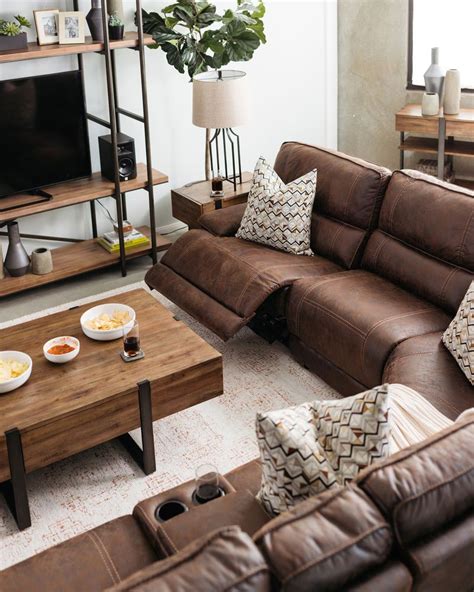
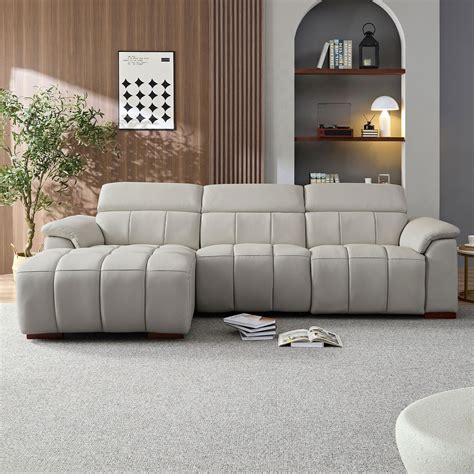
Historically, recliners were notorious for their overstuffed frames, exposed levers, and massive footprints that clashed with minimalist or transitional decor styles. Manufacturers have since reimagined these seating solutions, incorporating slim track arms, tapered wooden legs, and split-back cushions that mimic stationary designer sofas. When fully closed, a high-end reclining sofa looks indistinguishable from a standard luxury couch, keeping your living room looking intentional and stylish rather than strictly utilitarian.
This aesthetic transformation allows homeowners to embrace comfort-driven furniture without compromising their design vision. Whether your home leans toward mid-century modern, coastal casual, or urban industrial, there is a reclining configuration designed to complement your palette. By opting for tailored silhouettes and neutral upholstery, you can anchor your living room around a piece of furniture built for lounging while maintaining a refined visual balance across the entire space.
Choosing the Right Layout and Footprint for Your Floor Plan
Integrating a reclining sofa set requires careful spatial planning, particularly when navigating different American architectural layouts. Open-concept suburban homes often feature expansive great rooms that easily accommodate large sectional recliners, while urban apartments demand more compact two-piece sets or wall-hugger loveseats. Measuring your living area—accounting not just for the sofa’s stationary footprint, but for the extended footrest and reclining back clearance—prevents overcrowding and maintains natural traffic flow.
Understanding Wall Clearance and Mechanism Types
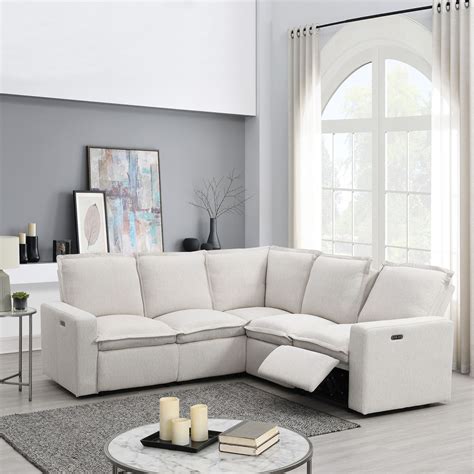
Traditional recliners require significant space behind the backrest to recline fully, which can pull the sofa away from walls and disrupt room symmetry. To solve this, wall-hugger recliners slide forward on a track as they recline, needing only a few inches of wall clearance. This makes them exceptionally practical for tighter layouts, apartment living rooms, or spaces where the sofa floats against a perimeter wall.
Weighing Manual Versus Power Reclining Features
Deciding between manual levers and motorized mechanisms depends on daily habits and household preferences. Manual recliners rely on body weight or pull-latches, offering mechanical simplicity and lower upfront costs. Power recliners, conversely, use quiet electric motors to adjust footrests and headrests to infinitely customizable angles. While power models require proximity to an electrical outlet or a rechargeable battery pack, they provide smoother, more precise ergonomic support for users with specific comfort needs.
Selecting Durable Upholstery Materials for Daily Living
Upholstery choice dictates both the tactile experience and the longevity of your sofa set, especially in busy households with children or pets. Genuine top-grain leather offers a timeless look, developing a rich patina over time while resisting everyday dust and minor spills. However, leather can feel cool in winter and warm in summer, making it worth considering how regional climate impacts your day-to-day comfort.
Performance fabrics, such as tightly woven chenille or stain-treated microfiber, provide a softer, more textured hand-feel while delivering heavy-duty stain resistance. These textiles breathe well across varied U.S. climates and conceal minor wear remarkably well. When shopping for family-friendly furniture, look for fabrics tested for high double-rub counts, which guarantee the textile can withstand years of frequent friction and daily lounging.
Styling Tips to Integrate Recliners Seamlessly Into Your Decor
Even the sleekest reclining sofa needs thoughtful styling to anchor it within a complete room design. Layering your seating area with complementary textures—such as a chunky knit throw blanket tossed over a corner or structured accent pillows in contrasting neutral tones—softens the leather or fabric surface. These accessories draw the eye upward and tie the furniture piece into the broader color scheme of rugs, curtains, and wall paint.
Lighting placement also plays a crucial role in styling a comfort-focused living room. Position a stylish floor lamp or adjustable reading sconce adjacent to the reclining end of the sofa to create a dedicated, inviting nook for evening reading. Grounding the entire furniture grouping with a large, high-pile area rug further defines the conversation zone, ensuring your functional recliner sofa set feels like an intentional centerpiece of modern home design.
Frequently Asked Questions
How can I find a recliner sofa that doesn’t look bulky?
Look for models featuring slim track arms, exposed wooden or metal legs, and tailored back cushions. Modern manufacturers design these pieces to look like standard stationary sofas when closed, eliminating the traditional overstuffed look.
What are the best upholstery materials for families and pets?
Performance fabrics with stain-resistant treatments and high double-rub counts are ideal for busy households. Alternatively, heavy-duty top-grain leather resists punctures and wipes clean easily, though it requires occasional conditioning.
How much space do I need to leave behind a wall-hugger recliner?
Wall-hugger recliners are specifically engineered to slide forward as they recline, typically requiring only 3 to 6 inches of clearance between the backrest and the wall behind it.
Are power recliners worth the investment for daily living?
Power recliners offer infinitely adjustable angles for footrests and headrests, making them superior for personalized ergonomic support. If you spend hours relaxing, reading, or watching television on the sofa, the smooth, quiet motorized adjustment is generally considered worth the added cost.


