Designing a compact American living room requires balancing comfort, functionality, and visual openness. Whether you occupy a narrow urban rental in Chicago or a cozy suburban starter home, working with limited square footage presents unique layout challenges. Fortunately, maximizing your space does not require a costly structural renovation. By adopting intentional design choices, you can completely change how a room feels and functions.
This comprehensive guide organizes practical strategies into actionable categories tailored for both renters and homeowners. From clever furniture scaling to damage-free wall organization, these insights help you unlock the full potential of your living space.
Mastering Layout and Furniture Scaling
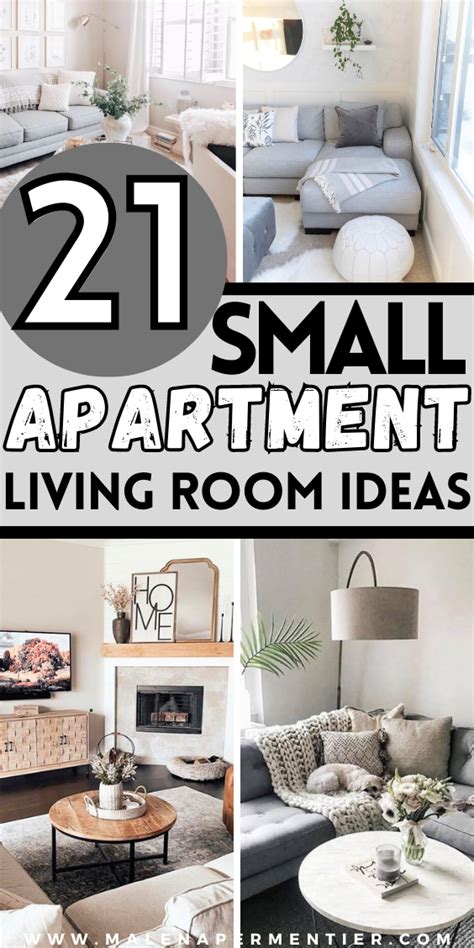
Finding the right balance in a small living room starts with how you position your seating and surfaces. Avoid the common pitfall of pushing every piece of furniture directly against the walls, which often creates an uninviting dead zone in the middle of the room. Instead, pulling your sofa even a few inches away from the wall can dramatically improve airflow and make the entire layout feel more deliberate and airy.

When selecting seating, prioritize visual lightness over oversized cushions. Look for sofas with exposed legs that allow light to travel underneath, preventing the floor plate from looking visually heavy. Maintaining at least 18 inches of clearance around your coffee table ensures comfortable movement while preserving an open pathway across the room.
Key Furniture Scaling Tips
- Choose apartment-scale sofas: Opt for shallow depths and clean track arms to save precious inches.
- Embrace nesting tables: Pull them out when entertaining guests and tuck them away when you need extra floor space.
- Incorporate glass or acrylic: Clear coffee tables or ghost chairs eliminate visual clutter by letting your eye travel straight through them.
- Use round silhouettes: Circular coffee tables remove sharp corners, making narrow or tight walkways much easier to navigate safely.
These thoughtful furniture choices prevent your main gathering space from feeling cramped or overwhelmed by heavy upholstery. Balancing physical dimensions with visual transparency creates a harmonious environment.
Harnessing Multifunctional Storage Solutions
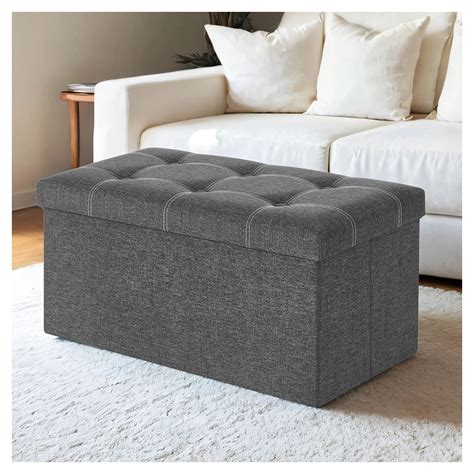
In compact living spaces, every single furnishing should ideally earn its keep by offering more than one primary function. Storage ottomans, lift-top coffee tables, and media consoles with deep interior cavities provide discreet zones to tuck away extra blankets, electronics, and books. This keeps your visible surfaces clean and uncluttered, which instantly makes a room feel larger.
Homeowners often invest in built-in perimeter shelving or custom media walls, but renters can achieve a similar tailored look using freestanding modular shelving units secured with anti-tip kits. Choosing furniture with built-in drawers underneath also prevents dust from gathering underneath low-profile seating while adding valuable capacity for seasonal items.
Clever Storage Hacks for Everyday Living
- Lift-top cocktail tables: Transform your coffee table into an impromptu laptop workspace or a comfortable dining surface.
- Storage benches: Place a upholstered bench beneath a window to double as casual seating and hidden linen storage.
- Console table desks: Slide a slim desk behind your sofa to act as a media drop zone or home office setup.
- Baskets and bins: Group loose cords and magazines inside textured woven baskets stored neatly under open console shelving.
Integrating these practical storage pieces ensures your living room remains functional and serene, keeping daily clutter out of sight without sacrificing personal style.
Expanding Space Through Light and Optical Illusions
Strategic lighting and mirror placement can dramatically alter your perception of room dimensions. Positioning a large vertical mirror opposite a primary window reflects natural sunlight deep into the interior, instantly brightening dim corners and making walls appear farther apart. Avoid heavy, light-absorbing drapery in favor of sheer linen panels hung close to the ceiling line to draw the eye upward.
Layered lighting is equally crucial for small spaces. Relying solely on a single overhead ceiling fixture casts harsh shadows that shrink a room’s perceived volume. Instead, combine table lamps, floor torcheres, and subtle LED picture lights to wash vertical surfaces in a soft, welcoming glow.
Illusion Techniques to Try
- High-hung curtain rods: Mount rods several inches above the window frame to create the illusion of soaring ceilings.
- Strategic mirror placement: Hang mirrors where they bounce light from adjacent rooms or hallways.
- Monochromatic color palettes: Keep wall colors and large upholstery tones within a tight tonal family to reduce visual interruptions.
- Sleek lighting fixtures: Choose wall sconces instead of bulky table lamps to keep side tables completely clear.
These visual tricks require minimal effort yet yield a noticeable expansion in how spacious your living area feels on a daily basis.
Renter-Friendly Upgrades That Protect Your Deposit
Renting a home in the United States often comes with strict lease restrictions regarding permanent alterations like painting, drilling heavy anchors, or swapping light fixtures. Fortunately, modern temporary decor solutions offer incredible style flexibility without risking your security deposit. Adhesive picture hanging strips, tension rod shelving, and peel-and-stick wallpaper accents let you personalize your space safely.
When modifying a rental living room, focus on high-impact, reversible updates. Upgrading throw pillow covers, layering an oversized patterned rug over generic wall-to-wall carpeting, and swapping cabinet hardware temporarily can make a standardized rental feel entirely custom-built for your personal aesthetic.
Smart Renter Modifications
- Command hooks and strips: Hang gallery walls or lightweight mirrors securely without leaving behind unsightly drywall anchors.
- Tension poles: Utilize spring-loaded room dividers or tension shelving units to create partitions or display zones.
- Removable window films: Add privacy or diffuse harsh street light without installing permanent blinds or shutters.
- Freestanding coat racks: Avoid wall-mounted hooks in small entry corridors by using sculptural standalone garment stands.
These temporary adjustments prove that you do not need to own property to create a curated, highly functional, and comfortable living room environment.
Frequently Asked Questions
How can I make a small living room look bigger without renovating?
You can make a small living room feel more expansive by choosing apartment-scale furniture with exposed legs, hanging curtains near the ceiling line to emphasize vertical height, keeping wall colors light and cohesive, and placing mirrors strategically to reflect natural light.
What is the best furniture arrangement for a narrow living room?
In a narrow layout, float your main sofa away from the walls rather than pushing everything to the edges. Use multifunctional pieces like nesting tables and round coffee tables to maintain smooth pathways and prevent sharp visual blockages.
How can renters add storage without damaging walls?
Renters can maximize storage safely by utilizing freestanding vertical shelving units with anti-tip straps, using storage ottomans and benches, sliding shallow bins underneath seating, and relying on tension-rod organizers.
Should I use a large rug in a small living room?
Yes. One common mistake is choosing a rug that is too small, which makes the room feel fragmented. A properly sized area rug where at least the front legs of your seating rest on it anchors the space and unifies the layout.


