Designing a compact American living room requires a careful balance between aesthetic appeal and everyday functionality. Whether you live in a coastal apartment with narrow floor plans or a suburban starter home with limited square footage, the latest interior design trends focus heavily on making every square inch count. Modern homeowners and renters alike are moving away from bulky furniture and heavy, dark color schemes in favor of airy layouts, multi-purpose pieces, and flexible decorating strategies that can adapt to changing lifestyles.
The primary challenge in small U.S. living spaces is avoiding visual clutter while accommodating essential seating, media storage, and personal style. Achieving a high-end look in a small footprint does not require a massive renovation budget. Instead, success relies on deliberate choices regarding scale, vertical space utilization, and intentional lighting. Below, we explore practical design strategies tailored to both renters who must protect their security deposits and homeowners looking for permanent space-maximizing solutions.
Embrace Multi-Functional Furniture for Compact U.S. Footprints
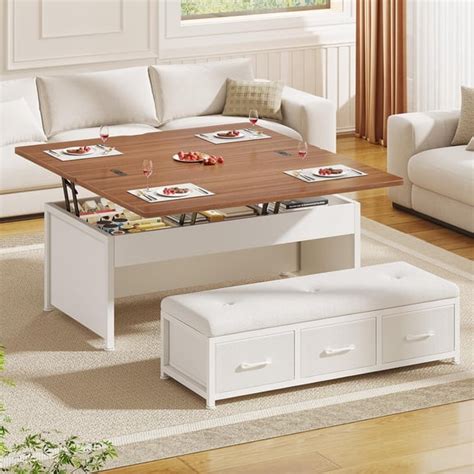
In smaller living rooms, traditional furniture arrangements often overwhelm the available floor area. Current design movements favor multi-functional items that serve more than one purpose without sacrificing comfort or visual elegance. Modular sectionals with built-in storage compartments, nesting coffee tables that tuck away when not in use, and sleek console desks that double as workspaces are staples of contemporary compact design.
When selecting furniture for a narrow or small American living room, prioritize pieces with visible legs rather than solid bases that sit directly on the floor. Elevated furniture allows light to pass underneath, creating an illusion of a larger, more open room. Homeowners can invest in custom built-in window seats with hidden storage drawers below, while renters can achieve a similar tailored effect by placing stylish storage ottomans beneath low-profile wall-mounted shelving units.
Strategic Color Palettes and Reflective Surfaces
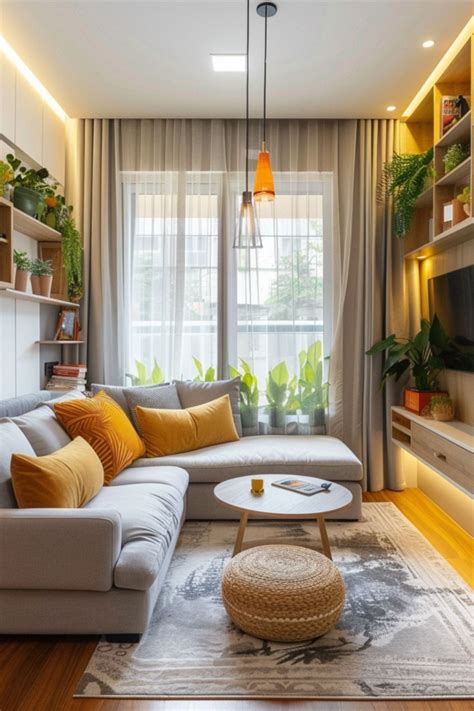
Color choice plays a massive psychological role in how we perceive room size. Current U.S. interior trends lean into warm minimalism, utilizing creamy off-whites, muted terracottas, and soft sage greens rather than stark, cold hospital whites. These gentle, earthy tones bounce natural light around the room, instantly softening the boundaries of tight walls and creating a cozy, welcoming atmosphere.
To amplify this luminous effect, strategically place mirrors opposite windows to reflect outdoor scenery and daylight deeper into the space. Homeowners can install large, custom floor-to-ceiling mirror panels for a dramatic architectural upgrade. Meanwhile, renters can achieve a nearly identical spatial expansion using oversized leaning mirrors framed in wood or matte metal, which require no wall anchors and move easily when your lease ends.
Renter-Friendly Versus Permanent Wall Treatments
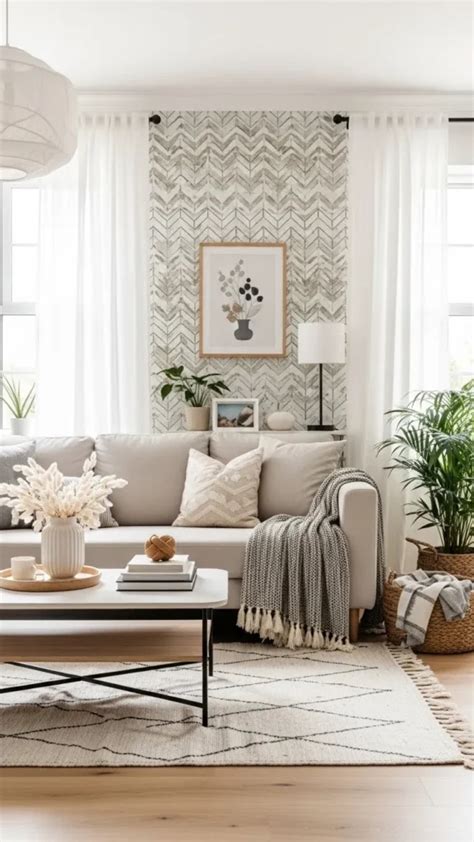
Wall treatments dramatically define the personality of a room, but they present a classic divide between renters and homeowners. Homeowners have the freedom to install classic board-and-batten wainscoting, textured plaster, or permanent built-in bookshelves to add architectural depth to a feature wall. These permanent upgrades add long-term character and visual weight that grounds a small seating area.
Renters, however, can tap into current design trends by utilizing high-end peel-and-stick wallpapers, removable wall murals, or fabric wall hangings. These non-permanent applications introduce pattern and rich texture without risking security deposits. Pairing a renter-friendly accent wall with picture-ledge shelving—which requires only a few small nail holes—allows you to display rotating art collections and family photographs without committing to permanent structural changes.
Frequently Asked Questions
What are the best colors to make a small living room feel larger?
Warm neutrals like creamy beige, soft greige, and pale earthy tones are currently trending in the U.S. because they reflect light while adding warmth. Avoid heavy, saturated dark colors unless you want to intentionally create a moody, intimate den atmosphere.
How can renters maximize storage without drilling into walls?
Renters can utilize freestanding vertical shelving units, over-the-door organizers, storage ottomans, and multi-functional coffee tables. Tension-rod shelving and heavy-duty adhesive hooks rated for specific weights also provide excellent temporary storage solutions.
Should small living rooms use large furniture or small furniture?
A common mistake is using too many tiny furniture pieces, which makes a room look cluttered. Instead, opt for a few well-scaled, substantial pieces—such as one comfortable sofa and a nesting coffee table set—rather than overcrowding the space with multiple small items.


