When designing a welcoming living space, few investment pieces anchor a room quite like a traditional leather sofa set. Characterized by tailored silhouettes, rich textures, and exceptional craftsmanship, these classic furnishings have remained a staple in American homes for generations. Whether you are furnishing a formal parlor or a cozy suburban family room, integrating a heritage leather set brings a distinct sense of warmth, history, and sophistication that synthetic materials simply cannot replicate.
However, bringing home a piece of furniture designed to last decades requires looking past initial visual impressions. Navigating the world of leather grades, frame construction, and spatial layouts can feel overwhelming for homeowners and renters alike. By understanding what defines authentic traditional craftsmanship and learning how to balance these substantial pieces with contemporary living requirements, you can curate a timeless interior that handles everyday life with effortless grace.
Recognizing Hallmark Traditional Leather Sofa Styles
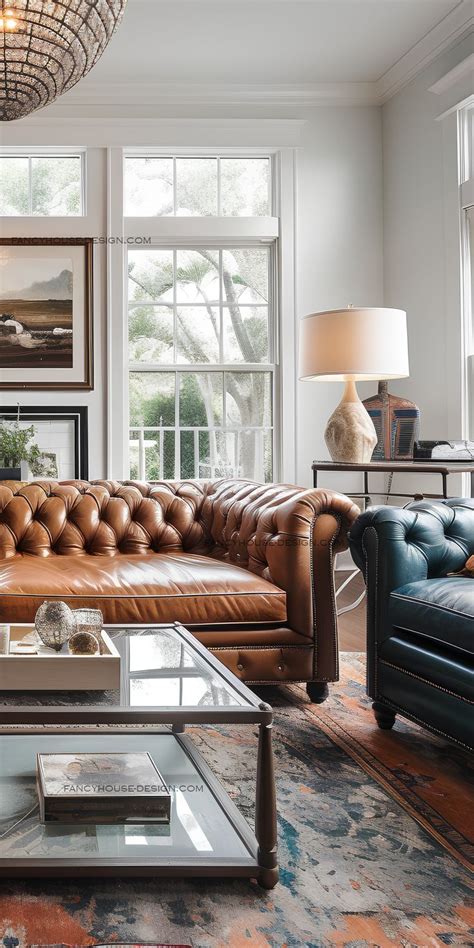
Traditional leather seating encompasses several iconic silhouettes, each rooted in historical furniture design yet adaptable to modern living room dimensions. The Chesterfield remains the most recognizable, defined by its deep button tufting, rolled arms that sit at the exact same height as the backrest, and classic nailhead trim. This silhouette commands attention and serves as an instant focal point in spacious, open-concept American floor plans.
Another classic silhouette is the English rolled arm sofa, which offers a more relaxed profile featuring gently sloped arms, plush cushions, and a tailored skirt or exposed wooden legs. Camelback sofas, characterized by a gracefully arched backrest that curves upward in the center, provide a formal, architectural elegance suited for sophisticated sitting rooms. Understanding these distinct silhouettes helps you match the sofa’s visual weight to your room’s overall proportions, preventing the furniture from overwhelming the space.
Evaluating Leather Quality and Craftsmanship
The longevity and aging process of a traditional leather sofa depend entirely on the grade of hide and the underlying frame construction. Full-grain leather, which utilizes the outermost layer of the hide with all its natural markings intact, represents the gold standard. Over decades of use, full-grain leather develops a rich patina, absorbing natural oils from daily life and becoming softer and more visually complex with age.
Top-grain leather is sanded slightly to correct minor imperfections and treated with a protective finish, making it more resistant to stains and easier to maintain for households with children or pets. Beneath the upholstery, look for kiln-dried hardwood frames joined with mortise-and-tenon construction and eight-way hand-tied coil springs. These interior markers ensure the sofa maintains its structural integrity, preventing sagging and frame warping through years of heavy family use.
Balancing Traditional Leather in Modern Interiors
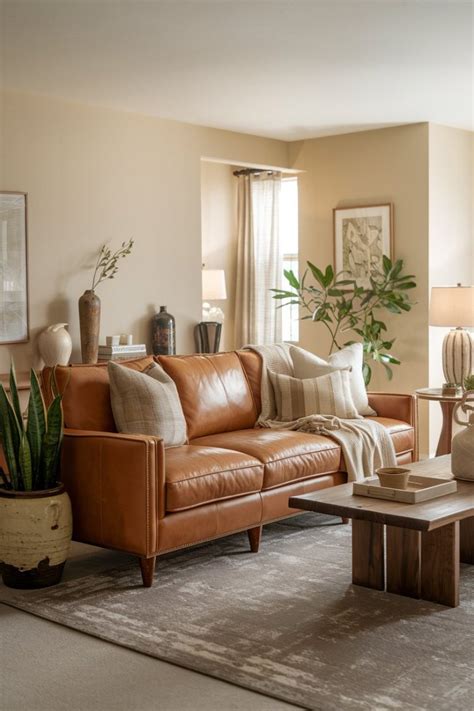
One common concern among homeowners is whether a heavy traditional leather sofa set will look dated or overly formal in a contemporary American home. The secret to successful integration lies in contrast and layering. Pairing a dark brown or oxblood leather sofa with lighter textile elements—such as linen drapery, woven area rugs, and patterned throw pillows in soft neutrals—prevents the room from feeling cavernous or somber.
In open-concept layouts, floating the sofa away from the walls and anchoring it with a large textured rug creates a distinct, intimate conversation zone. Incorporating metallic accents like brushed brass or wrought iron coffee tables bridges the gap between classic heritage style and modern architectural lines, resulting in a curated, collected-over-time aesthetic rather than a rigid showroom look.
Long-Term Care and Maintenance Practices
Maintaining the beauty of traditional leather furniture requires a consistent routine that protects the hide from drying out, cracking, or fading. Leather naturally responds to its environment, meaning sofas placed in direct sunlight or directly against heating vents will require more frequent conditioning. Dusting the upholstery weekly with a soft, dry microfiber cloth prevents abrasive particles from settling into the natural grain of the hide.
Every six to twelve months, applying a specialized leather conditioner helps replenish essential natural oils, keeping the material supple and resilient. In the event of minor spills, blotting immediately with a clean, damp cloth is far superior to scrubbing with harsh chemical cleaners. By committing to these simple preventive measures, you ensure your leather investment remains comfortable, beautiful, and structurally sound for generations to come.
Frequently Asked Questions
What makes a leather sofa set ‘traditional’?
Traditional leather sofa sets are defined by classic silhouettes such as Chesterfields, English rolled arms, or camelbacks. They typically feature enduring design details like button tufting, hand-applied nailhead trim, tailored skirts, and genuine full-grain or top-grain leather upholstery built on sturdy hardwood frames.
Will a traditional leather sofa fit into a modern or open-concept home?
Yes, traditional leather sofas work wonderfully in modern homes when styled with contrasting textures. By pairing the rich, dark leather with lighter textiles, contemporary lighting, and minimalist accessories, you create a balanced, layered space that avoids looking overly formal.
How do I protect leather furniture from pets and children?
If you have pets or children, opt for top-grain leather with a protective pigmented finish rather than delicate aniline leather. Top-grain varieties offer greater resistance to minor scratches and stains while still providing the luxurious look and feel of genuine leather.
How often should I condition a leather sofa?
As a general rule of thumb, condition your leather sofa every six to twelve months depending on your home’s climate and humidity levels. Homes in drier or warmer climates may require more frequent conditioning to prevent the leather from drying out and cracking.


