Planning a living room upgrade requires a clear understanding of current market conditions, material pricing, and labor rates. For U.S. residents navigating 2026 design projects, financial preparation starts with realistic expectations. Whether you own a suburban house or lease an urban apartment, defining your scope early prevents costly surprises and keeps your financial goals aligned with your aesthetic vision.
Average 2026 Living Room Remodel Costs by Tier
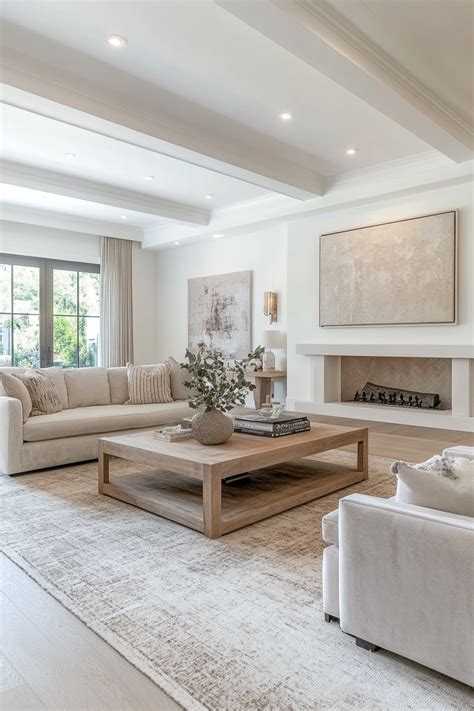
Remodeling expenses vary significantly based on the scale of your project. A minor cosmetic refresh relies on paint, updated throw pillows, and modular shelving, while a high-end renovation involves custom millwork, structural changes, and premium flooring materials. Understanding these distinct financial tiers helps you determine how much capital to allocate before requesting professional estimates.
Entry-level cosmetic updates generally range from $1,500 to $4,000, focusing primarily on surface-level changes like painting walls, swapping hardware, and introducing budget-friendly lighting fixtures. Mid-range renovations typically span $5,000 to $15,000, covering durable hardwood or luxury vinyl flooring installations, new seating arrangements, and upgraded window treatments. High-end transformations easily exceed $20,000, incorporating architectural details, custom built-ins, and professional electrical rewiring.
Itemized Cost Breakdown: Materials Versus Labor
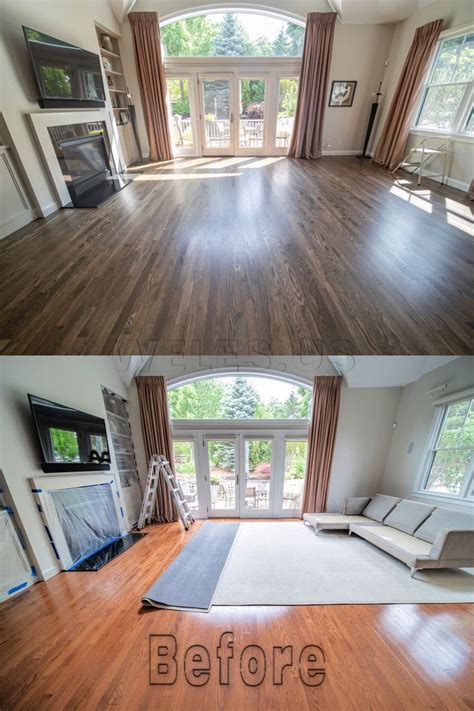
When analyzing project estimates, separating material costs from labor expenses provides essential transparency. General labor rates reflect regional economic trends and contractor demand across the United States. Skilled trade professionals such as electricians and flooring specialists command competitive hourly wages, which directly influence overall renovation budgets.
Flooring and installation labor frequently consume the largest portion of a mid-range budget, often ranging between $3,000 and $7,000 depending on square footage and material quality. Paint and wall treatments represent a more affordable category, usually costing between $500 and $2,000 for professional application. Furniture, lighting fixtures, and decor accessories fluctuate wildly depending on personal taste, but dedicating 30 to 40 percent of your total budget to furnishings ensures a cohesive, finished look.
Homeowner Versus Renter Strategies

Homeowners and renters face entirely different sets of financial and structural constraints when updating a living room. Property owners can invest in permanent structural improvements, custom millwork, and high-grade flooring that enhances long-term property equity. These capital investments yield high satisfaction and potential resale value.
Renters, conversely, must focus on reversible updates that protect their security deposit while still delivering personalized style. Temporary wallpaper, plug-in wall sconces, area rugs, and freestanding modular furniture allow apartment dwellers to completely transform their living spaces without breaching lease agreements. These portable enhancements travel with you when you move, maximizing the utility of your decorating budget.
Hidden Expenses and Contingency Budgeting
Unexpected expenses are an inevitable reality of remodeling. Opening up walls or removing old flooring frequently reveals hidden structural problems, outdated electrical wiring, or uneven subfloors that require professional remediation before finishing touches can be applied. Failing to account for these surprises can instantly derail a carefully planned financial strategy.
Industry professionals strongly recommend setting aside a contingency fund equal to 15 to 20 percent of your total project estimate. This financial buffer absorbs unexpected labor overruns, shipping delays, or material price fluctuations without forcing you to compromise on quality or leave your living room half-finished.
Frequently Asked Questions
How much does a living room remodel cost on average in 2026?
A typical living room remodel ranges from $1,500 for minor cosmetic updates to upwards of $20,000 for comprehensive high-end renovations, with mid-range projects averaging between $5,000 and $15,000.
How can renters update a living room without violating lease terms?
Renters can use non-permanent solutions such as peel-and-stick wallpaper, plug-in lighting fixtures, area rugs to cover unwanted flooring, and freestanding furniture instead of built-in shelving.
Why is a contingency fund necessary for room renovations?
A contingency fund of 15 to 20 percent covers unforeseen issues such as damaged subfloors, outdated wiring, or sudden material cost increases that surface mid-project.


