Designing a living room that successfully balances aesthetic appeal with everyday comfort requires thoughtful planning, especially when navigating the varying proportions typical of American homes. Whether you are working with a compact urban apartment or a sprawling suburban open-concept floor plan, introducing the right mix of textures, lighting, and layout configurations can entirely redefine the atmosphere. The key is to approach your space not as a static showroom, but as a dynamic environment that accommodates relaxation, family gatherings, and personal expression.
Bringing warmth and character into your main gathering space does not necessarily demand a complete renovation or an extravagant budget. Small, deliberate updates—such as anchoring furniture with a plush area rug, introducing layered ambient lighting, or styling a focal point around a mantel—can make a profound difference. By understanding how different design elements interact within standard U.S. room dimensions, you can curate a personalized interior that feels both sophisticated and deeply inviting.
Establishing Warmth Through Color Palettes and Layered Lighting
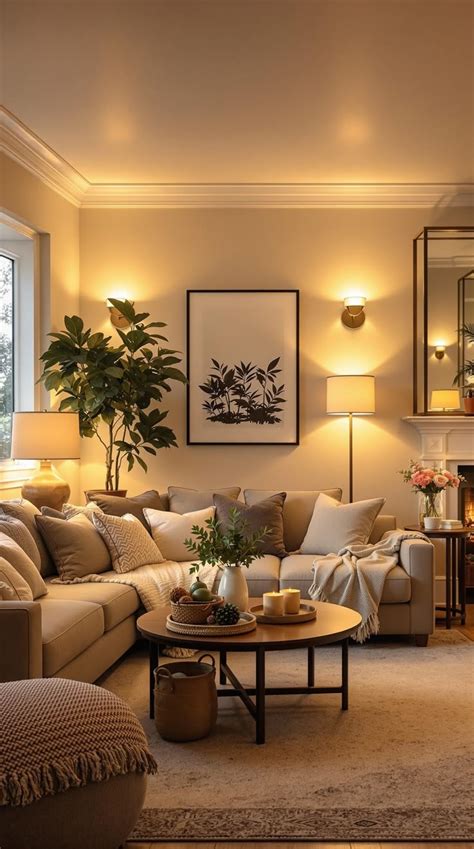
The foundation of any inviting living room begins with the interplay of color and light. In many American homes, open-concept layouts can sometimes feel cavernous or stark without deliberate boundaries. To counter this, grounding the space with warm neutral wall tones—such as soft greige, creamy linen, or earthy terracotta—instantly creates a sense of enclosure and intimacy. These versatile backdrops allow you to introduce bolder accent colors through easily swappable decor items like throw pillows, canvas art, and decorative ceramics.
Lighting serves as the ultimate mood-setter, moving far beyond a single overhead fixture to incorporate a thoughtful multi-layered approach. Combining floor lamps with adjustable reading arms, table lamps with warm amber bulbs, and subtle accent lighting creates pools of illumination that eliminate harsh shadows. For homes blessed with a traditional fireplace, styling the mantel with staggered pillar candles or picture lights adds another dimension of cozy charm, even during the warmer months when the hearth remains unlit.
Maximizing Space and Layouts in U.S. Living Rooms
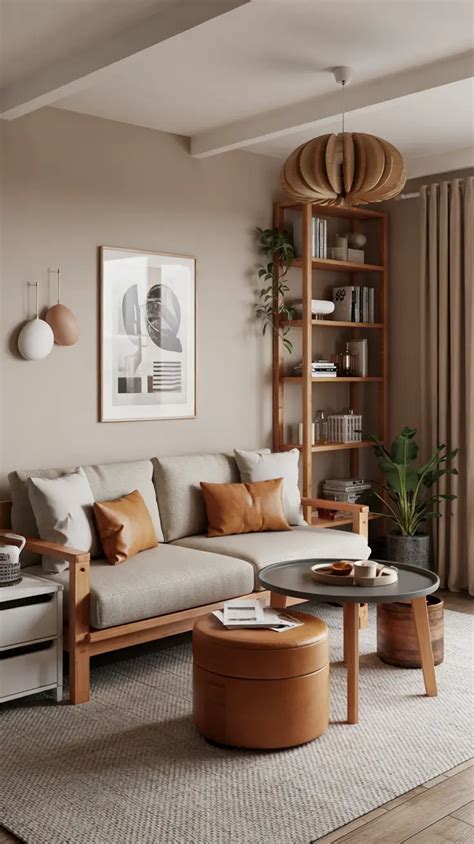
Room dimensions vary dramatically across the United States, presenting unique spatial challenges whether you occupy a historic brownstone or a modern suburban build. For smaller spaces, selecting multifunctional furniture is essential for maintaining an uncluttered look. Consider incorporating a storage ottoman that doubles as a coffee table or modular seating arrangements that can be easily reconfigured depending on whether you are hosting guests or enjoying a quiet movie night.
In larger living rooms, the primary objective shifts from saving space to preventing the layout from feeling disconnected. Creating distinct conversational zones helps anchor cavernous rooms. Pulling sofas and armchairs away from the perimeter walls and positioning them around a central anchor, such as a large textured area rug or a prominent media console, fosters an intimate atmosphere. Layering in tall indoor trees or sculptural bookshelves fills vertical volume, ensuring the room feels balanced and complete from floor to ceiling.
Integrating Renter-Friendly Textiles and Textural Elements
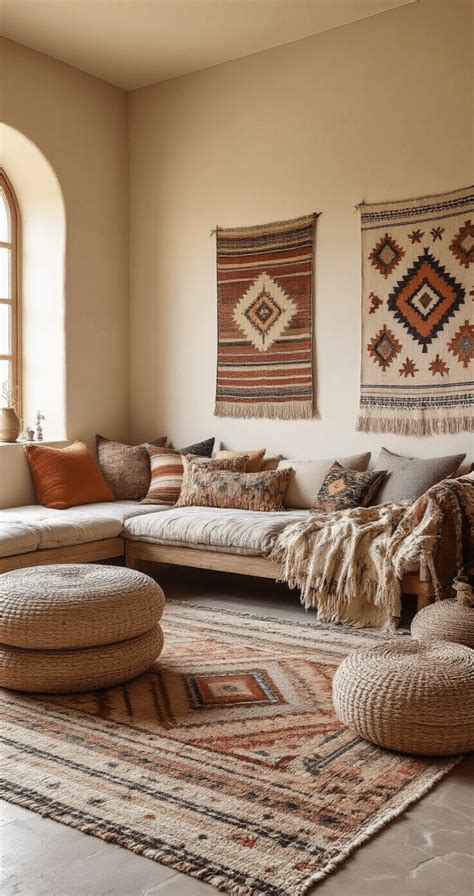
Textiles represent one of the most powerful and accessible tools for transforming a living room’s tactile experience. Mixing materials prevents a room from feeling flat and introduces immediate visual depth. Try combining a coarse jute or wool-blend rug with smooth leather armchairs and knitted throw blankets draped casually over a linen sofa. This deliberate contrast engages the senses and builds an environment that feels curated over time rather than purchased all at once.
For renters who face limitations regarding wall modifications and permanent installations, focusing on soft furnishings offers a brilliant workaround. Hanging a large-scale textile tapestry using temporary damage-free adhesive hooks provides the visual impact of a heavy painting without drilling into drywall. Similarly, layering floor-length curtains just above the window frame draws the eye upward, creating an illusion of higher ceilings while infusing the room with rich color and softness.
Frequently Asked Questions About Living Room Decor
How can I make a large, open-concept living room feel cozy?
To combat a cavernous feel in open-concept spaces, avoid pushing all your furniture against the walls. Instead, float your seating arrangement in the center of the room over a large area rug to create a distinct, intimate conversational zone. Introduce warm wood tones, layered ambient lighting at different heights, and heavy textiles like woven blankets and plush pillows to absorb excess sound and visually warm up the space.
What are some renter-friendly ways to update a living room without damaging walls?
Renters can easily personalize their living rooms by utilizing peel-and-stick accent wallpaper, freestanding shelving units, and high-quality command hooks for lightweight art. Focus your styling energy on textiles, such as draping a patterned throw over a neutral couch, layering decorative area rugs over rental carpeting, and using versatile table lamps to introduce warm lighting without hardwiring new fixtures.
How do I successfully mix different textures in my living room design?
Start by selecting a primary material, such as a smooth leather sofa, and layer contrasting textures around it. Add a nubby wool or jute rug underneath, incorporate smooth ceramic or metallic accent decor on your coffee table, and finish the look with linen curtains and knit throw pillows. Balancing hard and soft, rough and smooth elements prevents the room from feeling monotonous.
What are the current living room design trends in U.S. homes?
Current trends across the United States emphasize earthy, grounding color palettes inspired by nature, sustainable materials like reclaimed wood and organic cotton, and versatile multifunctional furniture. Homeowners and renters alike are prioritizing personal comfort, creating flexible spaces that easily transition from a bright daytime work-from-home setup to a cozy, dimly lit evening sanctuary.


