Updating your living space does not require a disruptive contractor-led renovation or an exorbitant budget. Across American homes, from compact urban apartments to spacious suburban houses, the focus has shifted toward curated simplicity, textural depth, and personalized touches that feel both current and timeless. Whether you are bound by lease agreements or own your property outright, introducing fresh visual elements can fundamentally change how your room feels and functions.
Achieving a designer-grade aesthetic relies heavily on thoughtful styling choices rather than simply purchasing trendy furniture pieces. By blending clever storage solutions, layered lighting schemes, and intentional color palettes, you can create a room that anchors your daily routine while offering a welcoming environment for guests. The following curated collection breaks down 53 distinct, accessible approaches to modernizing your living room without overcomplicating the process.
Foundation and Layout Updates for American Living Spaces
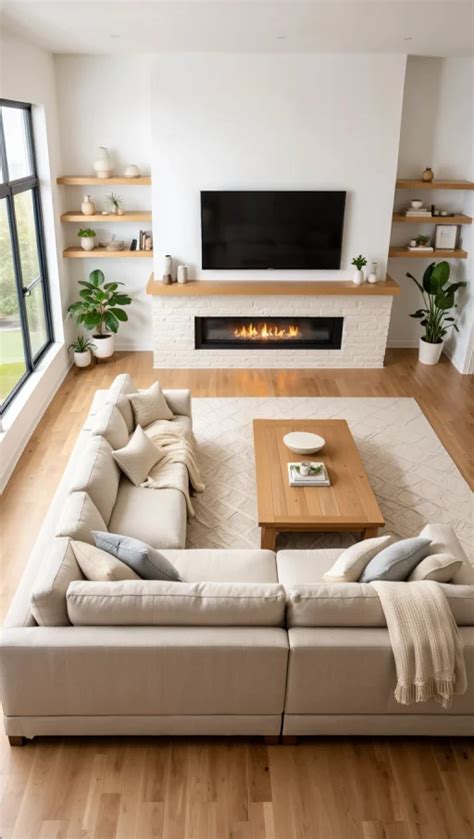
The foundation of any successful living room design begins with how furniture interacts with architectural proportions. In many typical U.S. floor plans, living rooms serve multiple purposes, functioning as media rooms, reading nooks, and formal conversation areas all at once. Establishing a clear focal point—whether it is an existing fireplace, a media console, or a large picture window—helps dictate traffic flow and furniture placement.
When arranging your seating, avoid pushing every piece of furniture directly against the perimeter walls, as this often makes a room feel disjointed and cavernous. Instead, pull sofas and accent chairs inward by a few inches to create intimate conversation zones, anchoring the arrangement with a suitably sized area rug that extends beneath the front legs of your primary seating pieces.
- 1. Floating Furniture Layout: Pull your sofa away from the walls to establish a cozy, intentional conversation hub.
- 2. Oversized Area Rugs: Choose a rug large enough to anchor all main seating elements, immediately expanding visual boundaries.
- 3. Traffic Flow Optimization: Ensure at least three feet of clear walking path around major furniture clusters for effortless movement.
- 4. Multi-Functional Coffee Tables: Incorporate a lift-top or storage ottoman table to handle daily clutter in busy households.
- 5. Zone Division: Use slender console tables behind floating sofas to separate living areas from adjacent open-concept dining spaces.
- 6. Asymmetrical Arrangements: Balance a heavy sectional sofa with a pair of lightweight accent chairs and a floor lamp opposite.
- 7. Low-Profile Seating: Embrace low-slung modern silhouettes to maximize ceiling height perception in standard suburban rooms.
- 8. Dual Seating Areas: Create a secondary reading corner with a single armchair and dedicated side table in an underutilized corner.
- 9. Scale Matching: Pair large-scale sofas with substantial media consoles to maintain visual equilibrium across the primary wall.
- 10. Hearth Centering: Orient your primary seating configuration to honor the architectural fireplace while maintaining comfortable viewing angles for television screens.
Color Palettes and Walls That Transform the Room
Color sets the emotional temperature of your home, and current American interior trends favor soothing, nature-inspired neutrals alongside grounded, moody earth tones. Moving away from stark, clinical whites, designers are turning toward warm limewash finishes, rich terracotta hues, and deep olive greens that shift beautifully with changing daylight throughout the day.
If you rent your home or hesitate to commit to permanent paint colors, you can easily achieve similar visual impact through temporary, high-impact surface treatments. Peel-and-stick wallpaper, large-scale canvas art, and textural wall hangings offer non-permanent ways to introduce color and pattern without violating lease agreements or requiring tedious weekend painting sessions.
- 11. Warm Plaster Finishes: Apply a textured limewash or faux-plaster paint technique to create organic depth on a primary accent wall.
- 12. Moody Built-Ins: Paint bookshelf interiors a dark charcoal or deep forest green to make displayed objects pop with contrast.
- 13. Monochrome Layering: Mix varying shades of beige, cream, and taupe across walls, upholstery, and trim for a serene, cohesive look.
- 14. Renter-Safe Peel-and-Stick Wallpaper: Install a botanical or subtle geometric mural behind your media center for temporary pattern play.
- 15. Two-Tone Wall Panelling: Add DIY board-and-batten or picture-frame molding painted in a soft, satin neutral finish.
- 16. Earthy Terracotta Accents: Introduce warmth through terracotta pottery, throw pillows, and accent wall art against neutral backdrops.
- 17. High-Contrast Trim: Keep walls bright white while painting interior doors and baseboards a striking matte black or deep bronze.
- 18. Statement Ceiling: Paint the fifth wall a muted pastel or soft blue to draw the eye upward and add unexpected charm.
- 19. Gallery Wall Backdrops: Use a warm greige paint shade behind a curated photo wall to reduce visual clutter and unify mismatched frames.
- 20. Sage Green Calm: Incorporate muted green tones through textiles and paint to bring an organic, restorative outdoor feel inside.
Lighting Layering for Ambiance and Function
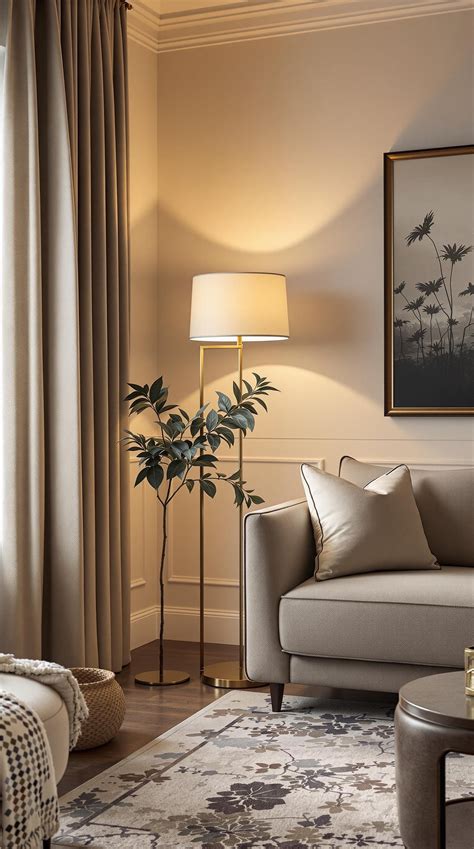
Overhead lighting alone rarely creates a welcoming living room atmosphere. Crafting a sophisticated lighting scheme involves layering three distinct sources: ambient light for overall illumination, task light for reading or working, and accent light to highlight architectural details or favorite decor pieces.
Incorporating portable cordless lamps, dimmable floor fixtures, and wall sconces that require no hardwiring allows you to adjust the room’s mood effortlessly. By keeping light sources at varying heights throughout the space, you eliminate harsh shadows and cultivate a warm, inviting glow perfect for evening relaxation.
- 21. Cordless Accent Lamps: Place rechargeable table lamps on bookshelves or consoles where outlets are unavailable.
- 22. Plug-in Wall Sconces: Mount swing-arm sconces flanking your sofa to free up surface space on end tables.
- 23. Dimmable Floor Lighting: Install smart bulbs in arc floor lamps to transition the room from daytime productivity to evening relaxation.
- 24. Art Illumination: Add battery-operated picture lights above framed canvases to showcase focal art pieces cleanly.
- 25. Warm LED Bulbs: Swap out stark daylight bulbs for warm 2700K options to instantly soften the overall room ambiance.
- 26. Candlelight Groupings: Arrange pillar candles on trays to introduce flickering organic light during quiet evenings at home.
- 27. Scaled Pendant Fixtures: Hang a modern woven or drum pendant centered over the room to anchor vaulted ceilings.
- 28. Hidden LED Strips: Install low-profile backlighting behind media consoles or floating shelves for a modern architectural glow.
- 29. Task Reading Corners: Pair a directional reading lamp with a comfortable armchair for a functional evening retreat.
- 30. Reflected Light: Position large decorative mirrors opposite main windows to maximize and bounce natural daylight deeper inside.
Textiles, Rugs, and Soft Furnishings
Textiles are the secret weapon of interior designers, offering an immediate way to inject color, pattern, and tactile comfort into a living space. Mixing fabrics such as boucle, linen, velvet, and chunky wool prevents a neutral room from feeling flat and invites physical engagement from anyone entering the space.
When styling soft furnishings, focus on tactile contrast rather than matching sets. Pair smooth leather sofas with nubby wool throw blankets, and combine structured linen pillows with plush velvet lumbar cushions to create an inviting, lived-in aesthetic that still looks impeccably put-together.
- 31. Boucle Accent Pillows: Add heavy-textured boucle cushions to smooth leather or linen sofas for immediate contrast.
- 32. Layered Area Rugs: Place a smaller vintage-style rug over a neutral natural fiber jute rug for eclectic depth.
- 33. Lightweight Linen Drapes: Hang sheer linen curtains high and wide to soften window frames and maximize filtered daylight.
- 34. Chunky Knit Throws: Drape a heavy wool blanket casually over the corner of a sectional for cozy visual weight.
- 35. Velvet Lumbar Pillows: Introduce rich color pops using durable velvet fabrics that withstand everyday family traffic.
- 36. Fringed Floor Cushions: Stencil extra seating using oversized floor poufs that double as casual footrests.
- 37. Pattern Mixing: Combine geometric stripes with organic floral prints through carefully curated throw pillow collections.
- 38. Washable Rug Solutions: Utilize durable, machine-washable area rugs in high-traffic family and pet-friendly living spaces.
- 39. Tailored Slipcovers: Refresh older or inherited sofas with crisp, tailored cotton or linen slipcovers for a modern look.
- 40. Seasonal Textile Swaps: Exchange lightweight cotton covers for heavy velvets and wools as autumn and winter arrive.
Smart Storage, Display, and Finishing Touches
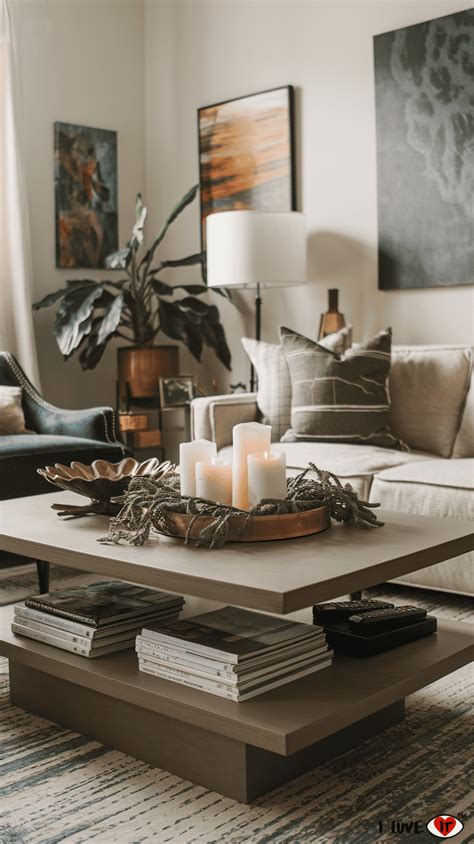
Maintaining an organized living room is essential for sustaining a peaceful environment. Smart storage solutions, such as closed media cabinets, woven baskets, and multi-functional furniture, keep clutter hidden while allowing your favorite decorative objects to shine through thoughtful curation.
When styling coffee tables and open shelving, remember the rule of thirds and balance objects by varying heights, materials, and shapes. Incorporate natural elements like potted plants, sculptural branches, or stone trays to infuse your living room with organic character and effortless charm.
- 41. Curated Coffee Table Trays: Group a stack of design books, a scented candle, and a small decorative bowl on a stylish tray.
- 42. Hidden Media Storage: Utilize closed-door credenzas to tuck away unsightly electronics, cords, and children’s toys.
- 43. Woven Storage Baskets: Stash extra blankets and pillows in large seagrass baskets beside the sofa.
- 44. Floating Display Shelves: Install minimalist wooden shelves to display family photographs and collected ceramics.
- 45. Oversized Indoor Greenery: Place a tall fiddle-leaf fig or snake plant in an empty corner to purify air and add height.
- 46. Architectural Branch Displays: Style large ceramic vessels with dried branches or pampas grass for sculptural elegance.
- 47. Gallery Wall Framing: Mix black frames and warm wood tones to display personal artwork and memorable prints.
- 48. Low-Profile Bookshelves: Use horizontal bookcases beneath windows to keep sightlines open while maximizing book storage.
- 49. Object Grouping Rule: Arrange decorative objects in odd numbers (threes or fives) for natural visual balance.
- 50. Personal Artifact Display: Showcase travel souvenirs and inherited heirlooms on accent tables to tell your personal story.
- 51. Negative Space Appreciation: Leave portions of shelves and tabletops completely empty to let statement items breathe.
- 52. Functional Side Tables: Incorporate nesting tables that can be pulled out when guests visit and tucked away daily.
- 53. Seasonal Greenery Swaps: Exchange fresh cut flowers for evergreen clippings or dried botanicals to keep decor evolving organically.
Frequently Asked Questions
How can I make my living room look trendy without a full renovation?
You can instantly modernize your living room by focusing on surface updates rather than structural changes. Swap out throw pillows and blankets for trendy textures like boucle and velvet, layer in warm ambient lighting through cordless lamps or wall sconces, and update your wall art or introduce a renter-friendly peel-and-stick accent wall.
What are some renter-friendly ways to decorate a living room?
Renters can elevate their living spaces safely by using peel-and-stick wallpaper, utilizing plug-in wall sconces that require no electrical wiring, layering large area rugs to conceal dated flooring, and using floating furniture layouts paired with stylish freestanding shelving units instead of built-in cabinetry.
How do I choose the right color palette for a U.S. living room?
Start by evaluating your room’s natural daylight exposure and existing flooring. Contemporary U.S. interior design favors warm, grounded neutrals like soft greige, creamy taupe, and earthy terracotta, paired with moody accent shades like olive green or charcoal to create depth and balance.
How do I arrange furniture in a small living room?
In smaller spaces, avoid pushing all your furniture against the perimeter walls. Pull your main seating slightly inward to create an intimate zone, use multi-functional furniture like lift-top coffee tables or nesting tables, and choose low-profile silhouettes that maintain open sightlines and make the room feel larger.


