Visualizing a fresh look for your living room no longer requires expensive consultation fees or tedious software downloads. For U.S. homeowners and renters eager to experiment with interior aesthetics, free artificial intelligence tools offer an instantaneous way to test out new concepts. The biggest hurdle with most design apps, however, is the endless loop of forced email registrations, password creation, and sudden paywalls.
By turning to zero-barrier platforms that allow immediate photo uploads and style generation without an account, you can bypass digital friction entirely. Whether you are trying to picture a modern minimalist layout, a warm bohemian retreat, or a classic American farmhouse aesthetic, these instant generators let you see possibilities in seconds while keeping your inbox free from unwanted marketing emails.
Why Choose No-Signup AI Tools for Your Living Room Remodel
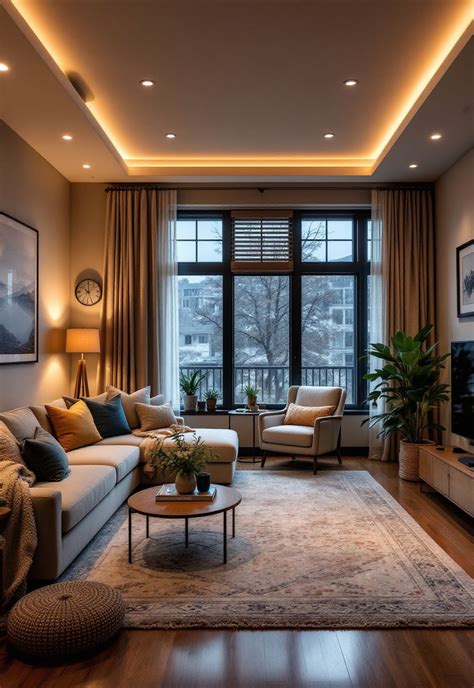
When you are in the early brainstorming phases of a living room refresh, speed and privacy are often top priorities. Traditional interior design software demands heavy installations or mandatory user profiles, which can feel intrusive when you simply want to test a single layout idea. No-signup AI generators remove these administrative barriers, letting you drop in a snapshot of your space and watch the algorithms reimagine your room within moments.
This frictionless approach is particularly helpful for busy homeowners juggling family schedules or renters who want quick, non-permanent inspiration. Because you do not have to commit personal data just to view a concept, you can freely experiment across multiple platforms to find the aesthetic direction that fits your lifestyle. It allows for rapid ideation where you can discard unworkable ideas immediately without feeling tethered to a specific software ecosystem.
How to Generate Your Living Room Design in Three Simple Steps

Using a zero-barrier AI design generator is remarkably straightforward, but getting realistic results depends heavily on the quality of your initial input. To start, take a clear, well-lit photo of your living room during daylight hours, making sure to capture the main focal walls, windows, and existing large furniture that you plan to keep. Remove clutter from coffee tables and floors so the AI can accurately interpret the structural boundaries of the room rather than getting confused by miscellaneous household items.
Next, navigate to a reputable no-signup design interface, upload your clear room photo, and select your preferred aesthetic style from the available visual menus or text prompt boxes. Be specific with your descriptive terms; instead of typing a generic phrase like “make it look nice,” use detailed style descriptors such as “Scandinavian neutral living room with light oak flooring and beige linen sofa.” Once you submit the parameters, the platform will render a transformed version of your space, showing how different lighting, wall colors, and decor arrangements interact within your exact room dimensions.
Translating Digital AI Concepts into Real-World American Homes
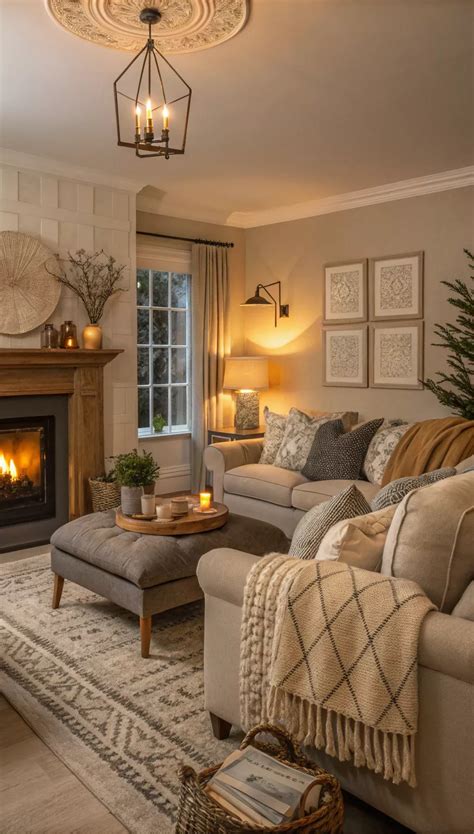
While AI-generated living room concepts look striking on a screen, the true challenge lies in bringing those digital visions into physical reality. U.S. homes feature distinct architectural characteristics—such as standard drywall construction, popcorn ceilings, radiator covers, or specific window placements—that AI models might casually omit or alter. When reviewing your generated images, focus primarily on the color palettes, textile layering, and furniture proportions rather than expecting exact replica pieces available off the shelf.
Renters face the additional constraint of working within lease agreements that typically prohibit painting walls or changing permanent fixtures. You can easily adapt AI-generated color schemes by substituting bold wall paint with renter-friendly alternatives like large-scale peel-and-stick wallpaper, textured accent rugs, vibrant throw pillows, and modular curtain panels. Homeowners can use the generated layouts as a precise blueprint for future carpentry, lighting upgrades, or investment furniture purchases, ensuring every dollar spent aligns with a cohesive overall vision.
Frequently Asked Questions
What are the best free AI interior design tools that don’t require registration?
Several experimental web platforms and open-access AI image generators allow users to upload room photos and apply style filters without creating an account. While specific features change frequently due to web updates, look for tools explicitly marketed as browser-based sketch-to-image or room-redesign utilities that process images instantly on their landing pages.
Are no-signup AI design tools completely free to use?
Many platforms offer a limited number of free generations per day or device without requiring a login. However, high-resolution downloads, advanced 3D rendering features, or batch processing often trigger a paywall or a prompt to create a paid subscriber account. Always read the interface notes carefully before starting a lengthy design session.
How accurate are AI-generated living room layouts for standard U.S. home dimensions?
AI design tools excel at suggesting color palettes, lighting moods, and decor styles, but they can occasionally distort spatial dimensions, window sizes, or furniture scale. Treat the output as creative inspiration rather than a strict architectural blueprint, and always measure your physical room carefully before purchasing large sectionals or bulky media consoles.
Can renters use these AI tools without violating lease agreements?
Yes, AI design tools are ideal for renters because they help visualize non-permanent decorating strategies. You can prompt the AI to focus on soft furnishings, lighting, area rugs, and modular furniture layouts that can be easily rearranged or moved to a new apartment when your lease ends.


