Planning a family camping trip across the diverse landscapes of the United States requires reliable gear that balances personal privacy with communal comfort. When traveling with children, teenagers, or extended family members, a standard dome tent can quickly feel cramped and chaotic. This is where a well-designed 3-bedroom tent featuring a dedicated central living space transforms an ordinary outdoor excursion into a comfortable, organized adventure.
Choosing the right shelter involves understanding how different layouts, materials, and structural frameworks perform under real-world conditions. Whether you plan to explore the coastal state parks of the Pacific Northwest or the breezy national forests of the Midwest, evaluating your options with a practical mindset ensures your investment enhances your family’s enjoyment of nature.
Understanding the Anatomy of a Multi-Room Family Tent
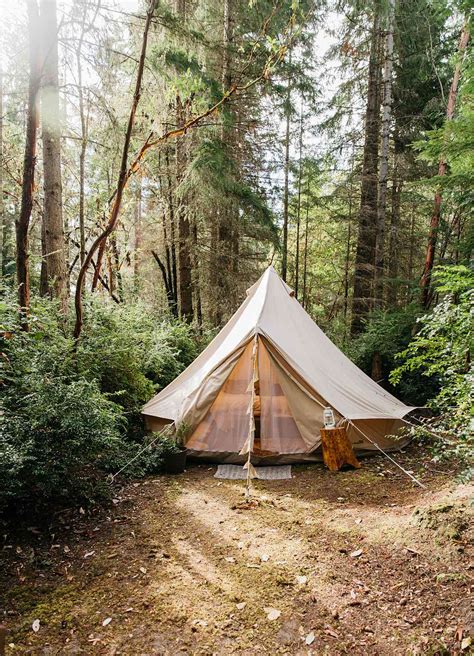
A true 3-bedroom tent with a living space typically utilizes a cabin-style architecture with near-vertical walls. This design maximizes interior headroom and floor utility, allowing adults to stand up comfortably without hunching over near the edges. The layout usually places two sleeping cabins on opposite ends or along the back wall, with a central communal foyer or vestibule acting as a buffer zone between private quarters.
Evaluating this structural layout requires looking beyond total square footage numbers provided by manufacturers. While a tent might boast massive overall dimensions, divider walls can create awkward shapes that struggle to fit standard queen or twin air mattresses. Prioritizing models with configurable privacy curtains or zippered fabric walls gives families the flexibility to adapt the interior space as children grow or as guest counts fluctuate during seasonal trips.
Evaluating Layout Functionality and Storage Management
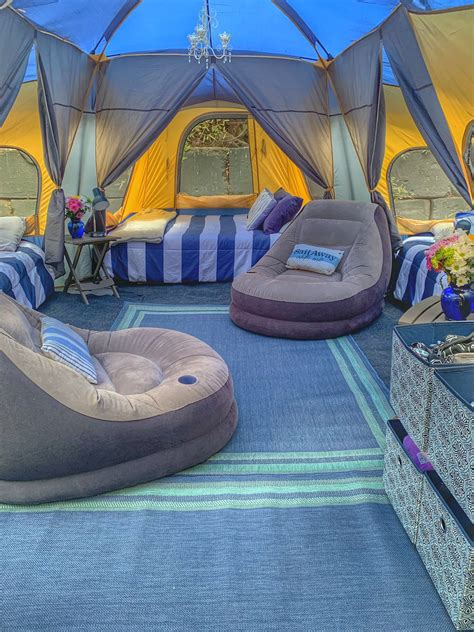
The central living area serves as the beating heart of a multi-room tent during unexpected weather events or evening downtime. When rain keeps everyone confined indoors, having a dry, mud-free common room for playing cards, storing gear, or organizing cooking supplies prevents cabin fever. Look for models that feature a dedicated wet-room or a covered front porch area where muddy boots and damp rain gear can be left behind before entering the clean sleeping quarters.
Storage pockets, gear lofts, and electrical port access points are subtle details that heavily influence day-to-day usability. Families carrying electronic devices, flashlights, and personal items need designated spots to keep the floor clear of tripping hazards. Assessing how easily bags fit into the sleeping cabins while still leaving room for sleeping pads is a critical step in avoiding cramped sleeping arrangements.
Weather Resistance and Climate Adaptability Across U.S. Regions
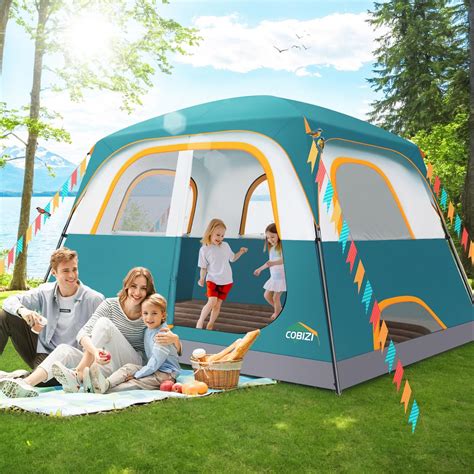
Camping in the United States exposes outdoor shelters to vastly different weather patterns, from sudden afternoon thunderstorms in the Blue Ridge Mountains to intense sun and wind in southwestern deserts. A dependable family tent must feature a robust rainfly with a high hydrostatic head rating, fully taped seams, and a sturdy frame capable of shedding heavy moisture without pooling water on the roof.
Ventilation is equally vital for preventing condensation buildup during chilly mornings or humid summer nights. Mesh ceiling panels paired with ground-level adjustable vents encourage continuous airflow, keeping the interior fresh and comfortable. Pay attention to pole materials as well; fiberglass poles offer budget-friendly flexibility, whereas aluminum or steel frameworks provide superior rigidity against powerful gusty winds frequently encountered in open campgrounds.
Logistics: Transport, Pack Size, and Setup Complexity
Large multi-room tents naturally involve more components, heavier fabrics, and larger packed dimensions than minimalist backpacking shelters. Before purchasing, verify that the packed duffel bag fits comfortably inside your vehicle’s trunk alongside coolers, camp chairs, and luggage. Some heavy-duty cabin tents require two adults for efficient pitching, utilizing color-coded pole systems and continuous pole sleeves to streamline the initial setup process.
Practicing a test pitch in your backyard before heading to a designated campsite helps familiarize your family with the assembly steps and ensures all stakes, guylines, and poles are accounted for. Taking this precautionary step eliminates unnecessary stress upon arrival at the campground, allowing you to establish a secure, weather-ready basecamp before daylight fades.
Frequently Asked Questions
What defines a true 3-bedroom tent with a living space?
A true 3-room or 3-bedroom tent features three distinct enclosed sleeping compartments separated by fabric walls or dividers, complemented by a central communal living area or foyer. This layout offers individual privacy for family members while maintaining a shared indoor gathering space.
Are 3-bedroom tents difficult for families to pitch?
Because of their size and multi-pole architecture, these tents generally require at least two adults for an efficient setup. However, many modern cabin-style tents utilize color-coded clips and straightforward hub systems to make the assembly process manageable.
How do I choose the right size air mattresses for a multi-room tent?
Always measure the interior floor dimensions of each individual sleeping cabin before purchasing air beds. Many multi-room tents feature tapered or divided cabins that accommodate twin mattresses or cots better than oversized queen beds.
Will a large multi-room tent withstand heavy rain and wind?
Weather performance depends heavily on the tent’s rainfly coverage, seam sealing, and frame materials. Models with full-coverage rainflies, waterproof floor ratings, and sturdy steel or aluminum poles handle wind and rain significantly better than basic fiberglass-poled variants.


