When planning a living room layout, selecting the right anchor piece dictates the room’s entire character. Among upholstery options, genuine leather couches, sofas, and loveseats hold a revered status in American interior design. Unlike trendy fabric patterns that cycle out of style every few years, authentic leather brings an enduring elegance that seamlessly bridges traditional craftsmanship and modern living. Homeowners looking to invest in a space that feels both grounded and sophisticated frequently return to leather because it manages to look substantial without overwhelming the room.
Beyond visual appeal, selecting genuine leather involves understanding the nuances of natural materials compared to synthetic alternatives. High-end real leather carries a distinct tactile warmth, developing a rich patina over decades of daily use. This guide explores why these timeless pieces continue to dominate family rooms, urban apartments, and suburban open-concept layouts across the United States, helping you decide if leather is the right choice for your household.
The Enduring Aesthetic Appeal of Authentic Leather
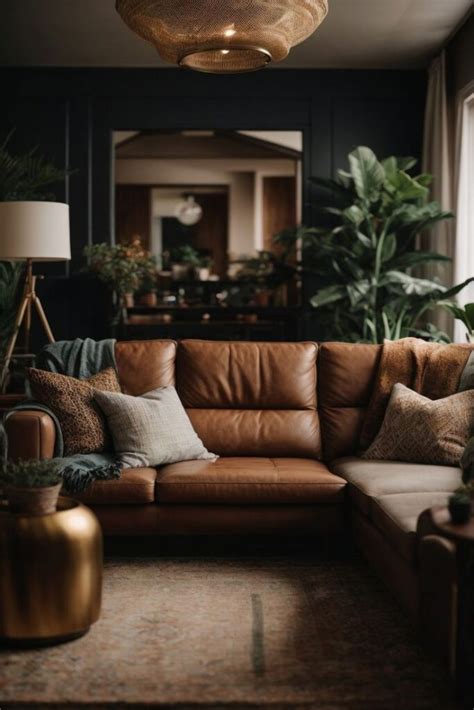
The visual presence of a genuine leather couch or sofa creates an immediate focal point in any living area. Natural hide absorbs light differently than woven textiles, offering subtle variations in tone and texture that add organic depth to a room. Whether styled in a sleek mid-century modern urban loft or a sprawling rustic farmhouse, leather adapts effortlessly to its surrounding decor. Darker shades like espresso and cognac offer a sense of grounding maturity, while lighter caramel or cream hides introduce an airy, sophisticated warmth.
Furthermore, true leather possesses a unique aging process that synthetic polyurethane or bonded materials simply cannot replicate. As the material interacts with daily life, it softens and absorbs natural oils, developing a gorgeous patina that tells the story of the home. This evolution turns standard living room furniture into a living archive of family gatherings, movie nights, and quiet Sunday mornings. Rather than looking worn out or tired with age, quality leather furniture grows increasingly distinguished over time.
Balancing Durability and Daily Life in U.S. Households
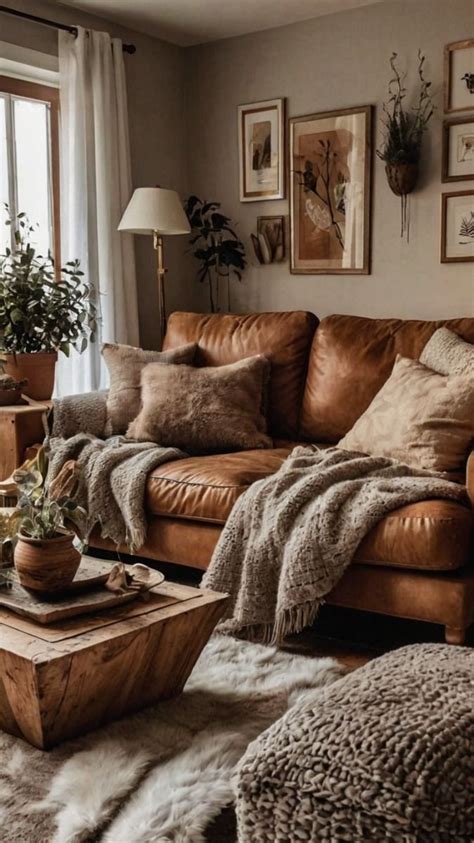
For households with active lifestyles, children, or pets, furniture durability is a primary decision-making factor. Genuine leather stands out as a resilient champion against everyday wear and tear compared to standard cotton or polyester blends. Because natural leather is non-porous relative to woven fabrics, accidental spills can usually be wiped away instantly with a damp cloth before staining the fibers beneath. This practical resistance makes high-traffic family spaces much easier to manage.
However, real-world maintenance requires acknowledging a few natural trade-offs. Leather reacts to climate shifts and direct sunlight, meaning that positioning a couch directly in front of a south-facing window can cause premature drying or fading without proper window treatments or conditioning. Additionally, pet claws can scratch top-grain leather, though many homeowners appreciate how minor surface scratches easily buff into the surrounding patina, adding to the relaxed, lived-in character of the piece.
Styling Sofas and Loveseats for Diverse Room Sizes
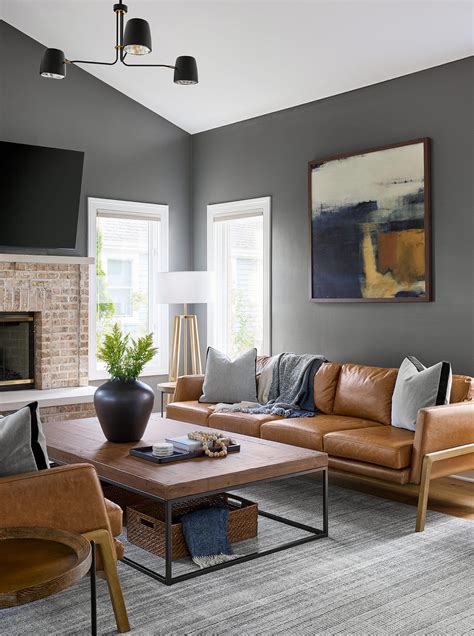
Configuring your seating arrangement depends heavily on the scale of your room and your lifestyle needs. Pairing a full-sized genuine leather sofa with a matching loveseat creates a traditional, balanced conversational layout in spacious suburban living rooms. This arrangement offers generous seating capacity for hosting guests while keeping distinct boundaries within an open-plan floor layout. Throw pillows featuring coarse wool, textured linen, or knitted weaves can soften the cool touch of leather and add seasonal color variations.
In contrast, compact urban apartments or cozy bonus rooms benefit greatly from scaling down to a single streamlined leather loveseat paired with a comfortable accent chair. A smaller loveseat preserves precious floor space without sacrificing the luxury and durability of genuine hide. Choosing lighter leather tones in smaller rooms helps bounce natural light around the space, preventing heavy furniture from making the area feel cramped or visually congested.
Proper Care and Maintenance for Long-Term Investment
Investing in genuine leather furniture requires a basic routine to keep the material supple and structurally sound. Regular dusting with a soft, dry cloth prevents microscopic dirt particles from settling into the natural grain and abrading the hide. Every few months, applying a specialized leather conditioner helps replenish natural oils, preventing the material from cracking due to dry indoor heating systems common during U.S. winters.
It is equally important to distinguish genuine top-grain or full-grain leather from bonded leather, which consists of leather scraps fused with polyurethane binders. While bonded alternatives carry a lower initial price tag, they frequently peel and degrade within a few years. Genuine leather represents a higher upfront financial investment, but its multi-decade lifespan makes it a much more cost-effective and sustainable choice over the long term.
Frequently Asked Questions
Why are genuine leather couches considered timeless?
Genuine leather couches are timeless because natural hide never goes out of style. The material effortlessly adapts to evolving interior design trends, ranging from traditional rustic decor to sleek contemporary spaces, while developing a rich, beautiful patina over years of use.
How does genuine leather hold up against daily wear and tear in family homes?
Genuine leather is remarkably durable and resistant to everyday spills, dust, and odors compared to woven fabrics. While it can be scratched by sharp pet claws, its natural resilience and easy-wipe surface make it a practical option for active family households.
What is the difference in styling a leather sofa versus a loveseat?
A full-sized leather sofa serves as a grand anchor piece suited for larger living rooms and family gatherings, whereas a loveseat provides intimate seating ideal for cozy dens, reading nooks, or compact urban apartments.
How do you properly condition and maintain genuine leather furniture?
Maintenance involves routine dusting with a dry microfiber cloth and applying a quality leather conditioner every six to twelve months. Conditioning replenishes natural moisture, preventing the hide from drying out and cracking in climate-controlled indoor environments.
Is a genuine leather couch a worthwhile long-term investment?
Yes, while genuine top-grain or full-grain leather carries a higher initial cost than synthetic or bonded alternatives, its ability to last for decades makes it a durable, cost-effective, and sustainable long-term furniture investment.


