Selecting a reclining sofa for an American living room requires a careful balance between everyday lounging comfort and architectural realities. Unlike standard stationary couches, reclining models feature heavy internal mechanisms, moving footrests, and shifting center of gravity that demand specific spatial accommodations. Whether you are furnishing a spacious suburban family room or a streamlined urban apartment, taking a systematic approach to sizing, mechanics, and fabric selection ensures your investment enhances your home for years to come.
Assessing Living Room Space and Wall Clearance
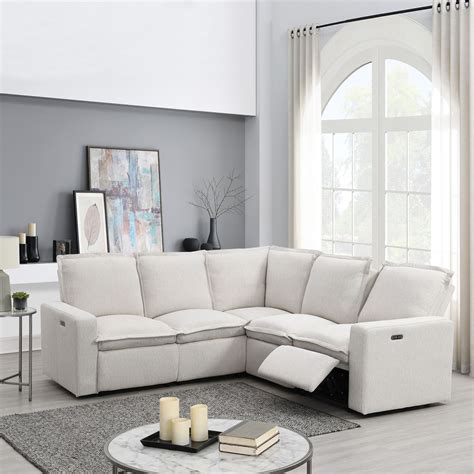
Before browsing furniture catalogs or visiting showrooms, you must understand your room’s physical dimensions and traffic patterns. Standard reclining sofas require extra breathing room because they extend outward when activated. If you place a traditional reclining sofa directly against a living room wall, the backrest will bump into the drywall, potentially damaging both the structure and the furniture mechanism.
To solve this spatial challenge, many homeowners look for wall-hugger designs. Wall-hugger reclining sofas slide forward on a track as they recline, needing only a few inches of clearance behind the frame. This ingenious engineering makes them exceptionally popular for narrower suburban living rooms and urban townhouses where every square inch counts. Always measure not just the footprint of the sofa when closed, but its full extended length to ensure family members can walk past safely without tripping.
Manual Versus Power Reclining Mechanisms
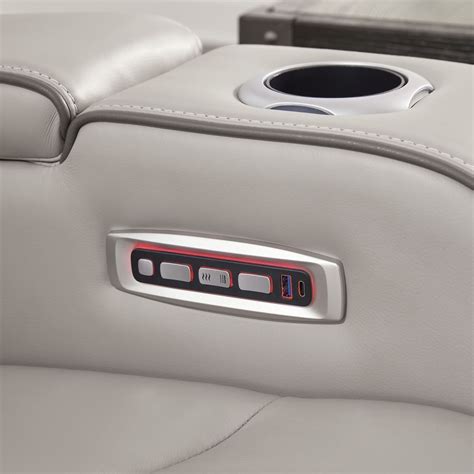
The choice between manual and power recliners largely comes down to lifestyle preferences, budget, and daily convenience. Manual recliners rely on a pull handle or a body-pressure latch system. They are generally more affordable, easier to repair if a cable snaps, and do not require proximity to a wall electrical outlet or extension cord, keeping your living room floors free of tangled wires.
On the other hand, power recliners offer infinitely adjustable positions controlled by discreet side buttons or touch panels. Many modern power models feature independent headrest and lumbar support adjustments, allowing you to watch television or read with proper neck alignment. If you choose a power sofa, remember to account for power source locations or invest in rechargeable lithium-ion battery packs if your layout places the sofa in the middle of an open-plan room.
Choosing Durable Upholstery for Real Life
Upholstery choice dictates how well your reclining sofa withstands daily use, pets, and accidental spills. Genuine leather offers a timeless, sophisticated aesthetic that patinas gracefully over time and resists pet hair accumulation. However, leather can feel cold in winter and sticky in humid summer months unless your living room maintains consistent climate control.
Performance fabrics, such as tightly woven microfibers and advanced synthetic blends, provide a softer, warmer tactile experience while offering high stain resistance. Families with young children or active pets often benefit most from certified performance textiles treated with moisture-barrier technology. These fabrics let you blot up liquid spills before they penetrate the foam cushions, keeping your living room seating looking fresh with minimal maintenance.
Frequently Asked Questions
How do I measure my living room doorways for delivery?
Measuring your living room doorways and hallway turns is a crucial step often overlooked during furniture shopping. Most standard U.S. exterior doors measure about 36 inches wide, while interior doors are typically 30 to 32 inches. Many reclining sofas arrive in modular sections or allow backs to be detached, but you should always verify the boxed or unboxed depth of the frame to ensure delivery teams can navigate tight entryways and stairwells without damaging your walls.
Are power recliners difficult to maintain?
Power recliners involve electrical motors and steel tracks that require basic care. While the motors are built to last for thousands of cycles, keeping debris out of the track mechanism is essential. If a motor fails out of warranty, replacement parts can be sourced, but repairs are more complex than fixing a simple manual latch cable.
How much space do I need behind a standard reclining sofa?
A traditional reclining sofa typically requires anywhere from 10 to 18 inches of clearance between the back of the sofa and the wall to achieve full extension. Always check the manufacturer specifications before placing your order to avoid unexpected layout constraints.


