Investing in comfortable seating is one of the most impactful decisions you can make for your living room. Reclining furniture has evolved significantly past the bulky, oversized designs of the past, offering sleek profiles that integrate seamlessly into modern American interiors. Whether you are outfitting a spacious suburban family room or a cozy urban apartment, choosing the right piece requires balancing personal ergonomic needs with architectural realities like wall clearance and entryway dimensions.
When approaching this purchase, buyers often debate whether to anchor the room with a large reclining sofa or curate a flexible seating arrangement using standalone recliners. Each configuration alters the traffic flow and social dynamic of the space. By evaluating mechanical options, upholstery durability, and spatial requirements upfront, you can select a piece that delivers long-term comfort without compromising your room’s aesthetic balance.
Understanding Mechanism Types: Manual, Power, and Wall-Huggers
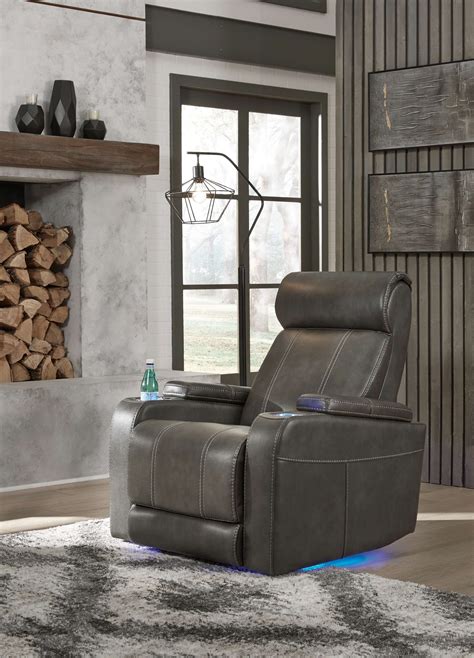
The internal mechanism dictates how your furniture operates, how much space it demands, and how much maintenance it might require over the years. Manual recliners rely on a latch or a simple push-back motion, offering reliable operation without electrical cords. They are generally more budget-friendly and straightforward to repair, making them a practical choice for rental properties or low-traffic dens.
Power recliners introduce smooth, infinite positioning via small electric motors, often accompanied by USB charging ports and adjustable headrests. While they require proximity to an outlet and carry a higher initial price tag, the precise lumbar and neck alignment they provide is invaluable for individuals with chronic back discomfort. For tighter spaces, wall-hugger mechanisms slide forward as they recline, requiring only a few inches of clearance behind the frame to achieve full extension.
Evaluating Spatial Constraints in Standard U.S. Living Rooms
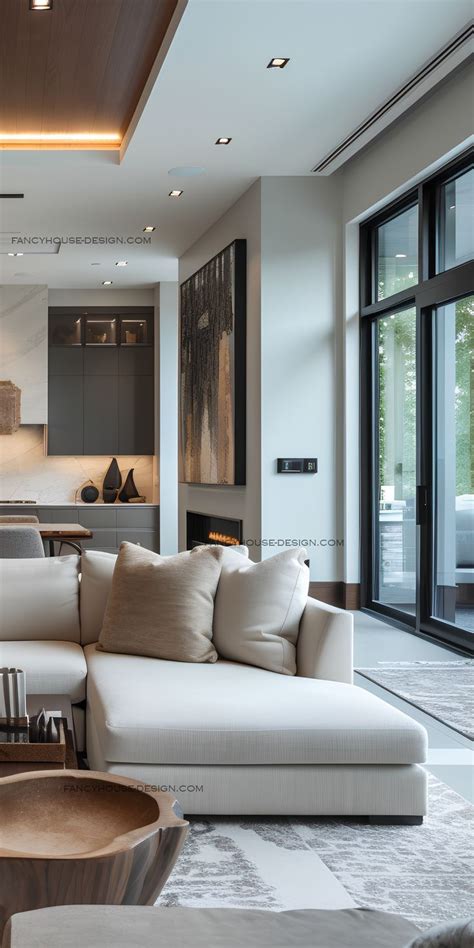
Standard American living rooms often feature open-concept layouts or multi-purpose zones where furniture must float away from walls. Traditional reclining sofas demand significant clearance behind them—sometimes up to twelve inches—to tilt backward safely. Measuring your exact floor plan before shopping prevents the frustrating scenario where a brand-new sofa blocks a walkway or collides with a side table.
If your room lacks deep clearance, prioritizing wall-hugger or zero-wall designs ensures maximum recline functionality in compact footprints. Additionally, always measure your home’s entryways, stairwells, and hallway turns. Reclining mechanisms add substantial weight and bulk to the furniture frame, making delivery logistics just as important as daily usability.
Selecting Upholstery Materials for Real-Life Durability

Upholstery choice determines both the tactile experience of sitting and the long-term resilience of your furniture against everyday wear and tear. Households with energetic pets or young children benefit immensely from performance fabrics, which feature tight weaves and advanced stain-resistant treatments. These textiles repel liquids and resist claw snags, allowing you to wipe away spills before they penetrate the foam cushioning.
Genuine leather and high-grade faux leathers offer a sophisticated aesthetic and wipe-clean convenience, though they require periodic conditioning to prevent cracking in dry American climates. Woven chenille and textured microfiber provide a softer, warmer hand-feel, creating an inviting atmosphere during colder winter months. When evaluating material samples, consider how the fabric breathes during warm summer weather and whether direct sunlight near large living room windows might cause fading over time.
Cushioning Density and Ergonomic Support
True comfort extends deeper than the surface fabric; it relies on the internal architecture of the seat cushions and backrests. High-resilience polyurethane foam wrapped in fiber or down alternative provides a supportive foundation that resists sagging under daily use. Pocketed coil springs embedded within seat cushions offer independent weight distribution, mimicking the supportive feel of a quality mattress.
Pay close attention to lumbar support and headrest articulation when testing furniture. A well-designed recliner should support the natural curve of your lower back in any position, preventing fatigue during long movie marathons or reading sessions. Checking the manufacturer’s warranty regarding frame integrity and mechanical parts offers additional peace of mind, as reputable brands typically back their internal springs and motors for several years.
Frequently Asked Questions
How do I choose between a reclining sofa and a standalone recliner?
A reclining sofa provides coordinated seating for multiple people and anchors a room’s primary layout, whereas a standalone recliner offers customizable individual comfort and fits easily into awkward corners or conversational groupings.
Are power recliners worth the extra cost?
Power recliners are generally worth the investment if you value infinite custom positioning, integrated charging ports, and effortless operation, especially for users with limited upper-body mobility.
How much clearance do I need to leave behind a reclining sofa?
Traditional reclining sofas typically require 6 to 12 inches of space from the wall to fully extend. Wall-hugger models reduce this requirement to just 3 to 4 inches, making them ideal for tighter spaces.
What materials hold up best against pets and kids?
Performance microfiber, tightly woven synthetic blends, and heavy-duty leatherette resist staining, claw snags, and routine friction far better than delicate linens, silks, or unsealed natural leathers.


