Homeowners across the United States are continually looking for innovative ways to expand their living space without undertaking costly home additions. One increasingly popular solution is integrating a spacious 3-bedroom tent with a living room directly into the backyard landscape. This approach bridges the gap between traditional interior design and high-end outdoor hospitality, creating a functional guest retreat, a creative home office annex, or an immersive weekend lounge space right outside your back door.
Approaching this kind of setup requires careful consideration of structural layout, interior styling, and local residential guidelines. When thoughtfully incorporated into your property’s overall design scheme, a large multi-room fabric structure ceases to look like temporary camping gear and instead feels like a deliberate, stylish architectural extension of your main house.
Defining the American Backyard Aesthetic with Large Tents
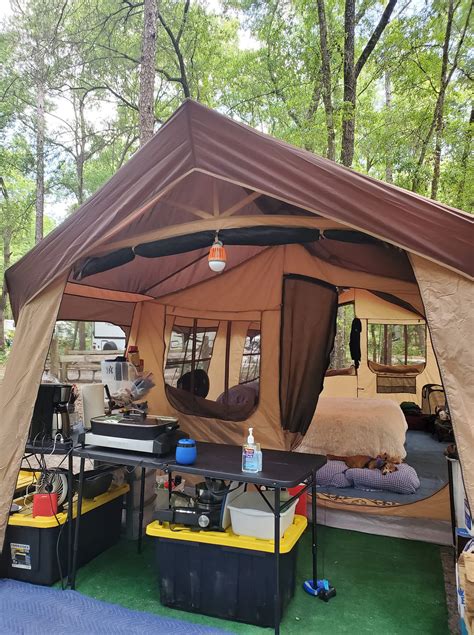
Traditional American backyards are often organized around patios, decks, and open lawns. Introducing a large multi-room structure changes the visual geometry of the yard, creating distinct zones for leisure and hospitality. To maintain a sophisticated aesthetic rather than a rugged campsite look, position the tent where it harmonizes with existing landscape features, such as mature trees, garden beds, or stone pathways.
Choosing neutral canvas fabrics in warm beige, soft khaki, or muted olive tones helps the structure blend naturally with organic surroundings. High-end canvas alternatives offer a timeless texture that complements wooden decking or gravel patio pads, establishing a warm, welcoming presence that looks permanent and intentional within the residential landscape.
Layout and Spatial Planning for Multi-Room Tents
A standard 3-bedroom tent with a central living room offers a remarkably flexible floor plan. The central communal area naturally functions as the focal point for gathering, while the peripheral sleeping compartments provide privacy. When planning your yard placement, ensure there is adequate clearance around all sides for guy lines, anchoring stakes, and natural walking paths to prevent the yard from feeling congested.
Inside the footprint, designate the central living space for low-profile lounge furniture, layered textiles, and soft ambient lighting. The adjoining rooms can serve specialized functions, such as guest quarters outfitted with raised platform beds, a dedicated hobby room, or a serene reading retreat. Maintaining clear pathways between these zones is essential to preserve an open, airy feeling throughout the entire structure.
Interior Styling, Decor, and Furnishing Ideas
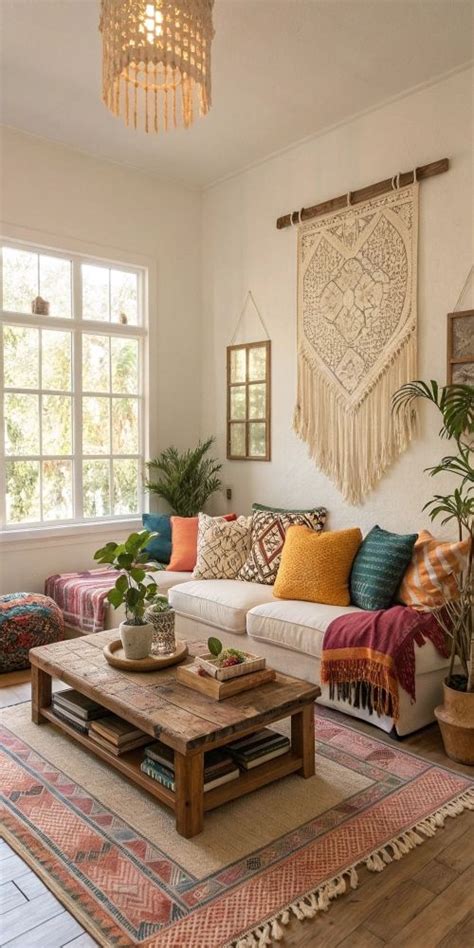
The secret to making a canvas tent feel like a true extension of your home lies in the interior finishes. Avoid heavy indoor furniture that can damage tent floors or puncture fabrics. Instead, select lightweight, modular pieces like folding bamboo armchairs, weather-resistant poufs, and woven rattan side tables that echo organic textures.
Layering is another cornerstone of successful tent decor. Combine durable outdoor jute rugs with plush, patterned cotton kilims to anchor the flooring and add warmth underfoot. Hang battery-operated pendant lights, string Edison bulbs along the central ridge pole, and place linen cushions on seating areas to instantly elevate the ambiance from utilitarian to luxurious.
Weatherproofing, Safety, and Seasonal Maintenance
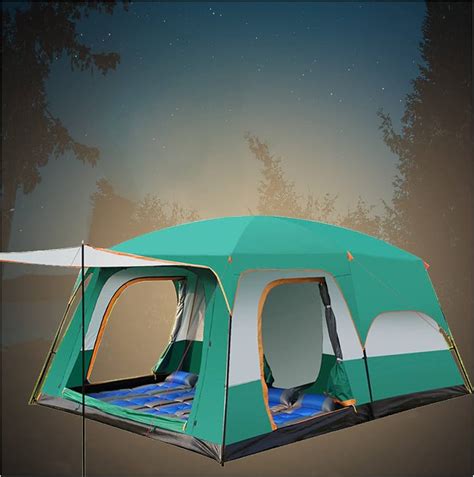
Because these large structures are exposed to the elements, proper weatherproofing is non-negotiable for long-term enjoyment. Depending on your region in the United States, you must account for varying seasonal conditions, from heavy spring downpours in the Pacific Northwest to intense summer sun in the Southwest or winter snow loads in the Northeast.
Always verify that the fabric features UV inhibitors and a robust waterproof rating with sealed seams. Heavy-duty ground tarps protect against rising moisture, while professional-grade stakes and ratchet straps keep the frame stable during high winds. Regularly clean canvas surfaces with mild soap and water, ensuring the material is completely dry before storing or leaving unattended during extended periods of inclement weather.
Local Zoning and HOA Considerations
Before installing a large semi-permanent tent on your property, it is vital to check local municipal zoning codes and Homeowners Association (HOA) regulations. Many suburban communities have strict bylaws regarding temporary structures, accessory buildings, and visible outdoor equipment.
Open communication with your local planning department or HOA board can save you from costly compliance issues. Some neighborhoods permit seasonal setups if they are taken down during winter months, while others require specific yard setbacks from property lines. Ensuring compliance from the outset protects your investment and maintains positive relationships with neighbors.
Frequently Asked Questions
How long does it take to set up a 3-bedroom tent with a living room?
Setting up a large multi-room tent typically requires two people and can take anywhere from two to four hours, depending on the complexity of the frame and your familiarity with the structure.
Can a multi-room tent stay up all year round in the U.S.?
Most standard tents are designed for seasonal use. Leaving them up year-round in regions with heavy snow loads, persistent freezing temperatures, or severe storm seasons can cause structural fatigue and fabric degradation.
How do you heat or cool a large tent living room?
Portable electric radiators or oil-filled heaters are commonly used for cooler evenings, while cross-ventilation through mesh windows and quiet oscillating fans manage summer heat. Always follow strict safety guidelines regarding fire hazards inside fabric structures.
Do these large tents require a wooden deck platform?
While a wooden deck platform is not strictly mandatory, building one provides superior insulation from damp ground, creates a level foundation, and significantly enhances the permanent, high-end feel of the setup.


