A leather sofa acts as an undeniable anchor in any living space, combining sophisticated texture with long-lasting durability. When exploring furniture selections through major retail destinations like Bed Bath & Beyond, finding the ideal piece requires looking beyond surface aesthetics to understand how different leather grades, frame constructions, and dimensions will interact with your daily routine. Whether you are outfitting a compact urban apartment or a sprawling suburban family room, investing in the right couch transforms your environment into a welcoming sanctuary.
Navigating the upholstery market can feel overwhelming given the variety of terminology, finishes, and configurations available. By breaking down your decision into manageable steps—evaluating leather quality, calculating spatial dimensions, and aligning the piece with your household’s lifestyle—you can narrow down options with absolute confidence. This guide explores the essential criteria interior designers use to match homeowners with a leather sofa that ages gracefully and handles everyday demands.
Understanding Leather Grades and Quality
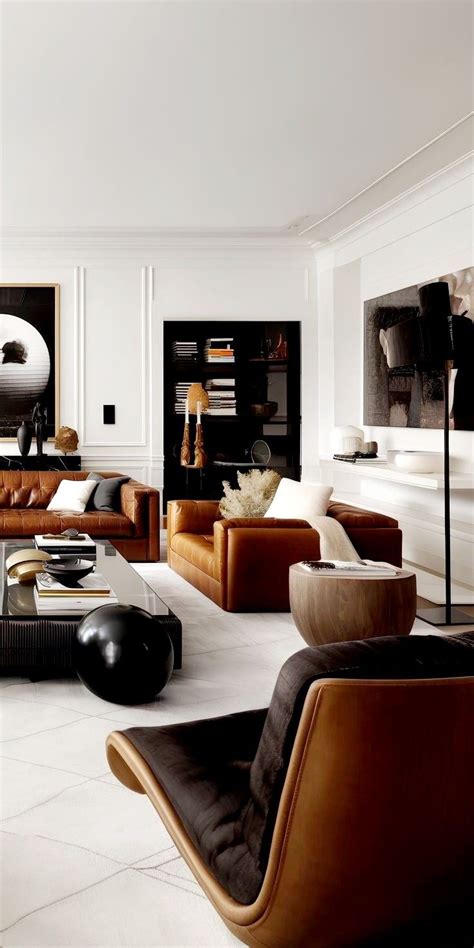
The longevity, texture, and price point of a leather sofa are primarily determined by the hide’s grade and how it has been treated. Full-grain leather represents the highest tier of quality, utilizing the entire hide with its natural grain and imperfections intact. Over time, full-grain leather develops a rich patina that tells a unique story, making it a favorite for traditional and transitional spaces where authentic character is prized.
Top-grain leather is another premium choice, but its outer surface has been lightly sanded and buffed to remove natural flaws, then treated with a uniform finish. This process makes top-grain leather slightly more resistant to stains while maintaining a soft, supple hand feel. On the other end of the spectrum, split leather and bonded leather utilize lower layers or scraps combined with synthetic binders. While these options offer budget-friendly entry points, they lack the tensile strength and breathable comfort of top-grain or full-grain varieties, meaning they require replacement much sooner under heavy use.
Sizing and Spatial Planning for Your Living Room

Before purchasing any large furniture piece, precise spatial planning is vital to ensure comfortable traffic flow and functional balance. In an apartment or smaller living room, a streamlined two-seater or a low-profile apartment sofa prevents the room from feeling cramped. Conversely, open-concept suburban homes easily accommodate large sectional configurations or deep three-seater couches paired with matching armchairs, creating distinct zones for relaxing and entertaining.
Always measure your room’s dimensions and map out the footprint using painter’s tape on the floor before committing to a specific layout. Pay close attention to clearance around entryways, interior hallways, and stairwells, as navigating a rigid sofa frame through tight U.S. architectural turns requires careful delivery preparation. Leaving at least 18 inches of walking space between your leather couch and the coffee table or media console ensures the room feels open and functional rather than overcrowded.
Balancing Lifestyle Durability with Pet and Kid-Friendly Needs
Households with children or pets require specific material considerations when shopping for upholstered furniture. Pigmented or semi-aniline leathers feature a protective topcoat that seals the hide against liquid spills, food crumbs, and everyday wear, making cleanup remarkably straightforward with a damp microfiber cloth. These finished leathers offer peace of mind for busy family spaces where accidental messes are bound to happen.
However, cat and dog owners should weigh the trade-offs of textured versus smooth hides. While genuine leather is generally easier to clean than woven fabric—since pet hair does not embed into the fibers—sharp claws can puncture or scratch delicate aniline leathers. Opting for a heavier, distressed top-grain leather often conceals minor scratches brilliantly, allowing the natural wear to blend seamlessly into the rustic or industrial aesthetic of your living area.
Styling Your Leather Couch with Existing Home Decor
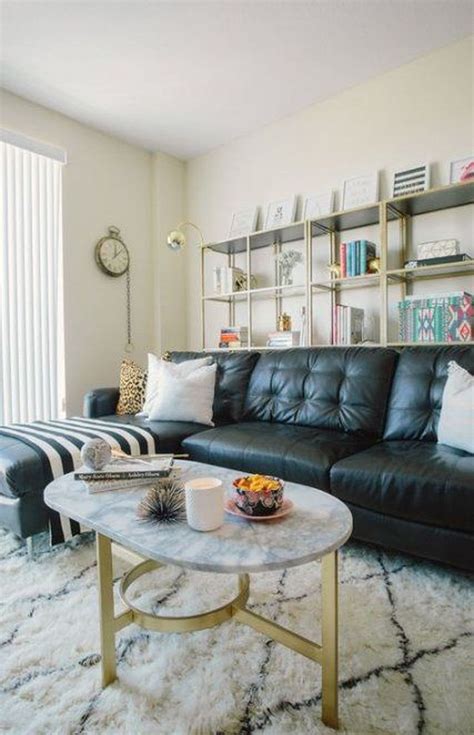
Styling a leather sofa successfully depends on balancing its inherent warmth and visual weight with contrasting textures in your room. If you select a rich, cognac-brown leather couch, pair it with textured neutral throw pillows, a chunky wool area rug, and matte black metal accents to achieve a balanced, layered modern look. Black or charcoal leather sofas, meanwhile, introduce a striking, contemporary edge that pairs wonderfully with warm wood tones, organic ceramics, and vibrant botanical greenery.
Lighting also plays a critical role in highlighting the natural sheen of leather upholstery. Position your seating arrangement to capture natural daylight without placing the leather directly under harsh, continuous UV rays, which can cause premature fading. Layering warm ambient table lamps and floor lamps around the couch creates a cozy, inviting atmosphere during evening hours, accentuating the rich color variations of the upholstery.
Frequently Asked Questions
What is the difference between top-grain and full-grain leather for a living room sofa?
Full-grain leather uses the outermost layer of the hide with its natural grain completely untouched, allowing it to develop a rich, authentic patina over time. Top-grain leather has its outer surface lightly buffed to remove natural imperfections and is given a protective finish, making it more uniform and slightly more stain-resistant while still offering exceptional durability and softness.
How do I choose the right size leather sofa for my apartment or house?
Start by measuring your living space and mapping the furniture footprint with painter’s tape. Ensure you leave at least 18 inches of clearance around tables and maintain unobstructed walkways. Compact apartments benefit from two-seater or apartment-sized sofas with exposed legs to create an airy feel, while larger suburban homes can easily anchor expansive sectionals.
Which leather finish is best if I have pets or young children?
Pigmented or semi-aniline leather finishes are ideal for homes with kids and pets because they feature a protective topcoat that blocks spills and resists stains. While aniline leather is prized for its ultra-soft, natural feel, finished leathers offer the practical durability and easy cleanup needed for busy households.
How do I maintain and condition a leather sofa to ensure it lasts for years?
Dust your leather sofa weekly using a soft, dry microfiber cloth to prevent grit from settling into the grain. Every six to twelve months, apply a specialized leather cleaner followed by a quality leather conditioner to keep the hide supple and prevent cracking caused by indoor heating or air conditioning.
What living room styles pair best with a brown or black leather couch?
Brown leather couches look stunning in traditional, rustic, mid-century modern, and industrial spaces, especially when paired with warm woods, wool textiles, and brass accents. Black leather sofas excel in modern, minimalist, and industrial interiors, working harmoniously with neutral concrete tones, sleek metals, and monochromatic decor palettes.


