Planning a wilderness excursion with a large family or an extended group of friends requires a shelter that goes beyond the standard weekend backpacking setup. When you are miles away from the nearest trailhead in diverse U.S. environments—from the humid Appalachian forests to the windy plains of the Midwest—your tent serves as a temporary home. Selecting a shelter that balances headroom, robust weather protection, and practical room division is essential for keeping everyone comfortable during extended stays.
Many campers discover too late that manufacturer capacity ratings often assume sleeping bags packed tightly together with zero gear inside. For a genuinely comfortable wilderness experience, seasoned outdoor planners recommend scaling up your tent capacity by at least two people to accommodate camp cots, duffel bags, and changing space. Evaluating structural stability, pole materials, and waterproof coatings will help ensure your investment withstands unexpected weather changes in the backcountry.
Key Criteria for Evaluating Large Group Wilderness Tents
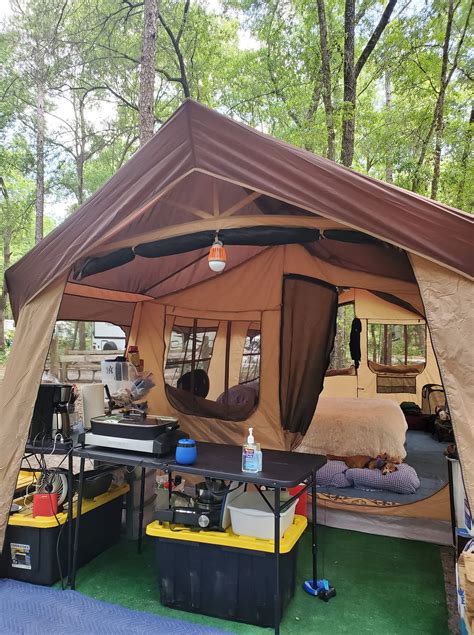
When shopping for a spacious multi-person tent, structural integrity must come first. High-wind resistance is critical because larger footprint structures catch significantly more breeze than low-profile backpacking models. Look for sturdy aluminum or robust fiberglass pole systems, reinforced stake-out points, and full-coverage rainflies that prevent moisture from seeping through mesh panels during severe downpours.
Interior layout and livability are equally important when housing multiple campers for several days. Vertical walls, high ceilings, and removable room dividers transform a chaotic sleeping zone into an organized, functional living area. Storage pockets, gear lofts, and electrical cord ports also add modern convenience, making it easier to keep flashlights, phones, and extra layers organized throughout your trip.
Top Structural Styles and Realistic Capacity Choices
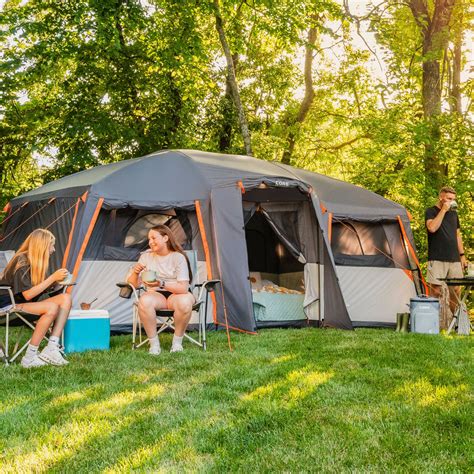
Cabin-style tents are widely favored by families due to their near-vertical walls and generous peak heights, which often allow adults to stand fully upright without ducking. While these models excel in living space and comfort, they require careful guylaying in stormy weather due to their higher profile. Dome and tunnel hybrids, on the other hand, offer superior wind-shedding aerodynamics at the expense of slight headroom reductions near the outer edges.
Understanding how floor plans translate to real-world use prevents overcrowding and friction among group members. A designated multi-room layout allows parents to have a separate sleeping space from children, or provides a dry mudroom entrance for muddy hiking boots and wet rain gear. Prioritizing models with dual doors also prevents nighttime bottlenecks when multiple campers need to exit the tent simultaneously.
Managing Portability, Weight, and Campsite Footprints
Because spacious group tents are designed primarily for car camping or short gear-hauling treks rather than deep-woods backpacking, they typically feature substantial packed sizes and heavier weights. Buyers should always check that the packed duffel bag fits comfortably in their vehicle trunk alongside coolers, camp kitchens, and sleeping pads. Splitting components—such as packing poles and fabric bodies in separate bags—can also make hauling the gear to designated drive-in campsites much more manageable.
Campsite footprint dimensions deserve careful attention before arriving at a state or national park campground. Many established campsites feature designated tent pads with strict boundary limitations. Measuring your tent’s total footprint, including the guy line span and attached awnings, ensures you will fit comfortably within your reserved site without encroaching on neighboring campers or protected wilderness flora.
Frequently Asked Questions
How many people do large group tents realistically fit?
While a tent rated for eight people can technically fit eight sleeping pads side-by-side, it leaves virtually no room for gear, movement, or cots. For realistic comfort with luggage and changing space, subtract two from the manufacturer’s rated capacity.
Are cabin tents safe to use in windy wilderness conditions?
Cabin tents can handle moderate winds if they are properly staked and guyed out using heavy-duty stakes and storm lines. However, because of their vertical walls and tall profiles, they are generally less aerodynamic than dome tents and should be pitched in sheltered areas during severe storms.
What is the advantage of a room divider in a family tent?
Room dividers create privacy zones for changing clothes or separating sleeping areas, which significantly improves group harmony on multi-day trips. They also help organize gear and can isolate dirty or wet equipment from sleeping quarters.


