Embracing a minimalist lifestyle in an apartment setting is less about achieving a sterile showroom look and much more about curating a peaceful environment that supports your daily routine. When square footage is limited, every single item in your living room carries significant weight, impacting both physical traffic flow and mental clarity. By focusing on intentional layout choices, restrained color schemes, and practical storage solutions, you can transform a cramped or cluttered apartment into a spacious sanctuary that requires minimal upkeep.
Designing with restraint requires looking past fleeting trends and evaluating how your living space actually functions from morning to night. Whether you are dealing with awkward structural pillars, low ceilings, or an open-concept floor plan that exposes your entire living area to the front door, the right approach to minimalism creates breathing room. This guide explores actionable design strategies tailored specifically for apartment renters and homeowners who want to balance sleek simplicity with genuine comfort and warmth.
Start with a Thorough Visual and Physical Edit
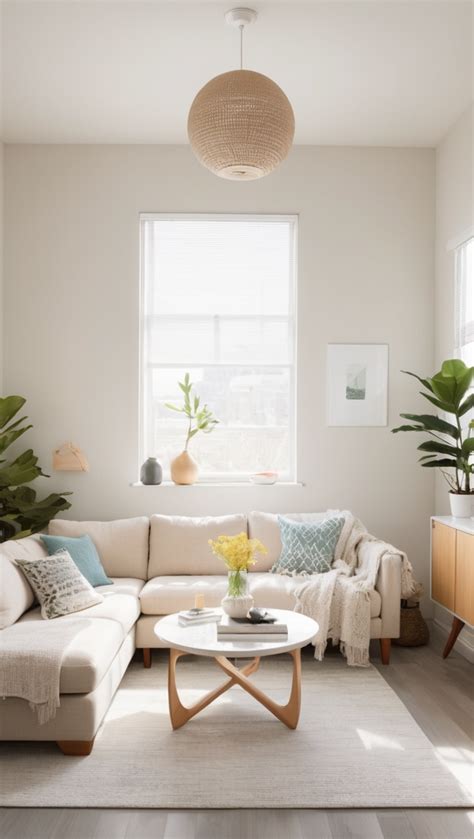
Before bringing any new design elements into your apartment living room, the most crucial step is resetting the baseline through a deliberate decluttering process. Take everything out of the space or systematically review surfaces to separate everyday essentials from visual noise. Minimalism thrives on negative space, meaning empty walls and clear tabletops are active design choices rather than unfinished areas. When you strip away redundant decor, knick-knacks, and duplicate items, the room instantly feels larger and more breathable without spending a single dollar on new furniture.
For apartment dwellers, visual noise often comes from cords, mail piles, and mismatched storage containers accumulating on open shelving. Combat this by investing in a few closed storage pieces, such as a low-profile media console with cabinet doors or woven baskets that slide neatly beneath a console table. Establishing a permanent home for essential items prevents daily clutter from creeping back onto your coffee table. Keep in mind that editing is an ongoing habit rather than a one-time chore; regularly evaluating your possessions ensures that your living room remains a calm, functional retreat.
Anchor the Space with a Warm, Neutral Palette
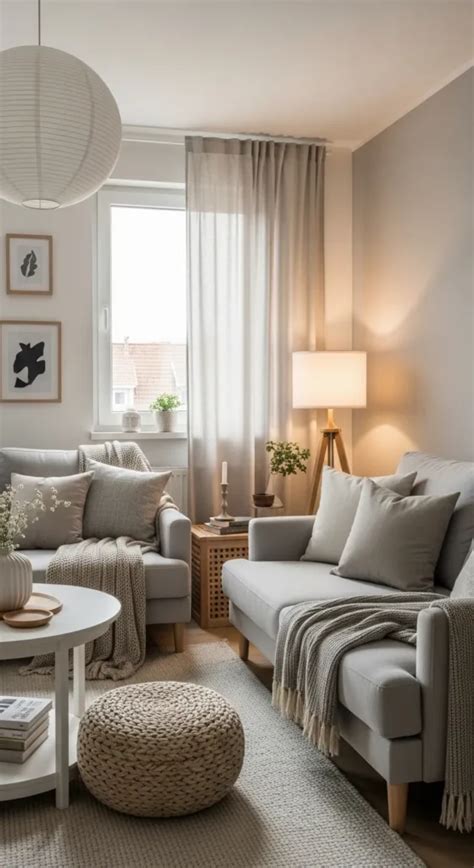
A common misconception about minimalist living rooms is that they must be stark white and completely devoid of character. In reality, successful minimalist design relies heavily on warm neutral tones like soft beige, warm gray, muted taupe, and creamy off-white to create an inviting atmosphere. These colors reflect natural light effectively, bouncing it around compact apartment interiors to make walls feel farther apart. By keeping your primary architectural backdrops neutral, you establish a harmonious foundation that makes the entire room feel cohesive and serene.
To prevent a neutral palette from feeling cold or uninspired, texture becomes your best design tool. Instead of adding color through bright accent pillows or busy patterns, introduce visual and tactile interest through looped wool rugs, linen drapery, ceramic vases, and bouclé upholstery. Combining matte and polished surfaces—such as a dark wood coffee table paired with a brushed brass floor lamp—adds depth and sophistication. This layering technique proves that simplicity does not have to equal boredom, offering a rich sensory experience through careful material selection.
Select Multi-Functional Furniture for Small Floor Plans
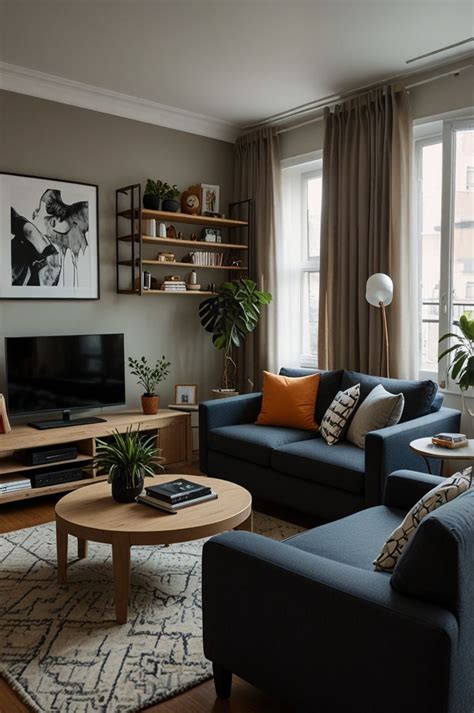
Furniture in a minimalist apartment living room must earn its footprint by serving multiple purposes while maintaining a visually lightweight profile. Bulky, heavy-armed sofas and oversized recliners quickly overwhelm narrow layouts, blocking natural pathways and making the room feel congested. Instead, opt for apartment-scale sofas with exposed wooden legs, which allow light to pass underneath and create an illusion of expansive floor space. Pair your seating with modular nesting tables or an upholstered storage ottoman that functions simultaneously as a footrest, extra seating for guests, and a hidden bin for throws.
Thoughtful furniture placement also dictates how effortless your apartment living room feels on a day-to-day basis. Pulling your furniture slightly away from the perimeter walls can counterintuitively make a small room feel larger by improving air circulation and preventing a boxed-in appearance. Prioritize clean silhouettes and low-profile silhouettes that keep sightlines open across the entire room. When every piece of furniture has a clear purpose and proportional scale, your living room remains versatile and easy to navigate.
Maximize Light and Keep Decor Intentional
Lighting plays a transformative role in minimalist interiors, defining the mood of the room without adding physical clutter. Make the most of natural daylight by keeping window treatments sheer and lightweight, allowing the sun to filter deeply into your apartment. For renters restricted by fixed overhead lighting fixtures, rely on a combination of floor lamps, table lamps, and wall-mounted plug-in sconces to create warm pools of light at varying heights. This layered approach eliminates harsh shadows and adds cozy dimension during evening hours.
When it comes to styling surfaces and walls, adhere firmly to the rule of quality over quantity. Rather than filling every empty shelf or hanging a gallery wall of small frames, select one statement art piece or a single large architectural branch in a heavy ceramic vessel. Leaving large portions of wall and table space untouched emphasizes the beauty of what is displayed. By keeping your decor strictly intentional, you cultivate a tranquil apartment living room that feels balanced, curated, and wonderfully easy to maintain.
Frequently Asked Questions
How can I make a small apartment living room look minimalist without feeling cold?
You can prevent a minimalist living room from feeling cold by focusing heavily on texture rather than bright colors. Incorporate warm neutral tones like oatmeal and beige, and layer natural materials such as unpolished wood, woven jute, brushed brass, and heavy linen to add organic warmth and tactile comfort.
What are the best multi-functional furniture pieces for a minimalist living room?
The best pieces for compact spaces include storage ottomans that double as extra seating, nesting coffee tables that can be tucked away when not in use, and low-profile media consoles with closed cabinets to hide electronics, cords, and everyday clutter out of sight.
How do I choose a color scheme for a minimalist apartment?
Start with a monochromatic or tonal neutral base, such as soft whites, warm grays, or sandy taupes, for your walls and large upholstered items. Introduce subtle variation through tonal shifts in your textiles and natural wood finishes rather than introducing competing accent colors.
What are effective ways to hide everyday clutter in an open-concept apartment?
To keep open-concept spaces tidy, utilize closed storage furniture like credenzas and media units. In addition, designate specific closed bins or baskets for items like remotes, chargers, and mail so they can be easily stowed away at the end of each day.


