Designing a compact living room in a typical U.S. apartment often requires balancing two opposing desires: you want the space to feel open and airy, yet warm and inviting. When square footage is tight, standard interior design rules do not always apply. Overcrowding the room with furniture can make it feel claustrophobic, while sparse decorating can leave it feeling cold and unlived-in. Professional interior designers rely on specific, intentional strategies to maximize every square inch while elevating the overall aesthetic.
Whether you are dealing with a studio apartment in a bustling metropolitan high-rise or a suburban rental with limited common areas, thoughtful spatial planning makes all the difference. By shifting your focus toward multi-functional pieces, vertical storage, and intentional texture layering, you can create a sanctuary that looks curated rather than cramped. Here are nine designer-approved ideas to transform your small apartment living room into a stylish, cozy retreat.
1. Choose Multi-Functional Furniture for Maximum Efficiency
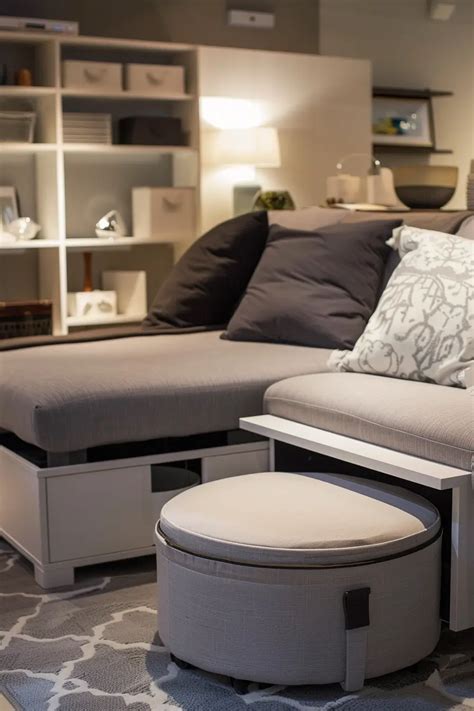
In a small living room, every single piece of furniture must earn its place. Traditional bulky sofas and massive coffee tables often overwhelm compact footprints, restricting movement and visual flow. Instead, interior designers frequently specify multi-functional items such as storage ottomans, nesting coffee tables, or sleek sleeper sofas that accommodate overnight guests without dominating the layout.
When selecting these pieces, look for designs with exposed legs rather than solid bases that sit directly on the floor. Furniture that allows light to pass underneath creates a powerful illusion of a larger floor area. Additionally, consider modular seating options that can be easily rearranged depending on whether you are hosting friends or simply relaxing on a quiet evening.
2. Layer Textures to Build Instant Coziness
A common mistake in small space design is relying on a single fabric type or smooth surface, which can make the room feel flat and sterile. To cultivate genuine warmth, interior designers rely heavily on tactile layering. Combine diverse materials such as chunky knit throw blankets, bouclé accent chairs, woven jute rugs, and raw wood side tables to add depth and visual interest.
Layering does not mean cluttering the space with excessive objects. Rather, it means selecting fewer items that offer rich tactile qualities. A plush wool rug placed over neutral hardwood flooring immediately anchors the seating area, while linen drapes soften harsh window frames and invite soft, diffused daylight into the room.
3. Utilize Vertical Space and Floating Shelving
When floor space is severely limited, the easiest way to expand your storage and display capacity is to look upward. Blank walls represent wasted potential in most apartment settings. Installing floating shelves near the ceiling or mounting your television allows you to eliminate bulky media consoles that take up valuable floor space.
For renters who cannot drill extensive holes into drywall, leaning vertical bookcases or tall, narrow tension-rod shelving units provide similar functional benefits. Use these vertical zones to display books, trailing plants, and curated art pieces, drawing the eye upward and making standard eight-foot ceilings feel significantly taller.
4. Harness Strategic Lighting to Expand the Room
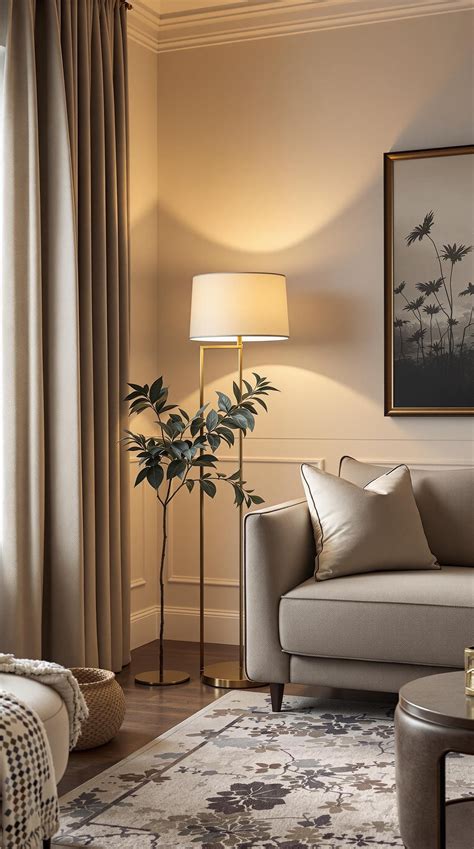
Lighting dictates how spacious a room feels. Relying solely on a harsh, central overhead light fixture tends to cast dark corners that shrink the perceived dimensions of the room. Professional designers use layered lighting schemes that include floor lamps, wall sconces, and table lamps positioned at varying heights.
In rental apartments where hardwiring new light fixtures is not an option, plug-in wall sconces and arched floor lamps offer a high-end designer look without permanent alterations. Pair these light sources with strategically placed mirrors opposite windows to bounce natural sunlight deeper into the room, instantly brightening dark corners and expanding the visual boundaries of the space.
5. Stick to a Cohesive, Light-Reflecting Color Palette
Color choice heavily influences spatial perception. While dark, moody paint colors can work wonderfully in large rooms, they often absorb light and make compact living areas feel even smaller. A palette built around soft neutrals, warm whites, pale grays, and muted earth tones reflects natural light and blurs the boundaries of the room.
To prevent a neutral color scheme from feeling boring, introduce subtle pops of contrast through accent pillows, ceramic vases, or a statement piece of artwork. Keeping the large foundational elements—such as the sofa and walls—in a harmonious light tone creates a serene backdrop that makes the entire apartment feel calm and expansive.
6. Scale Down Your Rugs and Art Choices
Proportion is critical in small-scale interiors. Using an undersized rug that floats in the middle of the room can make the space look disjointed and choppy. Conversely, a rug that is properly scaled—ideally large enough for the front legs of your seating to rest upon—unifies the furniture arrangement and anchors the room.
Similarly, swap out a massive gallery wall of tiny frames for one or two oversized art pieces. Clustered small frames can create visual clutter on tight walls, whereas a single bold artwork provides a sophisticated focal point that organizes the room without overwhelming the eye.
7. Incorporate Invisible and Acrylic Elements
To keep a small living room feeling light and unobstructed, consider incorporating transparent materials such as acrylic, glass, or lucite. Ghost chairs, glass-topped coffee tables, and clear acrylic side tables practically disappear into the background, allowing light to flow freely through the room.
This design trick reduces visual weight while still providing essential surface area for drinks, books, or lamps. It is an ideal approach for tight urban layouts where every square inch of visual breathing room contributes to a more relaxed, open atmosphere.
8. Curate Clutter with Hidden Storage Solutions
Visible clutter is the number one enemy of a stylish small apartment. When belongings lack a designated home, even the most beautifully decorated room quickly feels chaotic. Investing in storage furniture—such as a storage bench, a lift-top coffee table, or media cabinets with closed doors—keeps everyday items out of sight.
Adopt a minimalist mindset regarding decorative accessories. Instead of filling every shelf and tabletop, leave some surfaces completely bare. Negative space allows the eye to rest and highlights the carefully chosen decor items you do display, elevating the overall elegance of the living space.
9. Introduce Living Greenery for Organic Life
No apartment living room is truly complete without a touch of nature. Plants breathe literal and visual life into compact spaces, adding organic shapes and vibrant color that synthetic decor cannot replicate. If floor space is at a premium, utilize hanging planters, window-sill herb gardens, or small trailing pothos plants positioned on top of bookcases.
Greenery softens hard architectural lines and enhances indoor air quality, making small apartments feel fresh and connected to the outdoors. Choose low-maintenance varieties if your apartment lacks abundant natural light, ensuring your styling efforts remain effortless and sustainable over time.
Frequently Asked Questions
How can I make a tiny apartment living room feel cozy instead of cramped?
To achieve coziness without feeling cramped, focus on tactile elements like soft knit throws, textured rugs, and warm lighting rather than adding extra furniture. Keep your floor pathways clear and use multifunctional pieces that save space.
What type of sofa is best for a small apartment?
Look for apartment-sized sofas or loveseats featuring exposed legs. Raised legs create a sense of openness underneath the seating, preventing the room from feeling heavy or blocked off.
How do I arrange furniture in a narrow living room?
Float your furniture slightly away from the walls rather than pushing everything to the perimeter. This creates better traffic flow and makes the narrow layout feel more intentional and balanced.


