Living in a compact urban apartment often means wrestling with awkward floor plans, limited square footage, and strict lease restrictions that rule out major structural renovations. Whether you are dealing with a narrow suburban rental or a cozy high-rise studio, making the most of a compact footprint requires more than just buying smaller furniture. It calls for clever styling choices and strategic spatial planning that tricks the eye into seeing more room than actually exists.
To help you transform your layout without sacrificing personal style or functionality, we have gathered twelve creative design hacks tailored specifically for space-challenged American apartments. These actionable ideas focus on renter-friendly modifications, vertical storage opportunities, and multi-functional pieces that address everyday living challenges.
1. Choose Low-Profile Seating to Preserve Sightlines
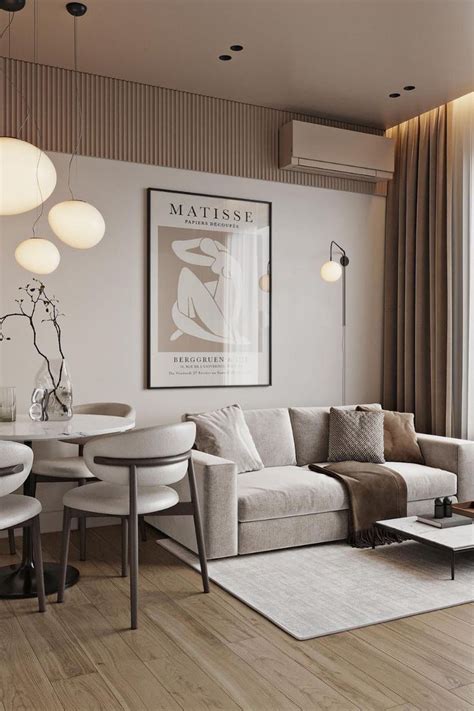
When floor space is at a premium, heavy and oversized sofas can instantly overwhelm the room, blocking natural light and creating visual clutter. Opting for low-profile furniture keeps sightlines open across the entire apartment, making the space feel significantly more expansive and breathable.
Consider sofas and armchairs with exposed legs rather than skirted upholstery that drops straight to the floor. Raising furniture pieces off the ground allows light to travel underneath them, reducing their visual weight in a compact setting. This simple adjustment tricks the eye into perceiving the room as wider and airier than its physical measurements suggest.
2. Leverage Vertical Space with Wall-Mounted Shelving
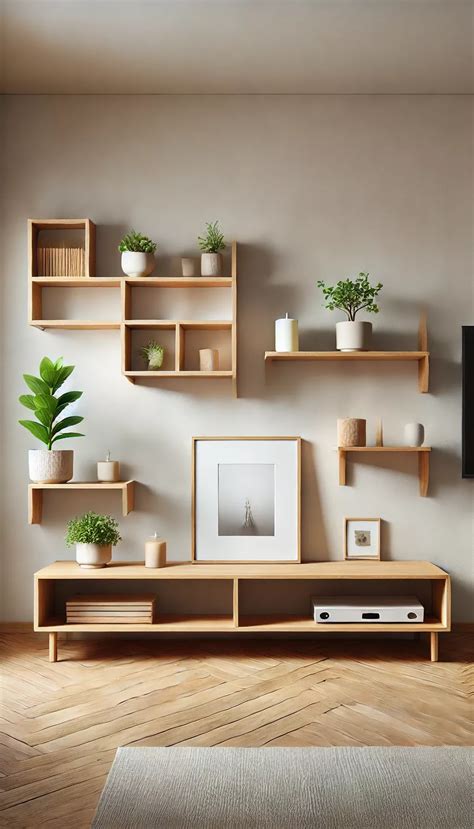
Floor space is a finite resource in most modern apartments, but walls often remain underutilized. Instead of crowding your living room with bulky bookshelves and media consoles, take your storage vertically using modular wall shelves or floating ledges.
For renters who want to avoid extensive drywall repairs, tension-mounted shelving systems or heavy-duty adhesive tracks offer secure storage without permanent anchors. Stack books, plants, and decorative objects upward to draw the eye toward the ceiling, creating an illusion of height while keeping your floor completely clear.
3. Anchor the Layout with Multifunctional Furniture
Every single item in a small living room should ideally work double-duty to earn its footprint. Look for coffee tables with hidden interior storage compartments, nesting tables that can be tucked away when not in use, or storage ottomans that serve as both seating and blanket holders.
Deploying these versatile pieces prevents clutter from accumulating on your surfaces and eliminates the need for redundant furniture items. For instance, a storage ottoman can quickly double as extra seating when hosting friends or act as a footrest during a quiet evening at home.
4. Create the Illusion of Depth with Strategic Mirror Placement
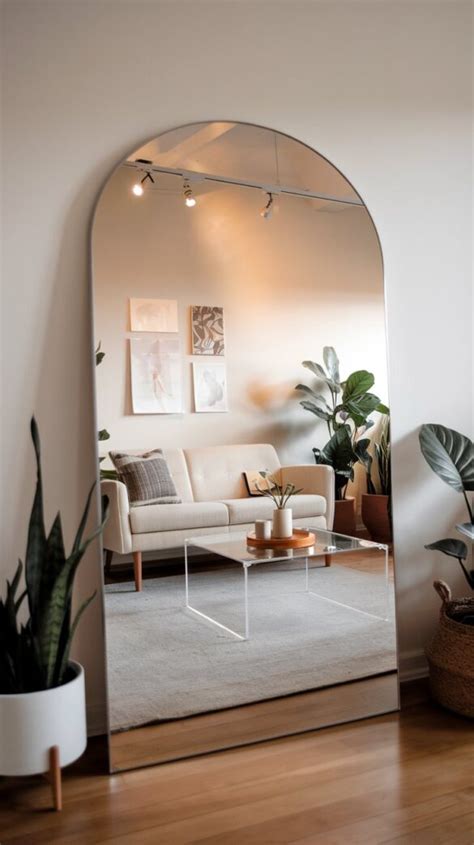
Mirrors are a classic interior design tool for a reason: they bounce natural light around the room and duplicate visual space. Hanging a large, statement floor mirror opposite a window instantly doubles the amount of daylight entering a dim or narrow living room.
If floor standing options take up too much precious walking space, consider a grid of smaller decorative mirrors or a sleek horizontal wall-hung mirror above your sofa. This reflects surrounding textures and colors, effectively adding perceived depth to a tight layout.
5. Define Zones Using Removable Area Rugs
Many contemporary American apartments feature open-concept floor plans where the living room bleeds directly into the entryway or kitchen. Without physical walls, these spaces can easily feel chaotic and undefined.
Layering or placing distinct area rugs helps visually anchor your seating area, establishing a clear boundary for the living room function. Choose a textured, neutral rug that complements your color palette to make the primary seating zone feel intentional, cozy, and separate from neighboring areas.
6. Opt for Transparent or Acrylic Accent Pieces
Visual congestion is one of the biggest challenges in small room design. Transparent acrylic ghost chairs, glass-topped coffee tables, and lucite side tables practically disappear into the background while still providing essential surface area.
By removing the visual barrier of solid wood or heavy metal frames, these clear pieces maintain a continuous flow of light and sightlines. Your living room retains all its functional utility while looking remarkably clutter-free and open.
7. Mount Your Lighting to Free Up Surface Space
Table lamps and floor lamps take up valuable square footage on end tables and corners. Transitioning to wall-mounted swing-arm sconces or plug-in pendant lights clears your surfaces and provides targeted illumination exactly where you need it.
Many renter-friendly wall sconces now feature plug-in cords with sleek cord covers, allowing you to enjoy hardwired aesthetics without dealing with electrical wiring. This lighting strategy also adds architectural interest to plain rental walls.
8. Curate a Cohesive, Light Color Palette
Dark and saturated paint colors can wrap a room in cozy drama, but in a compact apartment, they often shrink the perceived boundaries. Sticking to a light, cohesive color palette of warm whites, soft grays, and muted earth tones reflects natural sunlight and blurs harsh corners.
To prevent a neutral room from feeling sterile, introduce rich textures through woven baskets, linen throw pillows, and natural wood accents. This adds depth and tactile warmth without visual clutter.
9. Embrace Wall-Mounted Media Solutions
Traditional entertainment centers are notoriously bulky and swallow up entire walls in small living rooms. Mounting your television directly to the wall and utilizing a slim, floating media ledge immediately opens up floor space.
Keep component cords organized inside sleek in-wall raceways or paintable cord covers to maintain a clean, polished look. Below the television, keep the space minimal to maintain an airy aesthetic.
10. Utilize Slim Profile Console Tables Behind the Sofa
If your sofa floats in the middle of the room rather than pushing against a wall, standard side tables might not fit comfortably. A narrow console table tucked directly behind the sofa provides a convenient landing pad for lighting, drinks, and books.
This narrow footprint maximizes utility without encroaching on walking paths, giving you the surface area of a traditional side table while preserving the central layout flow.
11. Keep Window Treatments Light and High
Hanging your curtain rods just a few inches above the window frame can make ceilings feel low and windows look stunted. Instead, mount your curtain rods closer to the ceiling line and use lightweight, semi-sheer fabrics that pool gently or brush the floor.
This simple adjustment draws the eye upward, emphasizes vertical height, and allows soft, diffused daylight to flood your apartment living room throughout the day.
12. Edit Accessories to Embrace Intentional Minimalism
In a small space, clutter accumulates faster and looks significantly more chaotic. Regularly editing your decorative objects, picture frames, and throw blankets ensures that every item on display serves a distinct aesthetic purpose.
Adopt a curated approach by grouping items in odd numbers and leaving plenty of breathing room on shelves and tabletops. A clean, edited room feels larger, calmer, and much easier to maintain over time.
Frequently Asked Questions
How can I make a tiny apartment living room feel larger without painting the walls?
If your lease prevents you from painting, you can create an expansive feeling by hanging large mirrors to reflect light, choosing low-profile furniture with exposed legs, and using transparent acrylic accents. Keeping window treatments light and mounting curtain rods near the ceiling also adds incredible vertical height.
What is the best way to arrange furniture in a narrow living room?
For narrow layouts, float your main seating arrangement away from the walls slightly and use slim-profile pieces. Avoid blocking primary pathways and utilize vertical wall storage instead of floor-standing bookcases to maintain a clear walking corridor.
Are there renter-friendly ways to add shelving without damaging drywall?
Yes, many brands offer heavy-duty tension shelving units or adhesive mounting systems that hold substantial weight without requiring screws or drywall anchors. Always check weight limits and test a small hidden area before loading shelves with heavy items like hardback books.


