Planning a family camping excursion requires a careful balance between the call of the great outdoors and the comforting desire for personal space. When heading out to national parks or designated campsites across the United States, traditional two-person domes often fall short of meeting the daily logistical needs of a multi-member household. Upgrading to a spacious shelter changes the entire dynamic of a holiday in nature, ensuring everyone has room to unpack, sleep soundly, and escape sudden afternoon downpours without feeling cramped.
Multi-room layouts have revolutionized car camping by introducing dedicated zones for sleeping, changing, and gear storage. Rather than navigating a chaotic pile of sleeping bags and backpacks, campers can utilize partitioned curtains to create distinct bedrooms and communal living spaces. This thoughtful structural design mimics the functionality of a small home, making it significantly easier to maintain organization and privacy during extended weekend getaways.
Understanding the Anatomy of Multi-Room Tents
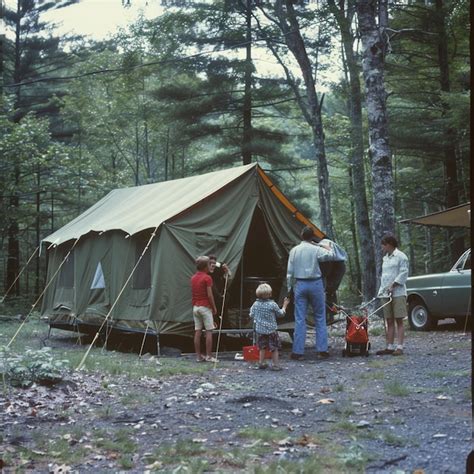
Large family shelters rely on robust cabin-style architectures with near-vertical walls to maximize interior volume. Unlike aerodynamic dome tents designed to shed howling alpine winds, 3-bedroom models prioritize ceiling height and floor area. This means adults can comfortably stand up to change clothes, and families can place cots, air mattresses, and small storage organizers inside without blocking the entryways or tripping over one another.
Dividers within these structures typically consist of hanging fabric walls that zip or toggle into place. While these interior partitions do not offer soundproofing, they provide crucial visual privacy between parents and children or among older siblings. Understanding how these rooms connect to the main vestibule helps buyers select an internal floor plan that aligns with their family’s daily routine, sleep schedules, and gear volume.
Key Features to Evaluate Before Making a Purchase
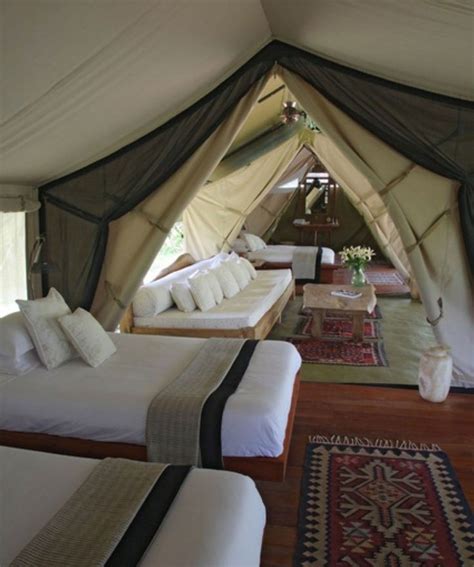
Weather resistance remains a paramount concern when investing in a large textile shelter. Because multi-room cabins feature a higher profile and more surface area exposed to the elements, they require sturdy steel or fiberglass poles and a reliable rainfly that extends close to the ground. Look for models with factory-sealed seams and high hydrostatic head waterproof ratings to ensure heavy rain rolls off effectively rather than soaking through the fabric.
Ventilation is another critical factor that directly influences comfort during warm summer nights. Large tents trap body heat and moisture quickly, leading to condensation on the interior walls. Prioritize options equipped with large mesh ceiling panels, ground vents, and adjustable window awnings. These features promote continuous cross-ventilation, reducing stuffiness while keeping flying insects safely outside where they belong.
Practical Strategies for Setup and Campsite Organization

Erecting a multi-room tent is generally a two-person job due to the sheer size of the canopy and the complexity of the pole framework. Reading through the manufacturer’s instructions at home and practicing a dry run in the backyard can save valuable time and frustration upon arrival at the campsite. Color-coded pole systems and continuous pole sleeves significantly streamline the assembly process, allowing you to establish a secure home base before sunset.
Once the shelter is anchored firmly into the ground, establishing functional zones inside keeps the footprint tidy. Assign specific corners for sleeping gear, place a waterproof mat right inside the main door to catch dirt and debris, and utilize hanging organizers for small essentials like flashlights and sunscreen. Maintaining a clean pathway from the entrance to each bedroom reduces tripping hazards in the dark and ensures a more relaxing outdoor experience for everyone.
Frequently Asked Questions
What are the best 3-bedroom tents for families?
The best 3-bedroom tents combine vertical cabin walls, durable waterproof rainflies, and intuitive color-coded pole systems. Look for models from reputable outdoor brands that provide distinct room dividers and ample peak height for standing comfort.
How hard is it to set up a multi-room tent?
Because of their size and complex frame structures, 3-bedroom tents typically require at least two adults to set up smoothly. While the initial assembly takes longer than a standard dome tent, most modern family models feature color-coded clips and sleeves to simplify the process.
Do 3-bedroom tents hold up well against wind and rain?
Most multi-room tents are engineered primarily for car camping in fair to moderate weather conditions. Their high profiles mean they catch more wind, so proper guylaying and staking are essential during storms. Always choose tents with full-coverage rainflies and sealed seams for reliable rain protection.
How much space do you actually need for a family camping trip?
A good rule of thumb is to add at least one person’s worth of extra capacity beyond your actual headcount, especially if you plan to use bulky air mattresses, cots, or store gear inside the tent. A 3-bedroom configuration is ideal for families wanting distinct privacy zones without feeling crowded.


