Creating a living room that successfully marries timeless architecture with modern styling requires a careful balance of proportion, texture, and restraint. Whether you are updating a traditional suburban colonial or furnishing an open-concept urban loft, the goal is to curate a space that feels deeply personal yet anchored in enduring design principles. Rather than chasing fleeting internet trends, homeowners achieve lasting appeal by layering classic foundational pieces with sleek, contemporary accents that withstand changing stylistic cycles.
Achieving this harmonious blend begins with understanding how architectural constraints and everyday functionality intersect in modern American households. By utilizing a cohesive color story, mixing materials intentionally, and selecting versatile anchor furniture, you can craft a living environment that is visually serene, highly functional, and completely immune to the dating effect of single-season aesthetics.
Foundational Elements of Timeless-Modern Design
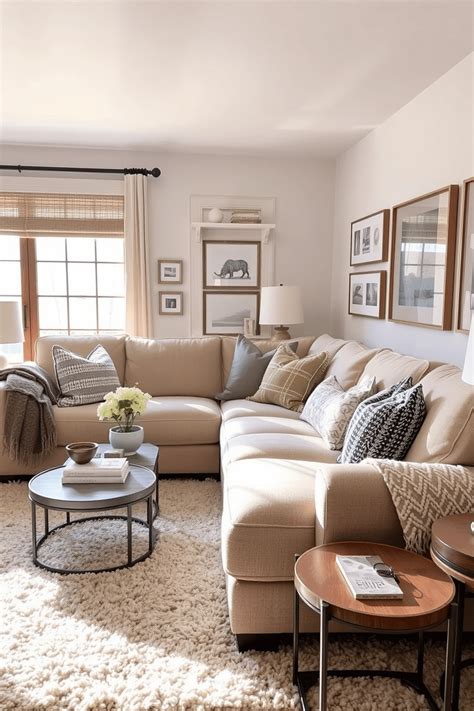
The secret to a successful transitional living room lies in establishing a neutral backdrop that allows both vintage character and modern minimalism to shine. Start with walls painted in warm off-whites, soft greige, or muted taupe, which instantly brighten typical U.S. floor plans and reflect natural sunlight effectively throughout the day. Ground the space with classic architectural details such as subtle crown molding or straightforward baseboards, even in newer construction homes where such character is often absent by default.
Furniture selection requires a commitment to silhouettes that feel neither overly ornate nor starkly industrial. Pair a clean-lined track-arm sofa with a vintage wooden coffee table featuring visible grain and history. This juxtaposition prevents the room from feeling sterile while keeping the visual weight balanced across the entire floor plan. Remember that comfort remains paramount; American living rooms are spaces for gathering, relaxing, and daily living, so durability and tactile warmth must never be sacrificed for pure aesthetic minimalism.
Strategic Color Palettes and Material Layering
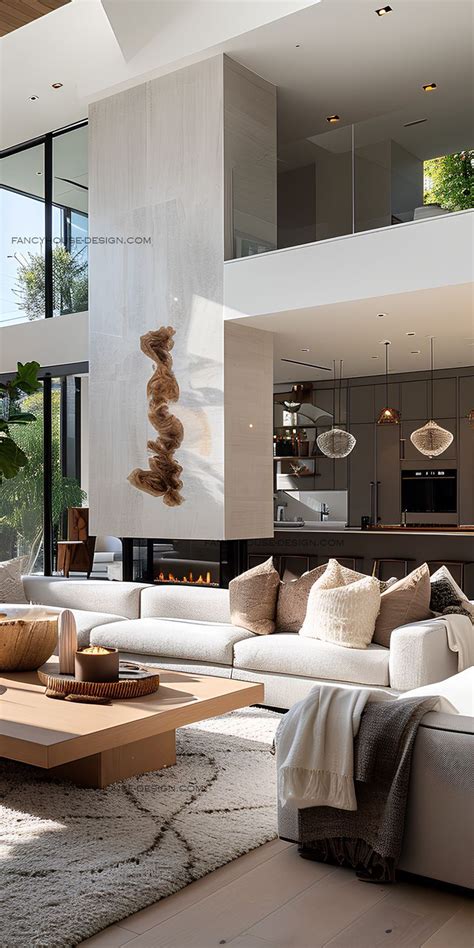
Applying the classic 60-30-10 color rule ensures that a mixed-era living room feels unified rather than chaotic. Dedicate sixty percent of the room to a dominant neutral tone—such as soft cream or warm linen—found on large surfaces like walls and large area rugs. Allocate thirty percent to secondary tones found in upholstery, window treatments, and wooden case goods. Reserve the remaining ten percent for intentional accent colors introduced through throw pillows, ceramic decor, or striking artwork.
Material layering is what truly elevates a neutral color palette from flat to sophisticated. Combine smooth matte black iron hardware with organic jute rugs, brushed brass floor lamps, and plush bouclé or velvet upholstery. This tactile variety introduces depth and richness that catches natural light differently as the sun moves across your windows. By mixing hard and soft surfaces, you create a dynamic, multi-dimensional room that invites touch and offers a profound sense of everyday luxury.
Layout Solutions for Modern American Floor Plans
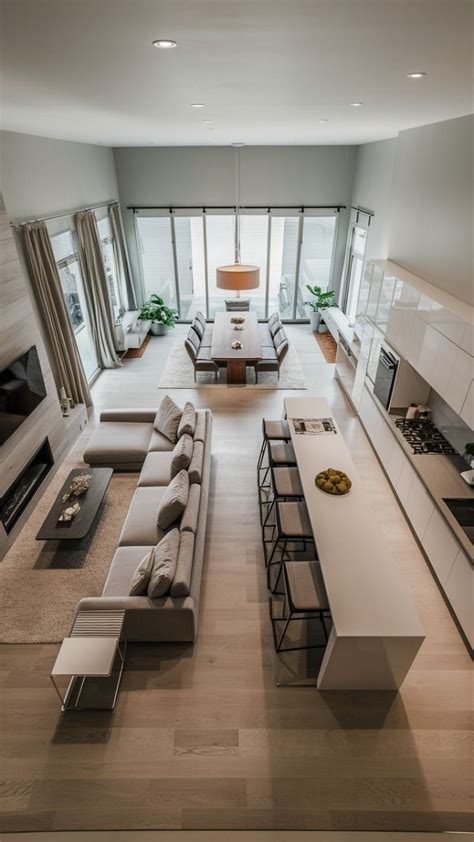
Many contemporary U.S. homes feature open-concept layouts that combine the living room, dining space, and kitchen into one sprawling zone. To create a distinct, intimate seating area within a vast open space, use oversized wool rugs to anchor the main furniture grouping. Float your sofa away from the walls rather than pushing it against the perimeter, which fosters better conversational flow and makes the overall square footage feel intentional and well-planned.
For smaller suburban or apartment living rooms, focus on multi-functional furniture pieces that maximize utility without cluttering the visual field. Opt for modular sectionals with hidden storage, nesting coffee tables that can be separated when entertaining, or sleek media consoles with slatted doors that conceal electronics while adding architectural interest. Thoughtful space planning ensures that your living room accommodates family movie nights, quiet reading sessions, and weekend gatherings with equal grace and style.
Frequently Asked Questions
How do I make a living room look both modern and timeless?
To achieve a timeless-modern look, invest in classic foundational furniture silhouettes with clean lines, neutral wall colors, and durable natural materials. Avoid relying heavily on micro-trends and instead mix vintage or traditional accent pieces with contemporary lighting and minimalist decor.
What color schemes work best for a transitional living room style?
Warm neutrals like soft greige, creamy whites, and muted taupes serve as the ideal base. You can layer in secondary tones using wood finishes and textiles, then use the 60-30-10 rule to introduce restrained accent colors through accessories and artwork.
How can I mix old and new decor without making the space feel cluttered?
Maintain breathing room by keeping surfaces uncluttered and anchoring the room with a dominant neutral palette. When pairing antique items with modern fixtures, ensure there is a common thread—such as a shared material, similar wood tone, or matching metal finish—to tie the look together cohesively.


