Selecting a new seating arrangement for your primary gathering space involves much more than picking a color that matches your walls. Sofa living room sets serve as the functional anchor of the home, hosting movie nights, casual conversations, and quiet weekend reading sessions. When evaluating these multi-piece investments, homeowners must balance visual coherence with daily practical demands. Understanding how different configurations, fabric types, and internal frameworks perform over time ensures your living room remains both inviting and resilient against everyday wear and tear.
Evaluating Room Layouts and Set Configurations
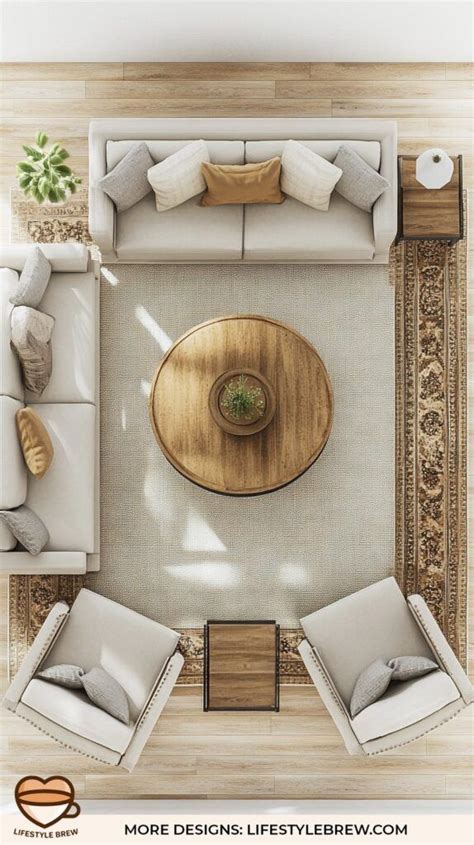
Before browsing specific furniture styles, it is essential to analyze the physical dimensions and traffic patterns of your living space. Typical American homes feature diverse layouts ranging from traditional walled-off parlors to sprawling open-concept great rooms. A standard three-piece living room set usually includes a full-size sofa, a matching loveseat, and an accent chair or ottoman. This traditional configuration works exceptionally well in formal living rooms with ample square footage, allowing for balanced seating arrangements around a central focal point like a fireplace or television console.
In contrast, open-concept floor plans require careful space planning to avoid visual clutter and obstructed walkways. Pairing a large sofa with a modular sectional or a single coordinating lounge chair can define conversation zones without wall partitions. When mapping your room, always measure the distance between furniture pieces to ensure at least thirty inches of clear walking space. Using painter’s tape on the hardwood or carpeted floor to outline the exact footprint of each prospective piece helps prevent costly sizing mistakes before delivery day arrives.
Choosing Upholstery Materials for Real-Life Durability
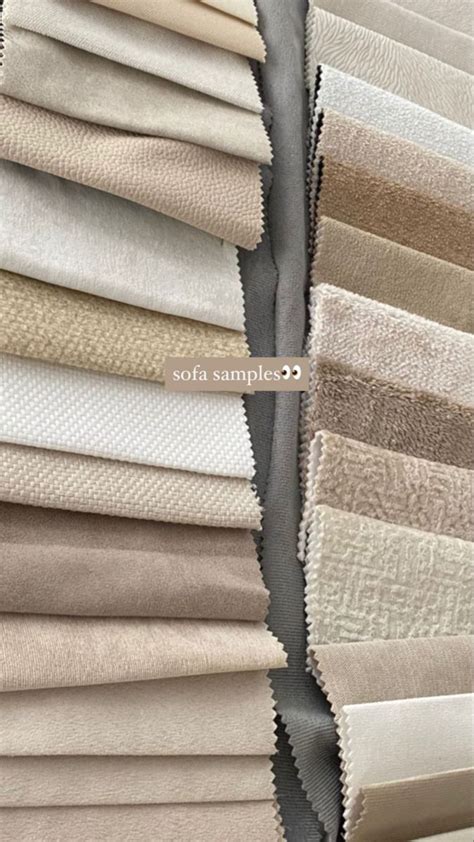
The fabric or material covering your living room set dictates both its aesthetic personality and its maintenance requirements. Households with active children, dogs, or cats benefit immensely from advanced performance fabrics such as solution-dyed acrylics, Crypton, or heavy-duty microfiber. These textiles are engineered to resist liquid absorption, making accidental spills much easier to blot away before stains permanently set into the weave. Tightly woven fabrics also resist snagging from pet claws far better than loose weaves like chenille or delicate raw silks.
Natural leather remains a timeless choice prized for its sophisticated aging process and simple wipe-clean maintenance. Top-grain and full-grain leathers develop a rich patina over the years, though they require periodic conditioning to prevent cracking in dry indoor climates. Velvet offers a luxurious, tactile alternative that catches ambient light beautifully, though modern polyester-blend velvets are significantly more durable and crush-resistant than traditional cotton versions. Always request fabric swatches from the manufacturer to test how the color shifts under your home’s specific lighting conditions.
Understanding Internal Construction and Comfort Metrics
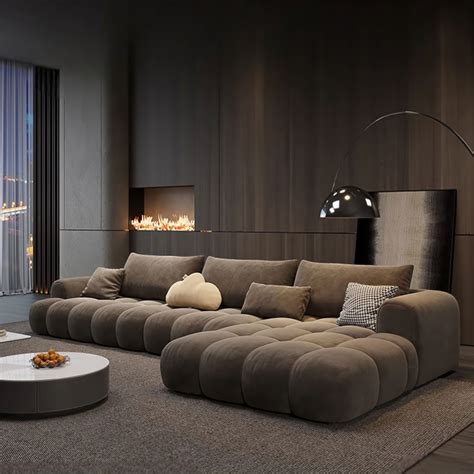
Visual appeal draws you to a specific living room set, but internal construction determines how long that comfort lasts. High-end sofas feature kiln-dried hardwood frames joined with reinforced corner blocks, dowels, and heavy-duty staples or screws. Avoid frames constructed from particle board or unseasoned softwoods, which tend to warp or wobble under heavy weight after only a few years of regular use. The suspension system beneath the cushions is equally critical; eight-way hand-tied springs or sinuous steel no-sag coils provide optimal support and prevent the dreaded sinking feeling in the center of the couch.
Cushion fill dictates the sit-feel of your sofa sets, ranging from ultra-plush down blends to dense high-resiliency polyurethane foam. While feather-and-down cushions offer a luxurious, sink-in lounging experience, they require regular fluffing to maintain their tailored appearance. High-resiliency foam wrapped in polyester fiber offers a supportive, medium-firm sit that bounces back into shape naturally after use. Checking the density ratings of the foam core helps predict longevity; higher density ratings generally indicate greater resilience against permanent indentation.
Matching Sets Versus Curated Collections
A classic dilemma when furnishing a room is deciding whether to purchase a complete matching set or assemble a curated collection of individual pieces. Matching sets offer effortless visual harmony, ensuring that wood finishes, leg styles, and fabric tones coordinate seamlessly right out of the box. This approach saves considerable time and eliminates guesswork for homeowners who prefer a cohesive, traditional design aesthetic without the stress of coordinating disparate elements.
On the other hand, curated or mixed-and-matched arrangements infuse the space with collected character and personal style. You might pair a neutral upholstered sofa with leather armchairs and a contrasting wooden coffee table to create visual depth and modern eclectic appeal. If you choose to mix pieces, anchor the design by keeping at least one element consistent, such as matching wood tones for exposed legs or repeating a specific accent color through throw pillows and rugs.
Frequently Asked Questions
How do I choose the right size sofa living room set for my space?
Begin by measuring the total usable wall space and mapping out primary traffic routes. Ensure there is at least thirty inches of clearance around the furniture. Use painter’s tape on the floor to outline the exact dimensions of the sofa and chairs to visualize scale before purchasing.
What are the best upholstery materials for homes with kids and pets?
Performance fabrics like solution-dyed acrylics and Crypton are exceptional because they repel liquids and resist stains. Top-grain leather is also a great choice since it wipes clean easily and does not trap pet hair as deeply as woven textiles.
Should I buy a matching living room set or piece it together?
Buying a matching set provides instant design cohesion and takes the guesswork out of coordinating colors and wood finishes. Curated, mixed-and-matched collections offer a more personalized, eclectic look but require a careful eye for balance in scale and texture.
What configurations work best for open-concept U.S. homes?
In open-concept layouts, arrangements that float away from the walls work best. Combining a sofa with a matching loveseat or accent chairs arranged in an open L-shape or conversational circle helps define living zones without blocking sightlines.
How can I evaluate sofa comfort and durability online?
Look past the surface styling and examine the technical specifications provided by the manufacturer. Check for kiln-dried hardwood frames, sinuous coil or eight-way hand-tied suspension, and high-resiliency foam cushion cores. Reading detailed customer reviews that mention long-term wear can also provide reliable insight.


