Designing a living room that feels both functional and welcoming can sometimes feel like a puzzle. Across many typical American homes—from suburban open-concept layouts to compact urban apartments—certain design missteps happen repeatedly. These errors are rarely about a lack of good taste; rather, they stem from architectural quirks, standard furniture sizing, or simply not knowing professional rules of thumb. Recognizing these common pitfalls is the first step toward transforming your main gathering space into a harmonious retreat.
Fortunately, updating your space does not require a massive renovation budget or professional interior design fees. Simple adjustments to how your furniture is arranged, how your lighting operates, and where you position foundational pieces like rugs and artwork can make a dramatic difference. By understanding the underlying mechanics of room flow and scale, you can easily turn a frustrating space into a comfortable, balanced room that genuinely works for your daily routine.
Furniture Pushed Entirely Against the Walls
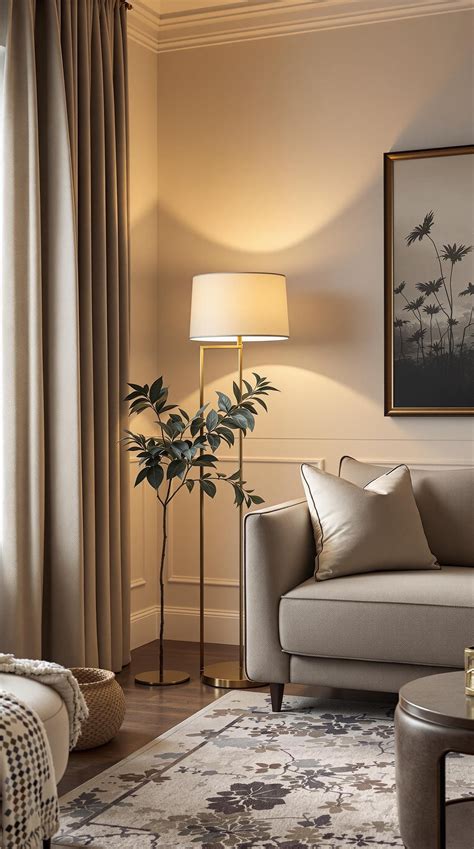
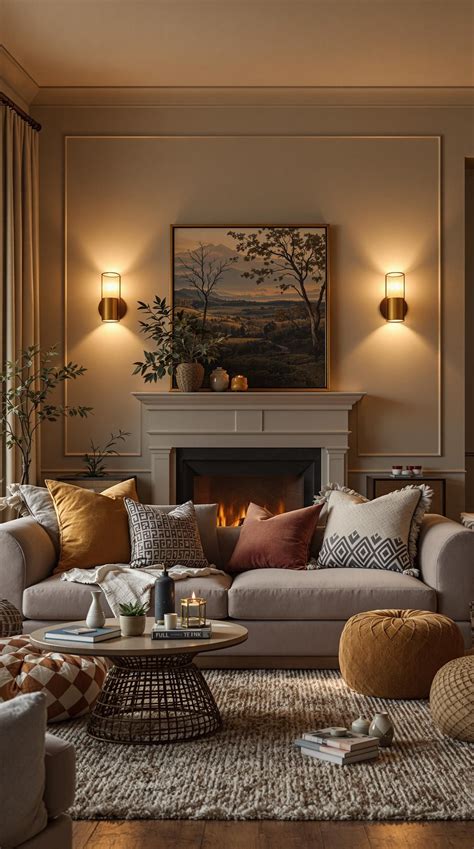
One of the most widespread layout habits in American living rooms is pushing every single piece of furniture directly against the perimeter walls. Homeowners and renters often do this in an attempt to maximize open floor space, but it frequently backfires. Instead of making the room feel larger, a perimeter-only layout creates a cavernous, empty dead zone in the center and makes conversation awkward because family members are seated too far apart.
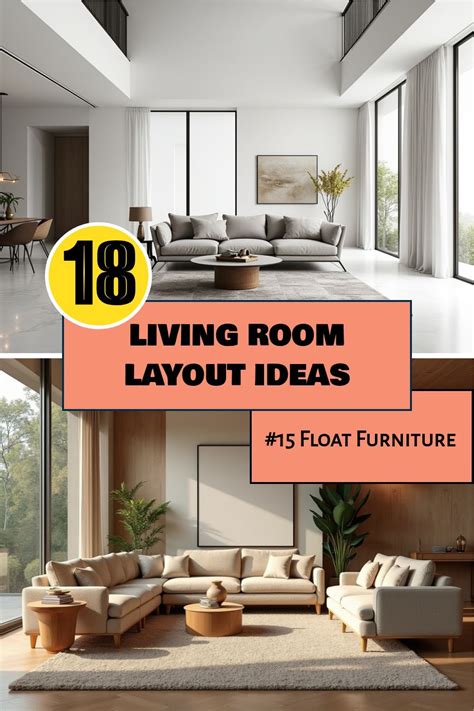
The straightforward fix is to float your furniture arrangement away from the walls, even if it is just by a few inches. Pulling your sofa and armchairs inward creates an intimate conversation area and establishes clear, natural walking paths around the seating group. In smaller rooms, you only need to ensure the front legs of your upholstery rest on the main area rug to anchor the arrangement, instantly giving the space a custom, designer-curated feel.
Choosing an Area Rug That Is Too Small
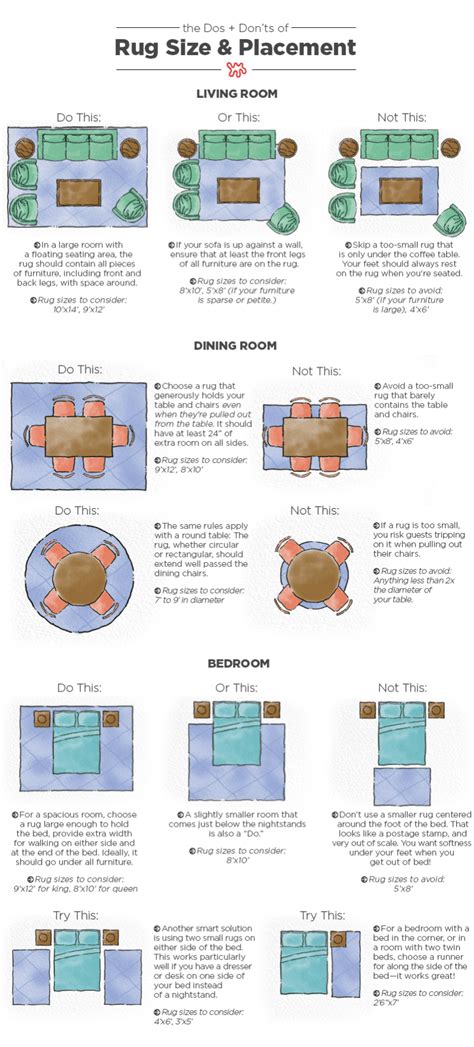
Another frequent design oversight involves area rugs that are significantly undersized for the room. A postage-stamp-sized rug floating in the middle of a large living room floor makes the entire space feel disjointed and shrinks the perceived dimensions of the room. When furniture sits completely outside the rug boundary, the rug looks like an isolated after-thought rather than a foundational design element.
To correct this, aim to use a rug large enough so that at least the front legs of all major seating pieces rest comfortably on its surface. For spacious open-concept living rooms, a rug that accommodates all four legs of your sofa and chairs creates a luxurious, cohesive zone. If you already own an undersized rug you love, try layering it over a larger, neutral natural-fiber jute or sisal rug to immediately increase visual scale and texture without breaking your budget.
Overlooking Multi-Layered Lighting
Many living rooms rely solely on a single, glaring overhead ceiling light or a harsh flush-mount fixture. While functional for cleaning day, blazing overhead lights rarely create a relaxing atmosphere. Relying on one light source flattens the room’s dimensions and can make an otherwise cozy space feel stark, sterile, or uninviting during evening hours.
Successful interior lighting requires a balanced mix of ambient, task, and accent lighting distributed at various heights throughout the room. Combine overhead dimmable fixtures with table lamps on side tables, floor lamps arching over reading corners, and perhaps picture lights or accent sconces. This multi-layered approach lets you easily alter the mood of the room, highlight architectural features, and cast warm, flattering illumination at eye level.
Frequently Asked Questions
What are the most common living room design mistakes?
The most common errors include pushing all furniture against the walls, using an area rug that is too small, relying entirely on harsh overhead lighting, hanging wall art too high, and accumulating surface clutter without functional storage.
How do I choose the right size rug for my living room?
As a general rule, your area rug should be large enough so that the front legs of your main seating furniture rest on it. In larger rooms, a rug that fits all four legs of your sofa and chairs provides the most balanced and upscale look.
What is the correct height to hang wall art?
Wall art should generally be hung so that the center of the piece aligns with eye level, which is roughly 57 to 60 inches from the finished floor. If you are hanging art above a sofa, keep the bottom edge of the frame about 6 to 8 inches above the back of the couch.
How can I fix a living room that feels cramped or unbalanced?
To fix a cramped feeling, float your furniture away from the walls to improve traffic flow, remove oversized or redundant accent furniture, and swap heavy drapery for light-filtering window treatments that maximize natural sunlight.


