Designing a living room that balances visual appeal with everyday functionality can feel challenging, especially given the diverse architectural layouts found across American residences. Whether you are refreshing a compact rental apartment in a bustling city or rethinking a spacious suburban family room, finding the right design direction makes all the difference. True transformation relies on intentional choices regarding layout, lighting, color harmony, and texture rather than simply purchasing trendy furniture pieces.
Approaching your living room refresh with a clear framework helps you avoid common pitfalls like overcrowding or mismatched styles. By breaking down your space according to its primary function and natural architectural features, you can establish a cohesive foundation that accommodates both relaxing evenings and lively weekend gatherings.
Maximizing Compact U.S. Apartments and Small Layouts
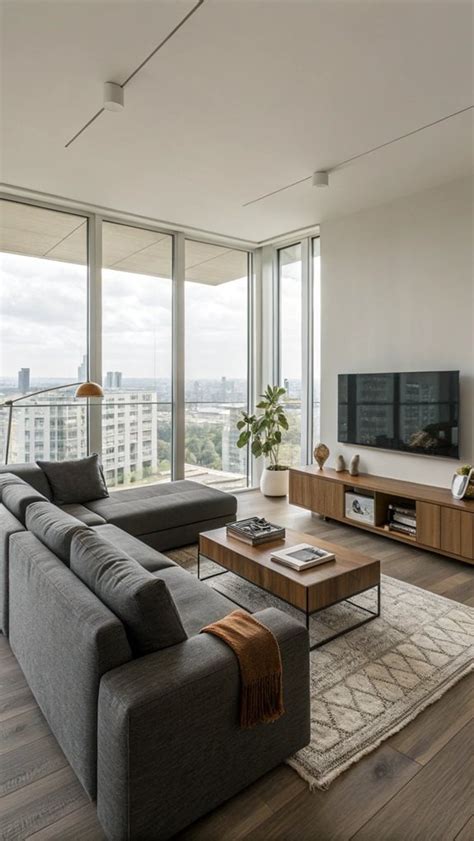
Small living spaces require strategic planning to avoid feeling cramped or visually cluttered. Start by floating your furniture slightly away from the walls rather than pushing every piece against the perimeter, which often creates an uninviting dead zone in the center of the room. Multi-functional items, such as storage ottomans or nesting coffee tables, provide essential utility without overwhelming your precious square footage.
Vertical space remains one of the most underutilized assets in compact American homes. Installing floor-to-ceiling shelving draws the eye upward, creating an illusion of height while offering practical display areas for books and personal mementos. Pairing these vertical elements with large mirrors strategically placed opposite light sources instantly brightens dark corners and expands the perceived dimensions of the room.
Embracing Modern Minimalist and Warm Scandi Trends
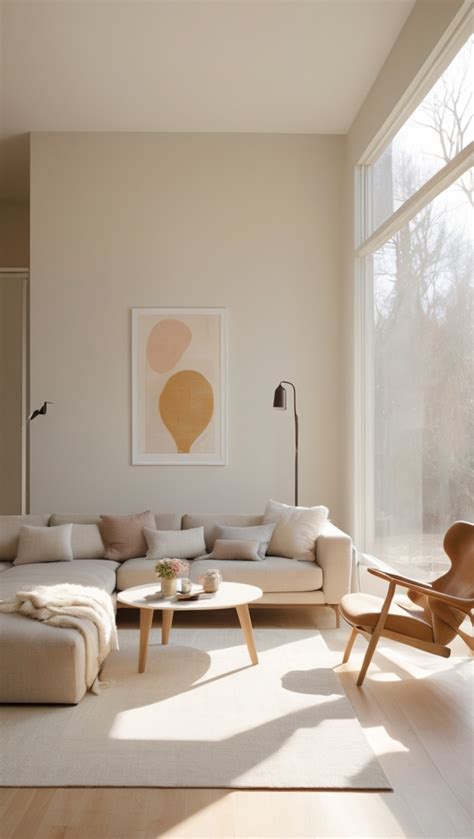
The modern minimalist aesthetic continues to evolve, shifting away from cold, sterile environments toward warmer, more tactile interpretations often referred to as warm Scandi or organic modernism. This design direction focuses on clean architectural lines paired with natural materials like white oak, travertine, and unlacquered brass. The goal is to curate a serene atmosphere where every decorative object serves a distinct purpose.
To successfully integrate this style into your home, prioritize quality over quantity. Choose a foundational sofa in a neutral performance fabric, then layer in warmth through textured wool rugs, linen throw pillows, and matte ceramic accessories. Avoiding excessive ornamentation allows your living room to breathe, establishing a peaceful retreat that is exceptionally easy to maintain and clean over time.
Balancing Bold Color Palettes and Accent Walls
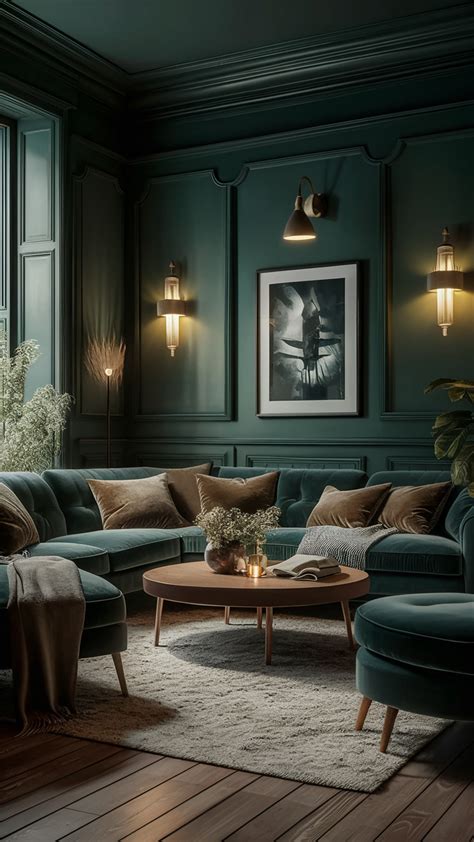
While neutral backdrops remain a perennial favorite for their versatility, incorporating rich, saturated color can completely redefine the mood of your living room. Deep terracotta, moody forest greens, and sophisticated navy blues create an intimate, grounding atmosphere that works particularly well in spaces with abundant natural light. If painting an entire room feels too daunting, a carefully chosen accent wall behind the media console or fireplace can introduce drama without overwhelming the senses.
When experimenting with bold hues, balance is crucial to ensure the room remains harmonious. Anchor dark walls with lighter upholstery, warm wood tones, and metallic accents that reflect light. Coordinating your wall color with subtle undertones in your artwork and decorative textiles ties the entire room together, resulting in a professionally styled interior that feels intentional and deeply personal.
Frequently Asked Questions
How can I decorate a small living room to make it look bigger?
To make a small living room feel larger, utilize multi-functional furniture, mount your television to save floor space, and hang curtains higher than the window frame to elongate the walls. Additionally, incorporating transparent acrylic furniture and large mirrors helps bounce natural light around the room, creating an open and airy atmosphere.
What are the top living room decor trends in the U.S.?
Current popular trends favor organic modernism, warm neutral palettes, fluted wood wall panels, and sustainable materials. Homeowners and renters alike are moving away from stark minimalism and embracing textured fabrics, vintage accessories, and earthy tones that foster comfort and well-being.
How do I choose the right color palette for my living room?
Start by evaluating the room’s natural light exposure. North-facing rooms often benefit from warmer whites and soft yellows to counter cool shadows, while south-facing spaces can handle cooler grays and rich blues. Pick a dominant neutral, a secondary supporting tone, and a bold accent color to maintain visual balance.
How can I mix different furniture styles without cluttering the room?
Mixing styles, such as pairing a mid-century modern armchair with a contemporary sofa, works best when you maintain a common thread like wood finish, metal hardware, or color family. Allow enough breathing room between disparate pieces so each item can stand out without competing for visual dominance.


