Embarking on a living room renovation requires careful financial planning, especially as building materials, contractor rates, and home furnishings continue to shift. For homeowners and renters across the United States looking ahead to their upcoming improvement projects, understanding the financial landscape is essential. Projected U.S. figures for 2026 indicate that a standard living room remodel can span a broad financial spectrum, depending entirely on whether you are planning a simple cosmetic refresh or a complete architectural overhaul.
Because regional labor rates and supply chain pressures vary significantly from coast to coast, setting a realistic budget requires looking at historical inflation patterns and current trade pricing. This guide breaks down anticipated expenses across different project tiers, examines the balance between material and labor costs, and highlights critical contingency planning strategies so you can execute your living room project with total confidence.
Projected Average Cost Range for a Living Room Remodel

When estimating the total financial investment for a living room transformation, most U.S. projects fall between $5,000 and $25,000, while high-end custom overhauls can easily surpass $40,000. These 2026 projections reflect steady adjustments in construction and interior design sectors, balancing out post-pandemic supply chain volatility with stabilized manufacturing costs. The wide range stems from the sheer variety of what a living room project can entail—ranging from DIY paint and new textiles to structural wall removal and custom built-ins.
Understanding where your specific vision fits within these financial boundaries helps prevent scope creep and financial strain. Homeowners are advised to categorize their aspirations early in the planning phase, separating essential structural repairs from purely decorative choices. By establishing this baseline, you can approach general contractors with clear parameters and secure more accurate, competitive bids for your home.
Cost Breakdown by Project Scope
To better visualize your financial commitment, it helps to examine how different tiers of remodeling allocate funds across typical domestic spaces:
- Cosmetic Updates ($1,500 – $5,000): Focuses on surface-level improvements such as fresh wall paint, new light fixtures, accent pillows, curtains, and minor furniture replacements.
- Mid-Range Renovations ($5,000 – $20,000): Incorporates professional flooring installation, updated electrical outlets, new quality upholstery, custom window treatments, and architectural wall paneling.
- High-End / Luxury Overhauls ($20,000 – $45,000+): Involves structural alterations like removing load-bearing walls, installing custom built-in cabinetry, upgrading HVAC vents, smart home integration, and premium hardwood or stone surfaces.
Material Versus Labor Expenses in the United States
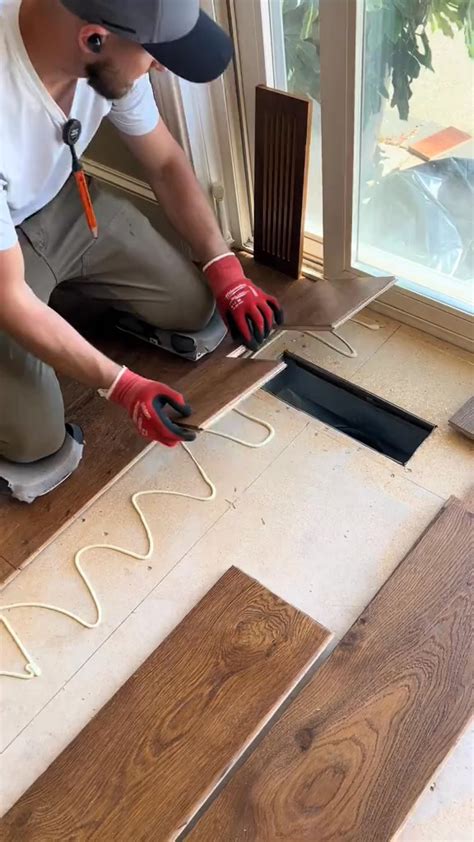
A major component of any residential renovation budget involves balancing the cost of physical goods with professional service fees. Across the U.S. remodeling market, labor typically accounts for roughly 40 to 60 percent of the total project budget, particularly for skilled trades like carpentry, electrical work, and flooring installation. When specialty craftspeople are required to custom-build mantels, entertainment centers, or coffered ceilings, labor fees scale upward accordingly.
Materials make up the remaining balance, and their pricing can fluctuate based on global trade tariffs, raw timber availability, and freight charges. Selecting mid-tier materials often provides the sweet spot for durability and aesthetic appeal without triggering premium import surcharges. Homeowners should always request itemized quotes from contractors to clearly distinguish between what they are paying for physical products versus the specialized labor required to install them.
Hidden Costs and Contingency Planning
Experienced home improvement specialists always recommend setting aside a 15 to 20 percent contingency fund to cover unexpected surprises behind walls or beneath flooring. During a living room remodel, contractors may uncover outdated knob-and-tube wiring, structural sagging, or hidden water damage once drywall or old carpet is removed. Addressing these infrastructural issues is non-negotiable for home safety and long-term asset value, making a financial buffer mandatory rather than optional.
Other overlooked expenses include temporary storage rental if furniture must be moved off-site, debris disposal fees, and local municipal permit costs if electrical or structural changes are performed. Renters undertaking minor cosmetic upgrades must similarly account for security deposit implications, potential patching fees upon move-out, and the cost of renter-safe adhesive hardware that won’t permanently damage landlord property.
Maximizing Your Return on Investment (ROI)
While living rooms are primarily designed for personal comfort, relaxation, and family gatherings, strategic improvements can positively influence a home’s overall market resale value. Upgrades that offer strong financial returns include installing timeless hardwood flooring, improving natural lighting through upgraded windows, and enhancing energy efficiency with modern LED recessed lighting and smart thermostats. Overly eccentric or hyper-personalized stylistic choices, conversely, tend to offer lower resale recovery because future buyers may budget to replace them.
Homeowners planning to sell within a few years should focus their capital on neutral color palettes, durable surfaces, and flexible layouts that appeal to a wide demographic of prospective buyers. Renters, on the other hand, achieve their return on investment through immediate daily quality of life, using modular furniture, peel-and-stick accents, and statement lighting that can easily travel with them to their next home.
Frequently Asked Questions
How much does a living room remodel cost on average in 2026?
In 2026, a standard living room remodel in the United States typically ranges from $5,000 to $25,000. Minor cosmetic updates can cost under $2,000, whereas high-end architectural overhauls can exceed $40,000.
What is the difference in cost between minor updates and a gut renovation?
Minor updates involve superficial changes like paint, decor, and lighting fixtures, usually costing between $1,500 and $5,000. A gut renovation includes structural changes, custom cabinetry, and new flooring, often starting around $20,000.
How much should I budget for labor versus materials?
Labor generally constitutes 40% to 60% of a professional remodeling budget in the U.S., while materials and furnishings make up the remaining balance depending on the project scope.
What unexpected expenses should I prepare for during a living room remodel?
Homeowners should budget for a 15% to 20% contingency fund to cover hidden electrical issues, structural repairs, permit fees, debris removal, and potential furniture storage costs.
Can renters undertake low-cost living room updates, and how much do these cost?
Yes, renters frequently refresh living spaces using temporary peel-and-stick wallpaper, rugs, lighting, and modular furniture, usually spending between $300 and $1,200.


